
I had wanted to run, but I settled for a walk. My sneakers were buried in a box in the back of a truck, and I was wearing only flip flops.
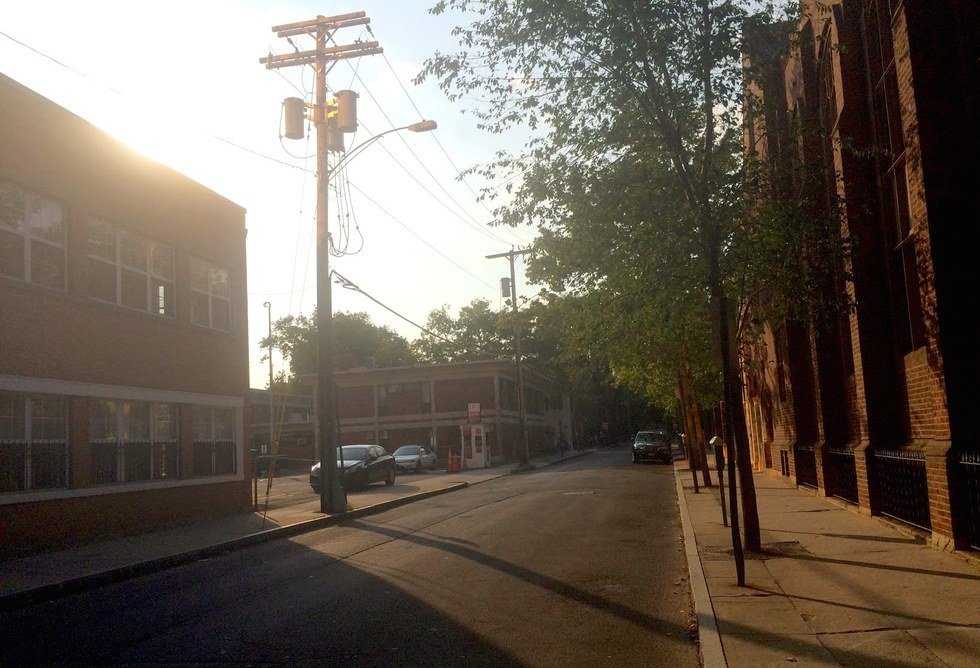
The light of the midafternoon sun was coming down when I turned up Wall Street. The sidewalks were almost golden and untouched except by the shadow of one white car. The engine was idle. I saw no movement and I could only hear my breath coming and going with the pace of my steps. I didn’t notice the person who spoke.
“Ching chong,” he said. He added another word. He repeated the sounds twice, three times, like a bell striking the hour. It was a young voice. My breath almost caught, but my steps kept falling.
The heat rose up in my chest. I felt the tightening of my shoulders and the knitting of my brows, and I stared down the road with too fixed a glance. My mind was the only thing running. It started with a recoil: the self-conscious horror of having black hair and brown eyes, the instinctive pain of being judged for these features by an outside viewer — by a boy in a hushed white car.
One of my first impulses was to turn around and make a dent. I wanted to curse and confine him to the limits of his own body, and I wanted to make him feel hurt and ignorant and ashamed for the syllables he had dared to pronounce. But I didn’t.
I didn’t want him to revel in the indignant spectacle I would’ve become, or to view my enraged display as any indication of his power. I didn’t want to excuse his treating people like faceless bodies when I treated him the same way. I saw him — or rather didn’t see him — as a young boy calling out from the backseat of a car that wasn’t going anywhere.
I kept walking but should have turned around. Not to demean the boy or make him feel like a twelve year-old child. Not to prove the advantages of an education he likely wouldn’t ever receive although he lived within walking distance of a great university. I should have turned around, without condescension or ill will, to acknowledge the presence and possibilities of his life.
Instead, I viewed his indecent words as an intrusion into my private world. They didn't upset me so much as mildly irritate me, coming from a boy who didn’t know any better; he would never be a threat to me. Walking away was my way of giving him the cold shoulder of indifference. I didn’t offer him any attention despite my intuition that his jeers were a cry from a stuck place, a yearning to be noticed. When I walked back to the rainbow carpet of my newly-furnished dorm room, I didn’t really care about his idling alone in a car on a Thursday afternoon. Most people, I believe, would rather run away from morally unsettling situations.
But I didn’t have my sneakers that day, so I could only walk. My steps were even and slow and my breath and thoughts became slow as well. I thought, if people call out to us from a parkeXd car on a summer afternoon, the least we can do is care. Even if their words are mean, even if all we want to do is run.