
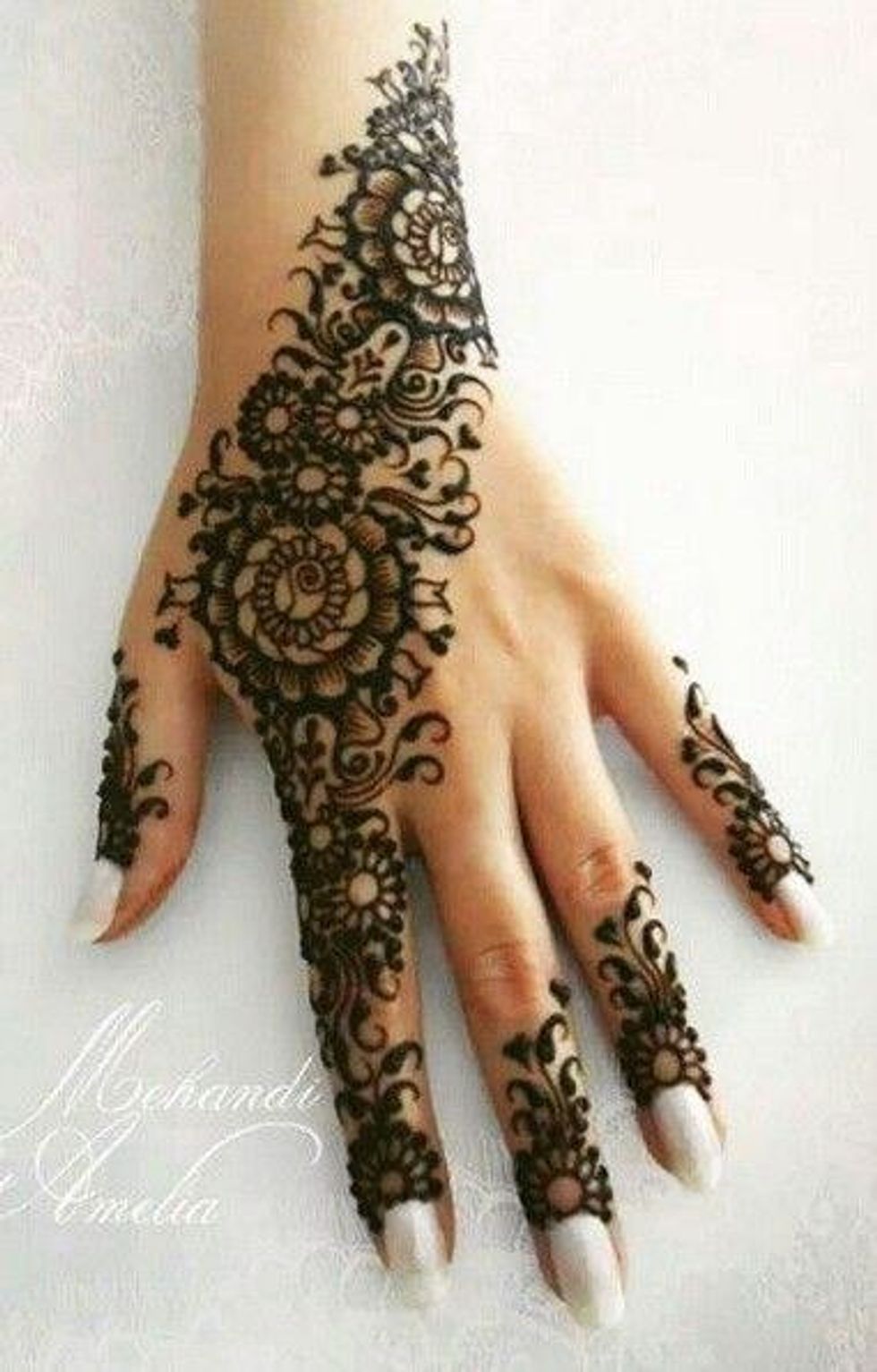
Inevitably, after every Eid or a wedding, my elementary school classmates will point at the dark brown/orange designs on my hands and ask, "What's that?" At the time, I didn't know the English word, "henna," so I'd tell them it was mehndi or khena. However, by the time high school rolled around, henna gained popularity. People would get henna tattoos at theme parks and school events, but I never thought twice about it. At least, not until a few months ago when a white friend of mine said, "I've asked a lot of people of Middle Eastern descent how they feel about it with a wide range of answers, but what about you? How do you feel about white people wearing henna?"
The question took me by surprise because, as I said before, I'd never really thought about it. I wasn't even aware of the concept of cultural appropriation until I entered college. I told my friend my honest answer: No. No, it does not bother me when white people wear henna. Growing up, henna was always a part of happy occasions -- Eid, weddings, etc -- and when non-Middle Eastern/non-Desi people wear henna tattoos at festivals and amusement parks, they use them for occasions of joy too. Of course, when I use henna, it does have a cultural significance for me, but that doesn't mean that people in my culture don't use it for aesthetic purposes either.
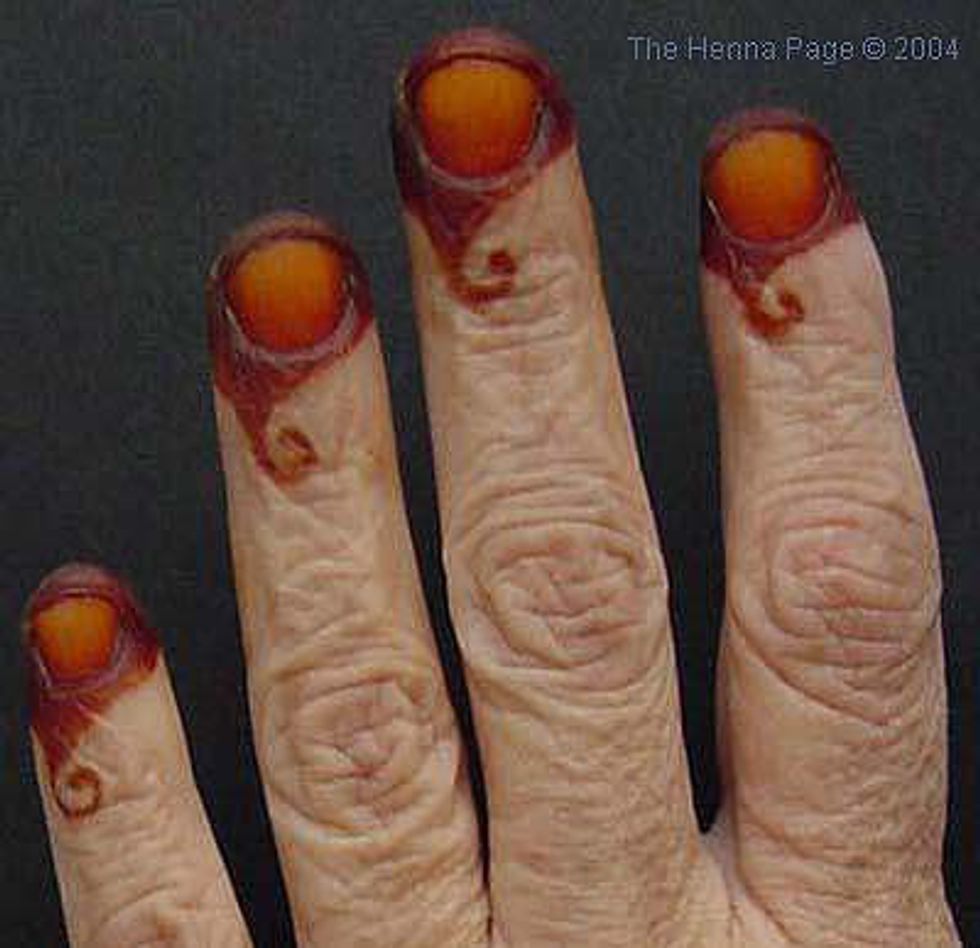
For example, henna is one of my grandmother's favorite beauty products. She uses it as hair dye and an alternative to nail polish (nail polish coats the nail which prevents proper wudu, which is essential for prayer. However, since henna only stains the nail, it's a great alternative). So people from other non-Desi cultures using it for aesthetic purposes doesn't bother me that much, either.
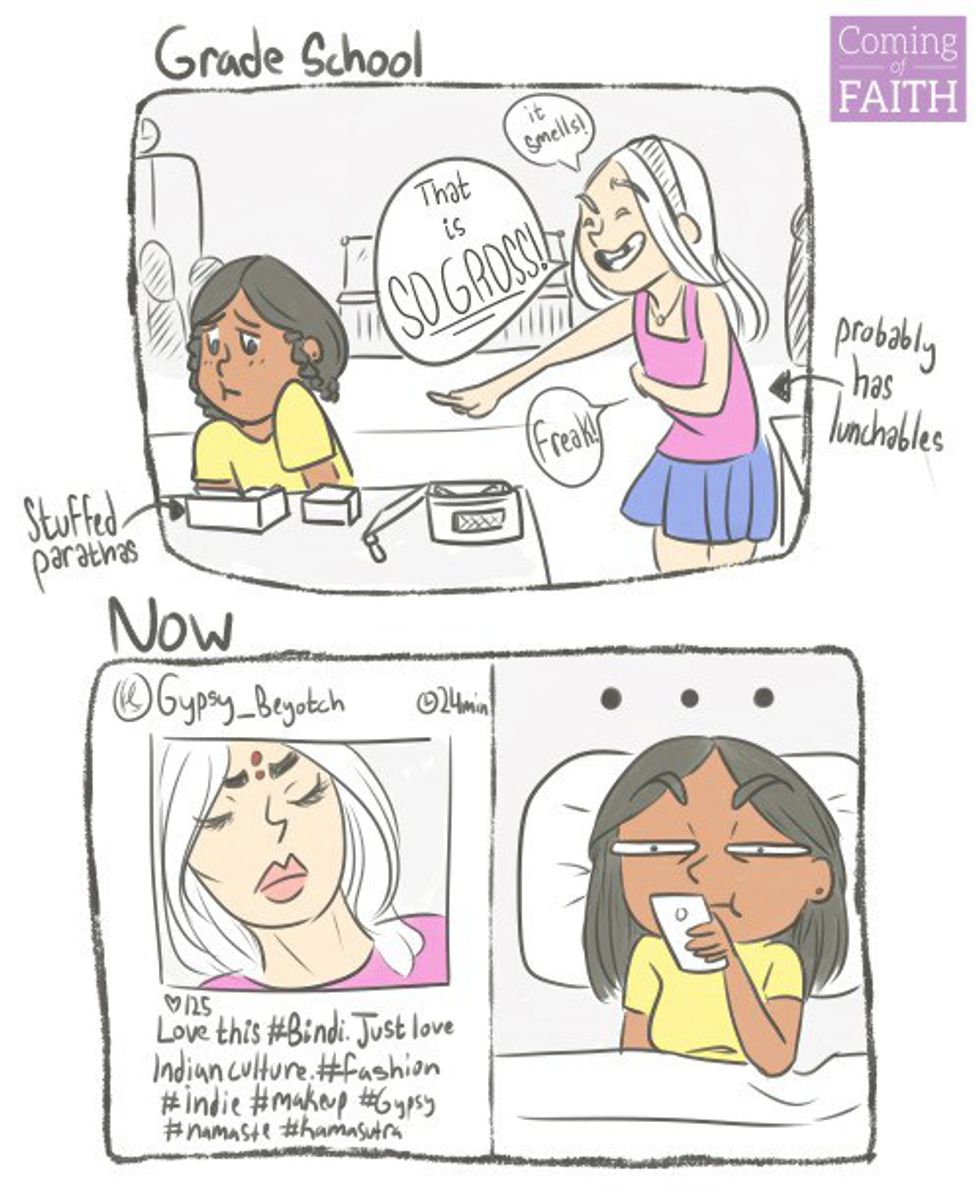
That being said, I do understand frustration over white people using henna. When some white people make certain comments, I'm appalled and a bit disgusted. As a kid, mehndi was weird, but now that it's popular and white people use it, it's normal. That's definitely one of the most irritating things about this.
But I still don't think non-Middle Eastern/non-Desi people should be banned from using henna, because I do believe it should be used to celebrate joyful occasions of any kind. Also, I suppose I'm hopeful that someone's interest in henna could inspire them to get to know the culture that uses it better, to understand it beyond whatever stereotypes and preconceptions they have. I'm proud of my culture and I want people to know that henna designs aren't the only beautiful thing about it.