


We all know the classic opening to every Jan. 1: “New year, new me." Whether someone strives to stop smoking, start reading a book everyday, or anything in between, we all know someone attempting to use the new year as a new beginning.
One of the most common resolutions is based around weight loss and, naturally, one of the most common ways to pursue such a resolution is a diet. As we all also know, many don’t succeed. While difficulty, lack of time to devote and lack of motivation all can apply, other factors can interfere with, or completely tank a diet. Here are some offending culprits that hold influence over a diet, but often go undetected:
1. Dressings
In an attempt to cut back on sugary foods or fatty substances, healthier options, like vegetables, are often supplemented. Because of their variety and versatility, salads are an extremely popular option. Because salad leaves are basically fiber and water, a lot can be eaten with little to no caloric intake, and added nuts, meats and chopped fruits can create a delicious, nutritious meal.
However, salad dressings can turn a healthy dish into a sugar-laden nightmare. Ranch and Thousand Island can often constitute around 300 calories of a salad, and even inconspicuous vinaigrettes can pack an unwanted punch, like the serving Chipotle sells with their salads (270 calories)! Better options like Italian dressing, or olive oil and vinegar, can keep a salad what it should be: Healthy.

Image Credit: Enkivillage
2. Sugar
This should be an obvious one: It’s widely known that too much sugar is bad for any diet. The American Heart Association recommends a daily sugar intake of 6-9 teaspoons. Many, however surpass this advice by a sizable amount, often because sugar can be found in many unsuspecting foods. ¾ cup of generic tomato sauce (a serving) can have around four teaspoons in it. Add in a soda (save the pasta, salad, salad dressing and garlic bread) and the recommended intake level has already been completely exceeded. Also, be wary of fruit drinks: Often times, sugar is added to an already naturally sweet drink. One bottle of Snapple peach tea has almost 10 teaspoons of sugar by itself, eliminating the recommended sugar cap in one drink.
3. Eating times
This advice comes from my mom, who is a certified nutritionist. Contrary to public belief, the body isn’t meant to receive food all day. While dieting, eating strictly healthy foods and cutting out fatty and sugary ones isn’t always necessarily enough. The body needs a break, giving it time to absorb and process nutrients and move waste through the digestive system. While starving yourself is never a good idea, fasting can be. Giving the body about a 12-hour break allows for a more substantial use of stored fats, and subsequently supercharges metabolism. Eating from 8 a.m. to 8 p.m. (or any other 12-hour variation) is a good plan to follow, giving your body a much-deserved break. In addition, eating about every four hours continues to provide the body with ample digestion time, but keeps metabolism high.
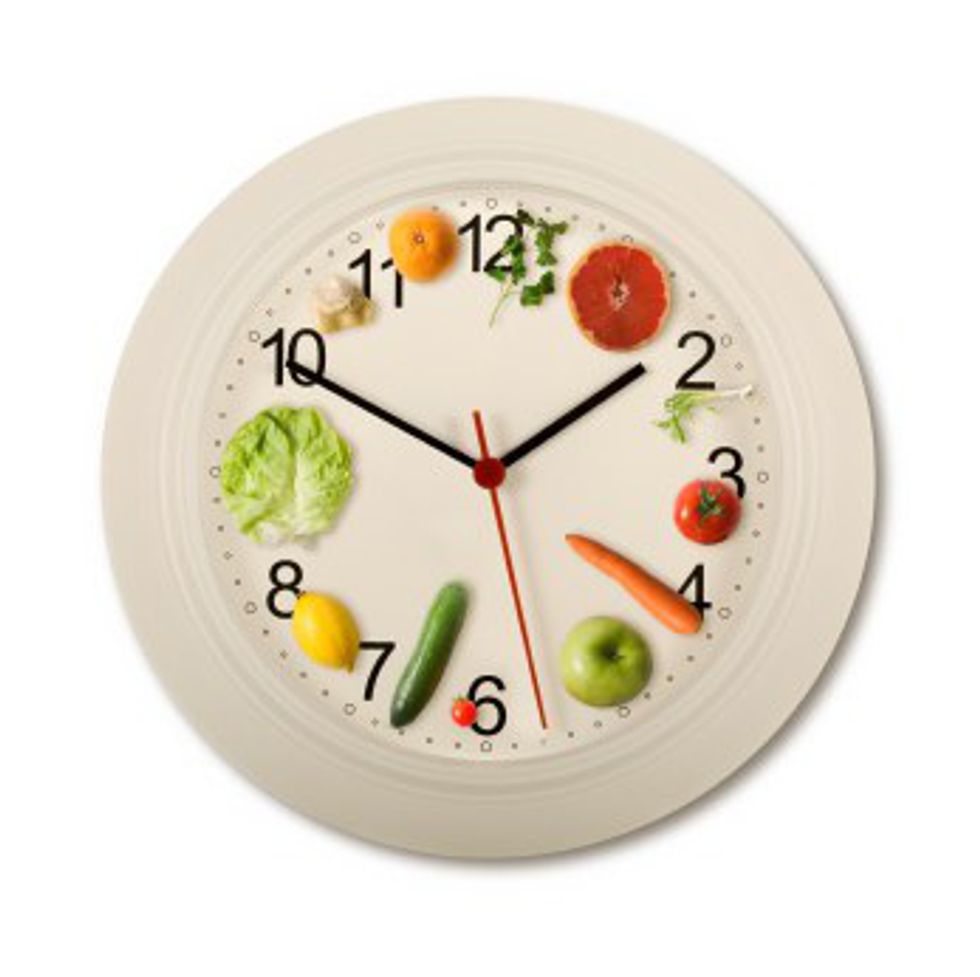
Image Credit: For Living Strong
While these tips won’t guarantee a drop in pounds or a smaller waist, they are helpful to avoid falling into unfortunate, yet unforeseen traps. Also remember: With exercise and a nutritionally aware diet, you’re bound to live a healthier existence, even if you don’t see physical results as quickly as desired. And, if you just HAVE to eat a midnight snack, try a bowl of cereal instead of driving to Taco Bell.