
"The male stereotype makes masculinity not just a fact of biology but something that must be proved and re-proved, a continual quest for an ever-receding Holy Grail." Marc Feigen Fasteau.
In discussing changing our culture, we tend to bash men and masculinity. Oppressive female gender expectations are well talked about, but we need to be reminded that we all fall under the same system. "Oh, boys will be boys" is not only oppressive, because it states that men and boys are unable to grow a conscious based on their sex, but it is lazy thinking and creates a negative social attitude towards boys.
I will continue to push this; it is our culture’s ideals of masculinity and various pressures that create issues in our society.
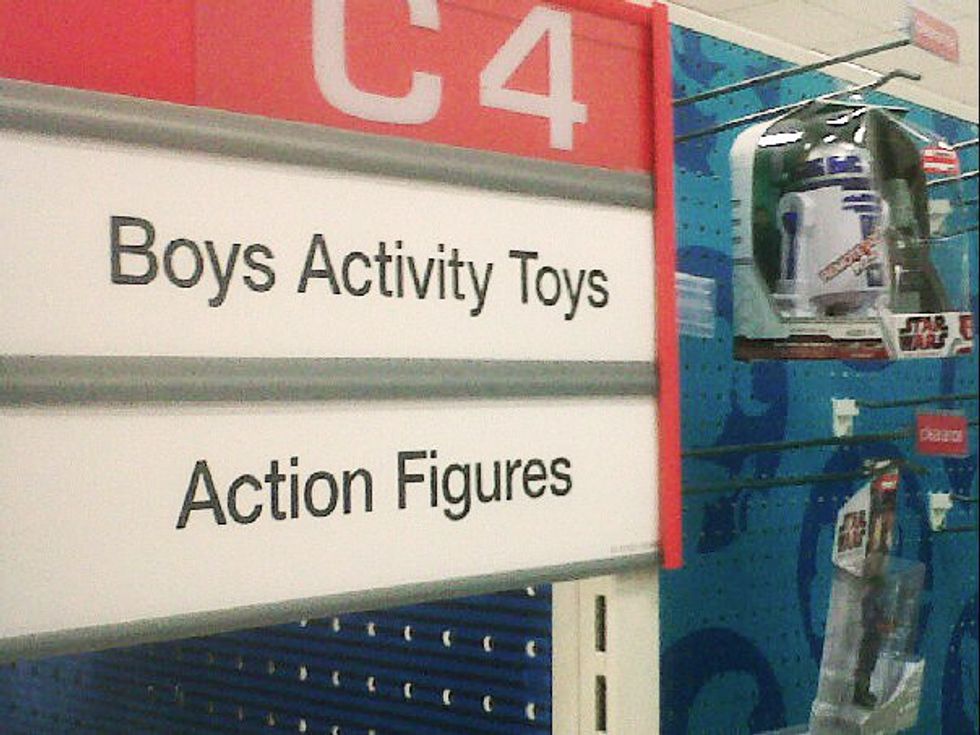
We sustain a culture in which systems and institutions continue to produce and demand hyper-masculine men at an incredible rate. When we talk about the violence in our culture, we speak about unhealthy and abusive men. We can blame men for their violence and sexism, but we must also look at the ways that a larger culture informs its acceptance.
In studying psychology, I understand the need for people to create connections and consistent categories. These are called schemas; a system of intuitive thinking used to navigate through the world. Basically, They are shortcuts.
It allows us to think efficiently. However, efficiency does not mean effectiveness, as consistency does not mean reliability. Having hardwired shortcuts makes us rigid and married to narrow notions. So, when we are told that gender is fluid, it does register.
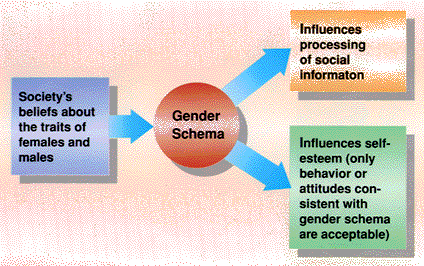
Another concept that often assigns rigid gender-based message starts at birth. The sex of a child is usually determined by their primary sex organs, which means the penis and vagina. So, if you are identified as having a penis at any stage of pregnancy or birth, you are automatically plugged into the culture’s expectations of your respected sex. In regards to men in our mainstream culture, if you have a penis you are on a journey to play a role in our society.
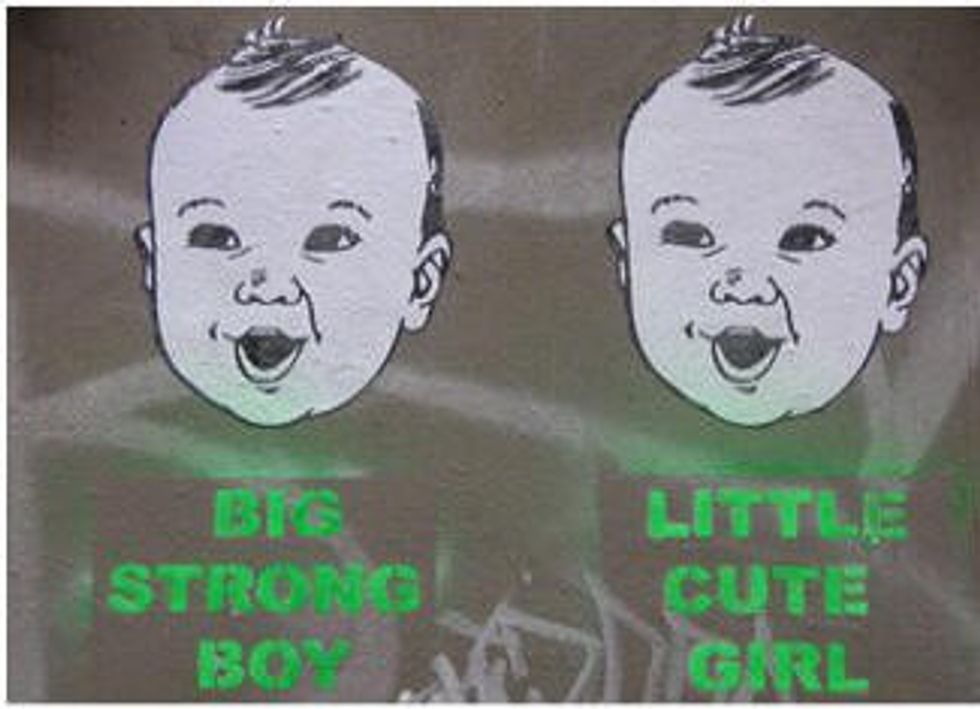
Masculinity, in itself, is not toxic. Two things make it problematic: rigidness and hyper-masculinity.
Rigidness: Men can only, and be only, what society thinks a man should be.
No flexibility. No excuses. Play your part. Be a man.
Hyper-masculinity: The constant and overemphasis of masculine qualities.
These qualities are anger, aggression, not showing your emotions, being sexually driven, and do not dare to even appear to have any feminine qualities or else you are a "girl" or your "gay."
Being called a “girl” or “gay” was the most horrific thing we could ever be called during our childhood. Why? We were supposed to be boys, not girls. Girls were weak, passive, and emotional.
In addition, appearing to be gay is a way of policing men to stay the course of the normative heterosexual culture ideal, while also degrading people who are gay.

If you stepped out of your assigned box, you were less than a boy, as a man. We were conditioned incredibly quick to be tough, aggressive, and be minimally emotional thanks to constant reinforcements of our parents, teachers, and friends.
Constantly proving your manliness, is honestly, tiring. It is like having to stay in a job you hate from birth to death. The rigid box of binary genders is an issue that both woman and men have in common.

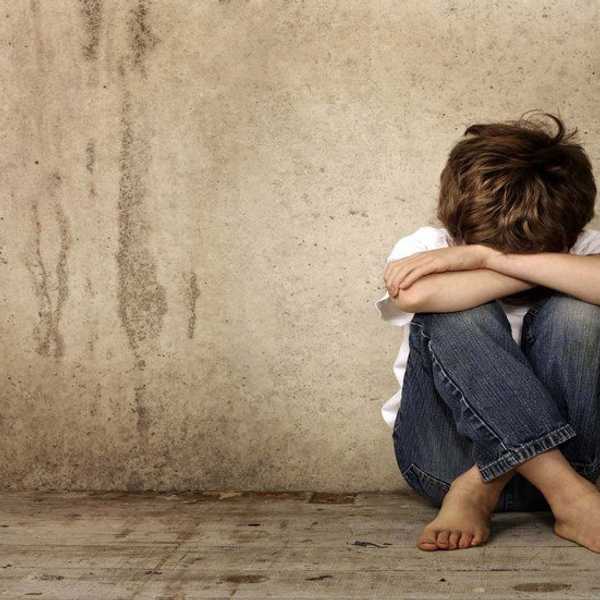
We are not allowing our boys to freely express themselves. We filter them to express one emotion to represent, and cover up many other emotions. For example, when a man is hurt, embarrassed, or sad they may show either anger or isolation.
In the United States, suicide among men is four times greater than women and accounts for 70 percent of all suicides in 2013. It may be a revolutionary thought for many, but no one fits in one box. Every part of our identity (temperament, personality, sexuality, and gender expression) lie on a spectrum.
Many women in my life have shared with me they have rarely seen their father cry, but when they did, it affected them greatly.
If a father cries, how powerful would it be for him to see his daughter watching and take that moment to share that Daddy cries, too? How impactful would it be to take that opportunity to share that their dad, the first man in their life, is a full-fledged human? How about teaching our sons that they are full-fledged human beings?
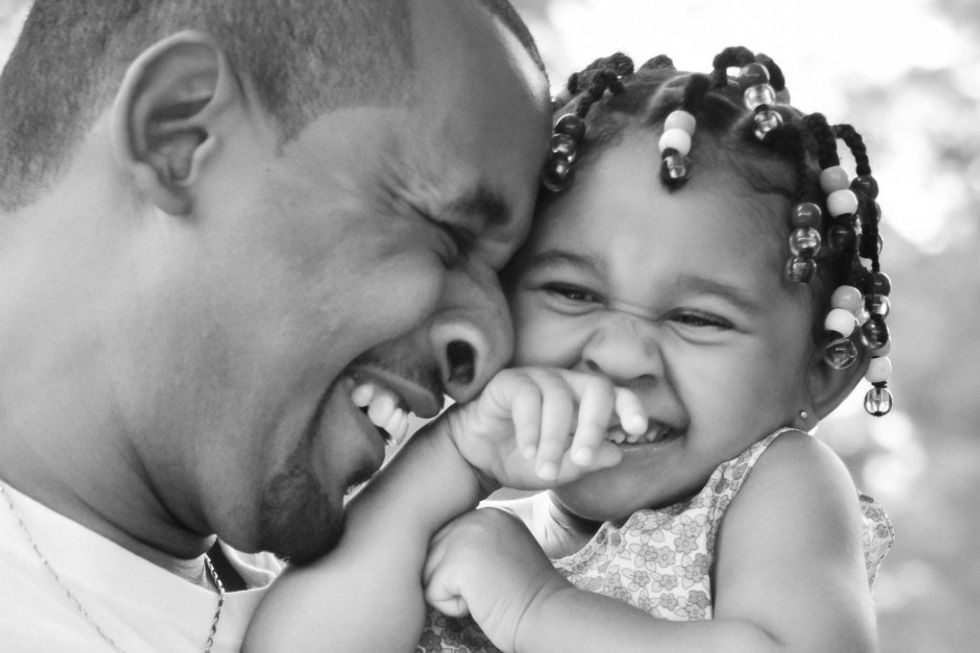
It is detrimental for little boys and little girls so associate masculinity as unemotional, aggressive, and violent.
If we are to change our culture, we must also have little boys and men's wellbeing as a primary goal. How do we do that? By breaking the gender roles we place on all members of our society.