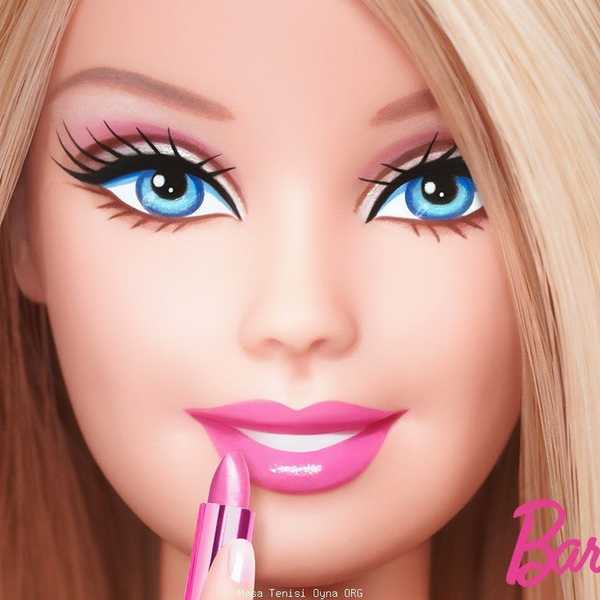
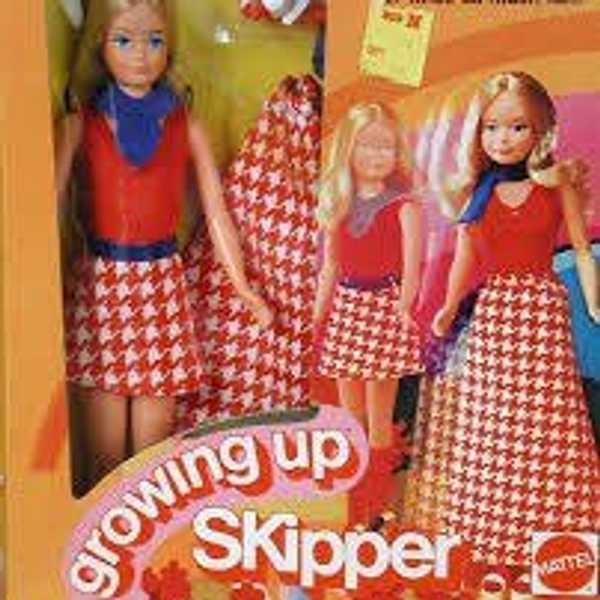
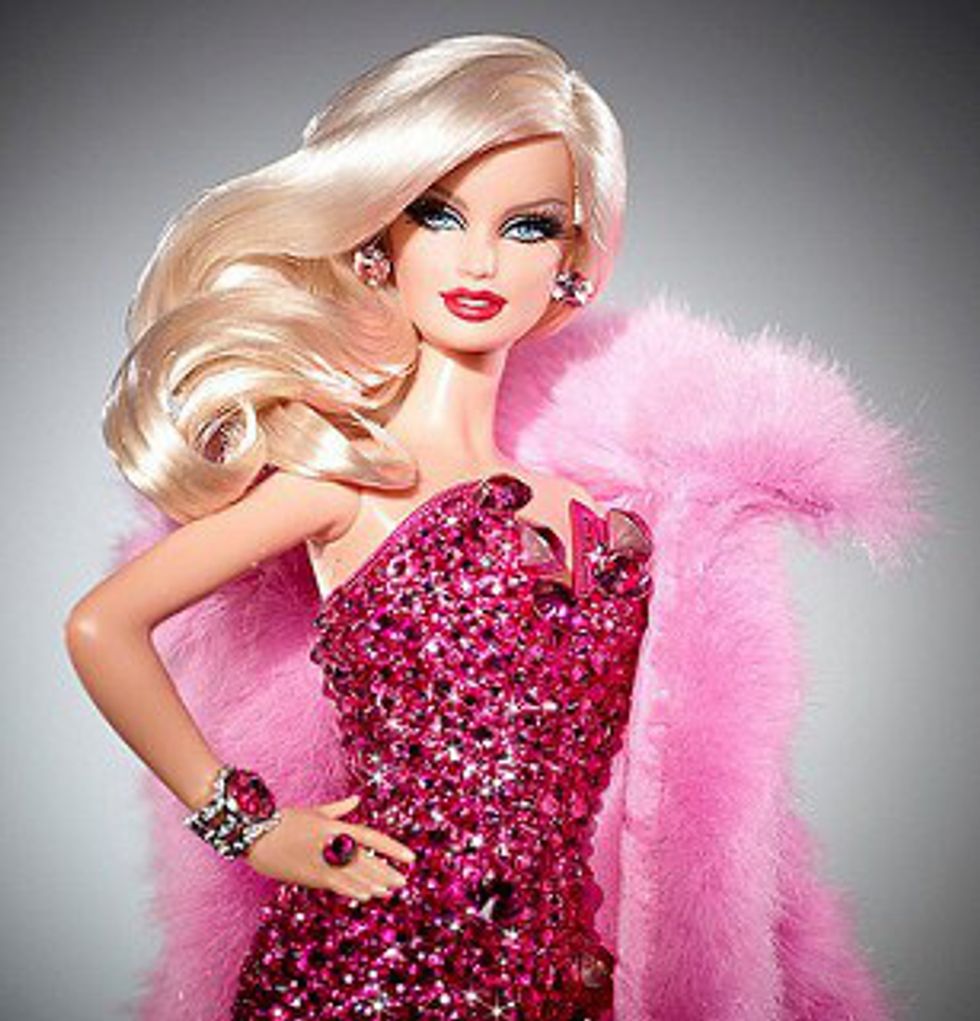
When I was younger, I had a fascination with Barbie—a fascination bordering on obsession. I loved her long blonde hair, her pink heeled shoes and her tiny dresses. Every year a “new” Barbie doll would be introduced, identical to the past ones with slight variations in hair color and clothing. I wanted them all.
It was not until much later that I understood the significance of such a doll. One that is tall to the extreme with a thin waist and long limbs. Such images of bodily perfection were cornerstones of my youth from all pink accessories to perfectly made princesses in the movies and I thought nothing of it. Rather, I wanted to be just like the doll, pretty and stylish.
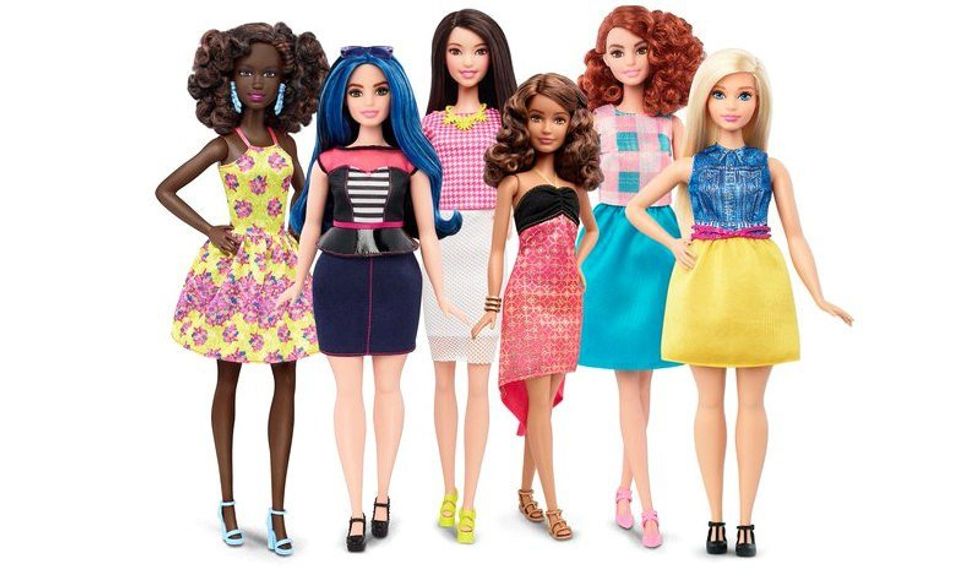
The discussion of the impact of such toys on young impressionable children is not a new one, but has recently taken hold of the masses with the introduction of new dolls from Barbie's manufacturers Mattel. Mattel has introduced three new body types to the typical 1961 Barbie doll: curvy, tall and petite.
According to the company, Barbie will now come in four body types and seven skin tones, with 22 eye colors and 24 hairstyles, with a total of 33 new dolls. Spokeswoman Michelle Chidoni said the toys "offer more choices" to make "the line more reflective of the world girls see around them." It's about time! Not only are the dolls encompassing the cultural and racial differences seen in the world today but they finally have the movable ankles to allow the dolls to wear flat shoes, opening up a world of possibilities.
In a world full of advertisement and influence, children are especially susceptible to not loving themselves for how they look. Barbie has always been a character that appealed to little girls of all ages because she was a toy that could be dressed up and presented to show off different styles. The toy came in a single skin tone and had proportions not based on reality. For girls everywhere, Barbie was the ideal, the image that should be attained. Promoting these ideas of beauty and belonging have harmful effects on the social and mental development of children. Many times kids do not feel as of they can fit in with their peers so they make it a mission to change both looks and appearance to make friends. Often this lead to mental dilemmas and social anxiety that follow them into adulthood.
These differences in body types are opening up children to love their bodies in the way that they are. The ranges in skin tone allow kids everywhere to walk into a store, pick up a doll and be connected in a way that was never before possible, to feel like there is a toy out there for them, one that even looks like them.
Critics point that the dolls still place an emphasis on beauty and that the fashion forwardness of such a doll creates an innate desire in all little girls everywhere to want to be "just pretty." At the end of the day, Mattel is proving that change has and will be made to allow all girls and boys the privilege in feeling comfortable in their own skin. This is just one of the many steps that toy companies and movie directors are taking to give kids more pride in how they look.
Disney has also taken to adding new, racially diverse princesses and placing emphasis on girls being powerful and strong with movies like "Brave" and "Frozen." Social change is necessary and action is required from our youth. This line of new dolls opens up millions of new possibilities to such change.