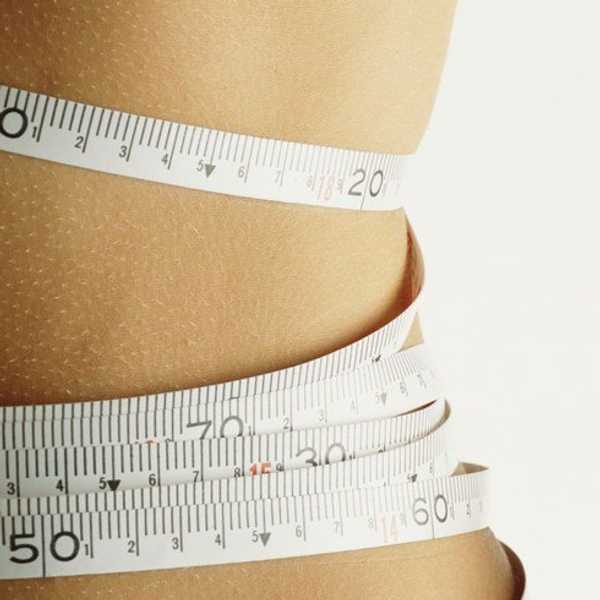
Awash with wafer-thin female models and toned "alpha males," today's media is a breeding ground for producing feelings of insecurity and body type obsession in society. We often hear the unfortunate story of a young girl suffering life-altering injuries due to an attempt at maintaining a certain body type, one that is "healthy" by the standards of pop-culture, but too dangerously thin to sustain a quality life. Eating disorders are prevalent in society and accepted by many. The ambiguities that surround an individual with such "disorders" make it hard to diagnose and easy for individuals to stay quiet about. Ad campaigns aimed toward a more "healthy" body for women are promising. There is, for lack of a better term, an absence of related literature or even mention of these types of issues among the male population. Personally related to this issue, I seem to wonder why.
Body image disorders are not new to medical literature; however, negative body image research has focused historically on women. Females have traditionally been seen to be affected by the pressure to achieve a certain “size” body or conform to an ideal body shape that society deems acceptable and attractive. Although young women have been the subject of most of the research and focus of these disorders, the young male population is now receiving similar attention. This is due to the fact that many young men are beginning to show signs and behaviors that are characteristic of a body image disorder. What may be a perfectly “normal” body is seen by the individual as being in some way insufficient; whether it be too fat, too skinny, or in the case of many males, not muscular enough.
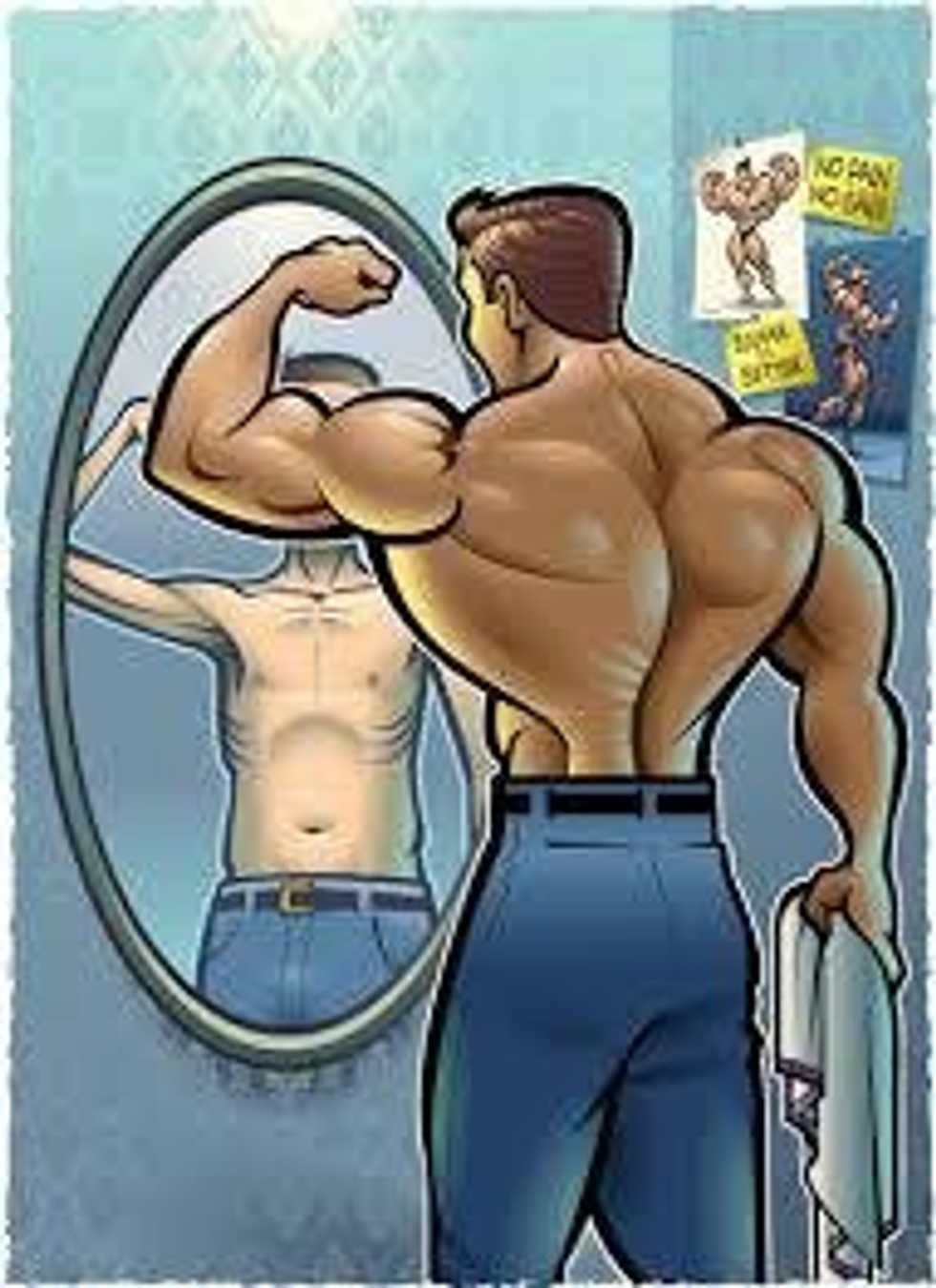
Gaining particular interest in recent psychological literature is muscle dysmorphia (MD), also known as muscle dysmorphic disorder, a disease related to one’s feeling of being insufficiently muscular. It is noteworthy that about 95 percent of American males have reported that they would like to be more muscular. This condition is newly recognized and its signs and symptoms are being classified in order to gain status as a clinical disorder. Found predominantly in young males, muscle dysmorphia is being found to have many cultural and psychological elements behind it. Much research into this subtype of body dysmorphic disorder is being done to determine the causes, behaviors, and symptoms of the disease. These efforts will help draw more attention to an issue that has been too "hush-hush" as of late. Gaining status as a clinical disorder will help the population affected begin to find ways to deal with the issue.
The American Psychological Association defines muscle dysmorphia as “the belief that one’s body build is too small or insufficiently muscular." However, there was not always an “official” name for this disorder early on. When it was first brought to public attention in 1993, this disorder was referred to as “reverse anorexia,” as the signs and symptoms were similar to those of women suffering from anorexia nervosa, a disorder including restriction of a person’s food intake in order to lose weight. Due to the fact that muscle dysmorphic individuals are less preoccupied with being too small and thin, and more focused on decreasing body fat and increasing muscularity, the term “reverse anorexia” began to lose popularity, as “anorexia” is seen as a totally different preoccupation. Individuals displaying muscle dysmorphic-like symptoms view themselves as not having “enough muscle" or being too small. Although both are forms of body image distortion, anorexia and body dysmorphia have different psychological underpinnings and characteristics, and result in maladaptive behaviors within society and the individuals own eating and exercise habits.
Gaining exposure in the media is a term recently coined by Dr. Steven Bratman as "orthorexia," an “unhealthy obsession with healthy food.” While oxymoronic in phrasing, this affliction is all too real, causing individuals to become preoccupied with “eating clean” and shunning certain foods that are labeled unhealthy or taboo by the health culture. Many males who put effort into maintaining a certain fitness and appearance, will find it compelling to feed their bodily "temple" only food which will nourish and cleanse its sacred walls. The trend known as “clean eating” and the faddish “paleo movement” both reinforce the notion that all food eaten should be natural, unadulterated, and pure. Thus, diet restrictions ensue, leading to some of the same dangerous side effects associated with more common eating disorders.
Seeing a presence (at times heavier than others) of symptoms of these disorders in myself has caused me to become aware and cautious of the paths they can lead to. When entering into competitive cross country, I became obsessed with what I put into my body, severely limiting what types of foods I consumed on a daily basis. There was, I now believe, a point of eating “too healthy” where you are starving the body of key nutrients that it wants and needs to grow. However, I believed that the thinner I got, the faster I would run, and this thought purported an obsession with calories and weight. Moderation of any type, both in exercise and restricted eating, went out the window, in favor of an extremism of both tendencies. When you have this type of disordered thought, you fail to recognize the symptoms, nor do you heed advice of outsiders who clearly see that something is wrong. Thoughts are self-serving.
These days, while adhering to a more or less “clean eating” style, I realize the need to consume what my body wants and needs. I still run an amount that most will claim is unhealthy, yet feed my body in a way that supports this type of endeavor. Being a collegiate athlete still brings with it the pressures of trying to maintain peak physical condition, at least matching that of those men around you. I believe that it is in the competitive male attitude to want to “one up” our peers, resulting in battles over physique and muscularity. We need to realize the slippery slope that can arise from a culture that is giving the same body “ideals” to males that it has always given to females. Male eating disorders are real, and while becoming more mainstream, will hopefully gain the attention that is so overdue. Men need to realize that there is no shame in admitting that an eating disorder-like condition may be present. Having open dialogue about this subject would be refreshing, and most likely helpful to other men who might be wondering if they are in the minority.