
Safety is something I easily take for granted on this campus. While I move through the day, I rarely feel as if there is some sort of threat (unless you include October's phony shooter scare, but that's another story). Moreover, I as a person feel accepted and comfortable. I can easily find others who have a lot in common with me - from religious beliefs to my hometown to my favorite music. As a benefactor of a bizarre system of privilege, I don't fret that someone is going to take a look at me and perceive me for something I'm not.
An Ohio State survey of international and domestic students in 2013 revealed that not everyone shares my feeling of acceptance and security. During the average day walking around on campus, 6.4 percent of international students reported feeling totally unsafe, while just 0.7 percent of domestic students shared that idea. Where does this significant difference come from?
It's important to remember that feeling safe goes beyond the absence of fear of physical harm. On a college campus, feeling safe is about much more. To feel safe is to feel trusted, welcomed and part of the campus culture.
Often in conversations about diversity, the word 'tolerance' comes up. I'm not sure this is the word we want to use. Diversity - and true safety - is about feeling celebrated, not just tolerated. In my eyes, tolerance is the bare minimum. It's the outer edges of what it means to include. Celebrating one another is the goal we should aim for.
So, what does a truly safe space look like? How do we put the brakes on discrimination and ensure everyone the chance to own their campus?
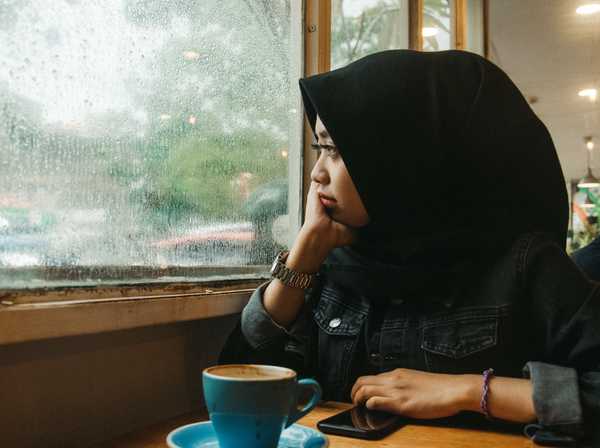
In a reading in one of my classes this week, I was struck by the simplicity of what it means to create an inclusive climate, “The first day Fatima wore hijab on campus, one of her professors told her that she looked beautiful. This remark made her feel good about this step in her faith.” I love that. I love how any of us can be this professor, taking the time to make others feel appreciated and important.
Compliments aren't going to make discrimination disappear overnight, but I think there's something empowering about feeling comfortable and appreciated like that. In the hard work that is needed to end prejudice of any kind, compliments and inclusive language are just one of many tools in the shed. Acknowledging your interest and appreciation in someone else's identity takes only a sentence or two, but it can mean the world to someone who feels insecure in who they are.