

A disease, as defined by Dictionary.com, is "an incorrectly functioning organ, part, structure, or system of the body resulting from the effect of genetic or developmental errors, infection, poisons, nutritional deficiency or imbalance, toxicity, or unfavorable environmental factors." Where as a disorder is simply defined as "a disturbance in physical or mental health or function." The importance of determining the correct categorization of those diagnosed with clinical depression will greatly intensify the need to solve this serious problem.
The "Just Get Over It" Problem:
Globally, more than 350 million people of all ages suffer from depression and it is currently diagnosed as a disorder. Typically, society creates an unsympathetic view towards those living with a disorder. The "Just Get Over It" mentality is a major problem those enduring depression must face. That problem is one we can solve.
�"It is important to remember that depression is a disease with a biological basis, along with psychological and social implications. It's not simply a weakness that somebody should get over, or even something we have a say in.” – Scientists Mitchell Moffit and Gregory Brown of ASAP Science
Depression's Effect on the Brain:
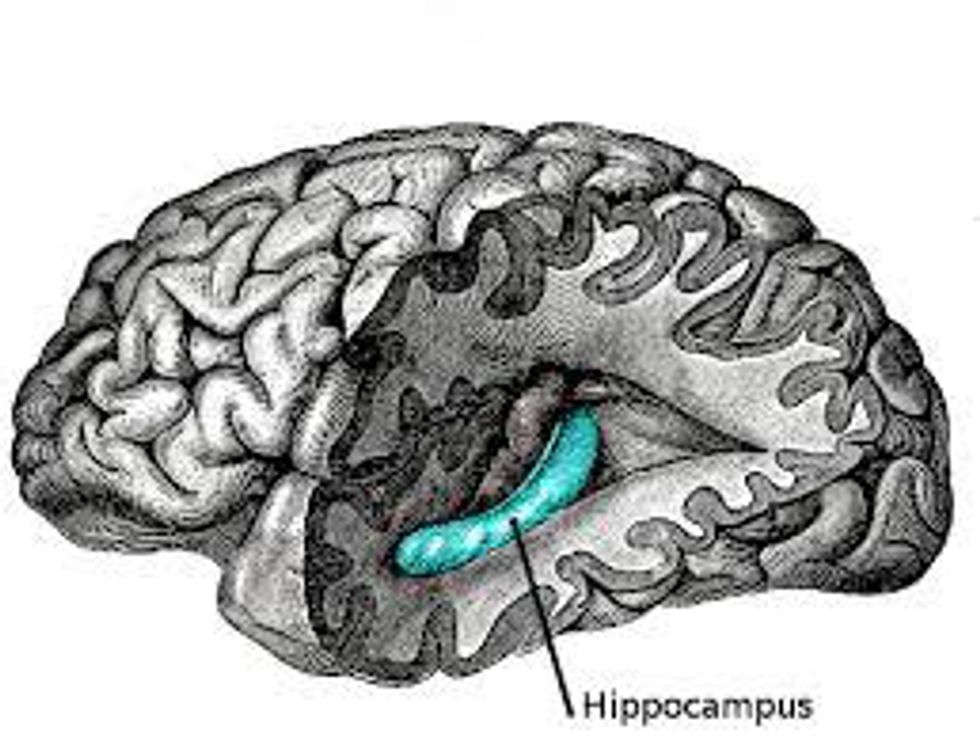
Previously defined as the chemical imbalance of the brain, scientific breakthroughs now explains this complication as a significant lack of serotonin. Recent scientific studies have provided the public so much more insight into the true inter workings of depression. Basically, the key components of depression are brain cell growth and brain connections found in the hippocampus, or memory and emotion portion of the brain. For those suffering from depression, the hippocampus is much smaller than average and if not treated overtime, it physically shrinks and can even dissolve. Stress can trigger a decrease of new neurons in this sector of the brain.
Depression's Effect on the Body:
To truly be defined as a disease rather than a disorder, this problem solely manifested in the brain must also affect the rest of the body. Symptoms of depression have been linked to increased aches and pains, chronic fatigue, decreased sex drive, decreased appetite, and insomnia. Depression also increases your risk for other illnesses such as heart attack, coronary artery disease, Parkinson's disease, autoimmune diseases such as multiple sclerosis or lupus, HIV/AIDS, stroke, cancer, diabetes, kidney disease, and arthritis.
Chemical Solutions:
Previously, serotonin, "the feel good chemical," was prescribed to treat those with clinical depression. The problem being that those drugs had no positive effect on the growth of brain cells. Instead, doctors now combat depression with a larger focus on neurogenesis, the creation of new neurons in the brain. More neurons means more brain connections and happier, healthier patients.
PET Scans:
PET (Position Emission Tomography) scans can measure levels of chemical activity in the brain.
Genetic Factors:
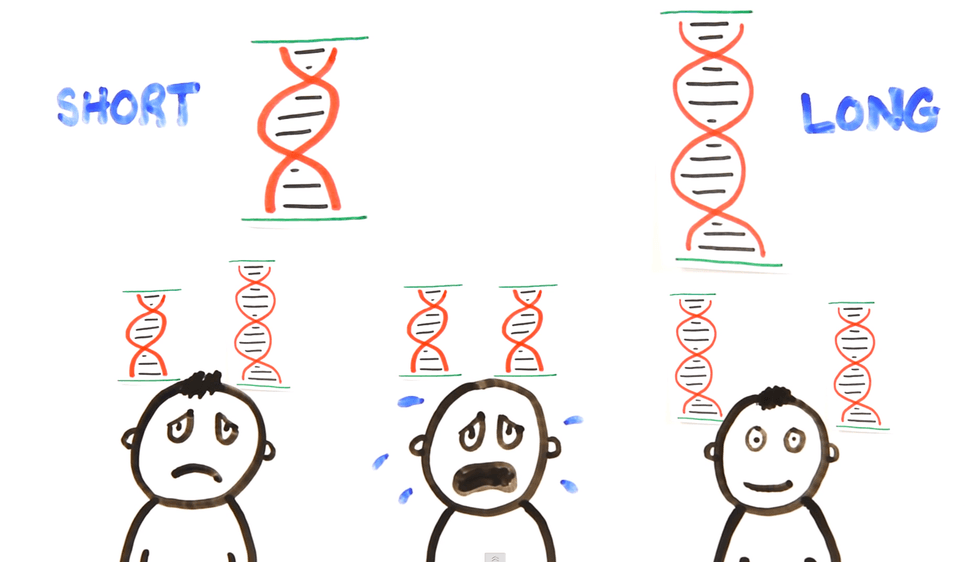
Douglas F. Levinson, M.D., a professor at the Stanford School of Medicine, provides a tremendous amount of research on the genetic factors of depression on his website. It states that the variation in the serotonin transporter gene could have a drastic affect on how depression is carried down. Based on ones genetics, the serotonin transporter gene can be short or long. Thirty-three percent of individuals with one short and one long became depressed after stressful events. The odds are even worse for those with both short genes. The bottom line being that depression definitely runs in the family.
Help Is Always Available:
If you or someone you know is living with depression, don't be afraid to reach out and find help. Several solution options and support groups are available online like http://www.actionondepression.org. Their mission statement claims to empower people with mental health problems to feel empowered about the issue without discrimination. You're not alone in this fight.