
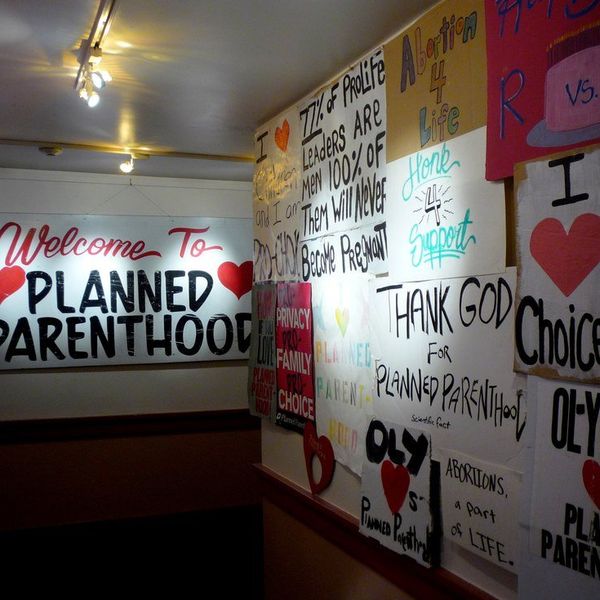

Recently, defunding Planned Parenthood has been a hot topic in the news, especially among presidential candidates. There has been much controversy as to where from and how much money Planned Parenthood is getting, what is the bulk of the services they provide, should they continue to receive federal aid, and whether or not their services are necessary to the extent that is being suggested by much of the public.
On Friday, Sept. 18, the House of Representatives voted for defunding Planned Parenthood in a 241-187 vote. Each year Planned Parenthood receives $528 million from the government, which is almost half of the entire $1.3 billion revenue the organization receives each year, as reported by the NPR based on Planned Parenthood’s annual report. 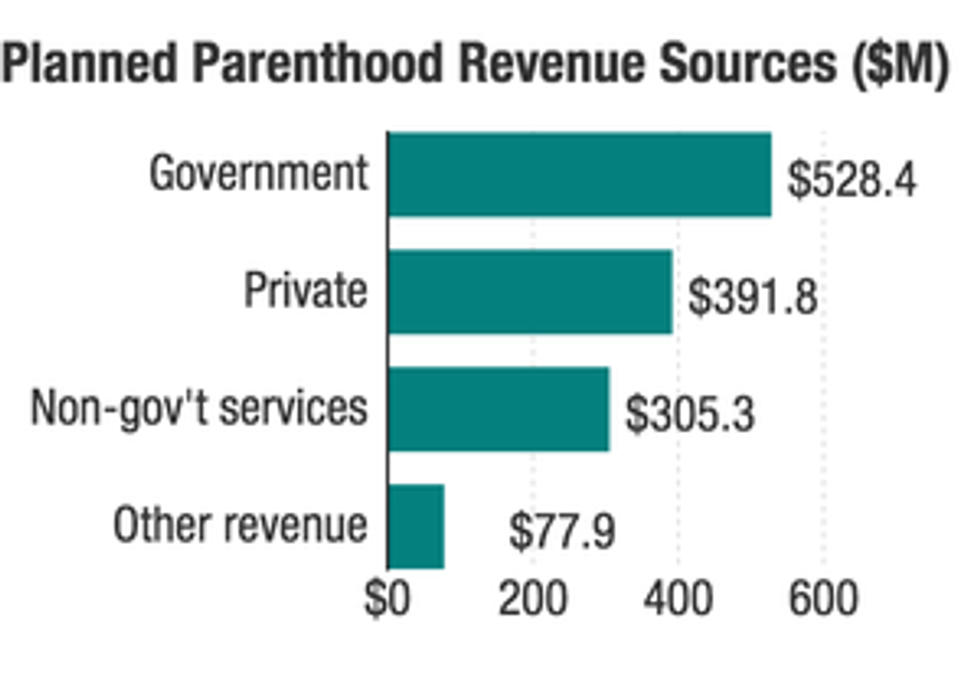 The freeze on federal funding to Planned Parenthood is perceived to be extremely problematic because much of Planned Parenthood's services do does not include abortion. Planned Parenthood is known for completing abortions at its facilities, which is why the conservative constituency of the nation wants it to be defunded. However, according to Planned Parenthood, only 3 percent of their operations consist of abortions.
 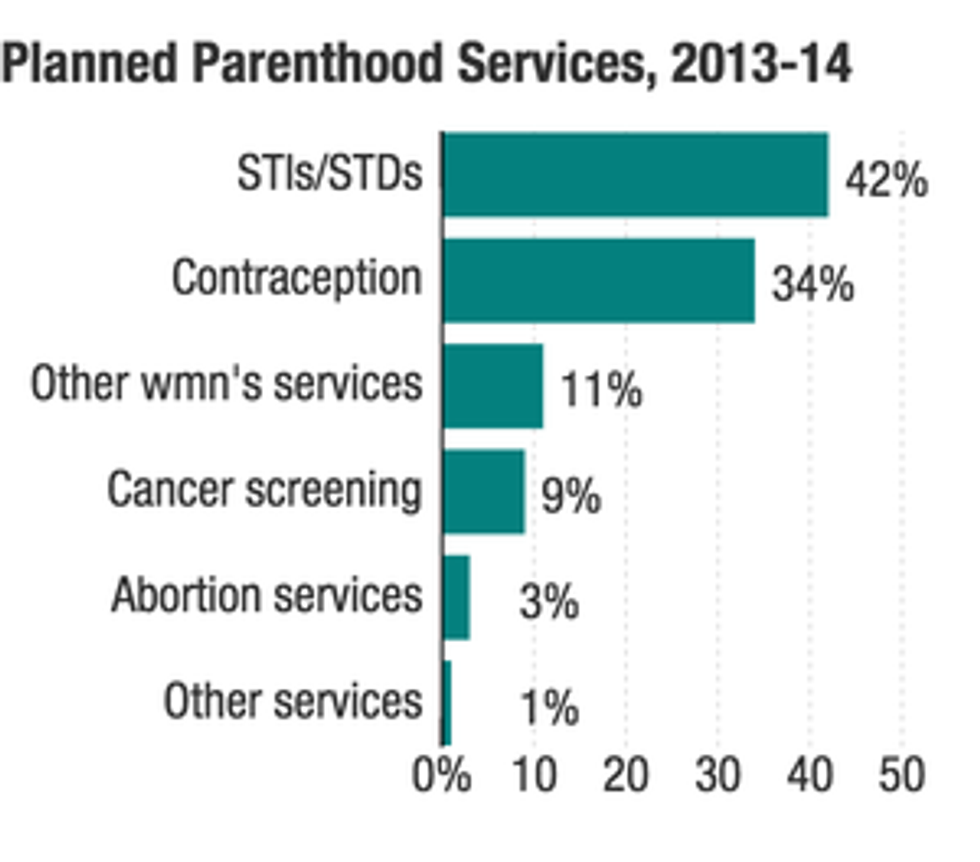 Planned Parenthood offers a variety of services that are essential to citizens, especially the low-income community, who cannot afford private services. The services that they provide include birth control, breast cancer screenings, STD testing, prenatal care, relationship counseling, Pap tests, HPV tests, unitary tract infection (UTI) screenings for both men and women, and physicals. Also, they provide screenings and tests for anemia, cholesterol, diabetes. which are common health risks in low-income communities. The effects of these conditions are not usually detected until more severe health conditions arise. Taking away one of the few affordable, friendly centers that are available to low-income citizens will do more harm than good.
Planned Parenthood has a stigma for being known only for abortions, but the services they provide are so much more than that and are essential. By letting a minor aspect of what they offer lead the movement against them, more harm than good is being done. By taking away a significant portion of their funds, they will not be able to help those in need. Most of what Planned Parenthood does is preventive care, preventing diseases and pregnancies alike. Without organizations like Planned Parenthood and their services, pregnancy rates may increase, which may undo the success in reducing the teen pregnancy rate of the past two decades. By having somewhere to go to get free or low-cost birth control and prenatal care, citizens are experiencing lower chances of getting pregnant, let alone abortions.
















