

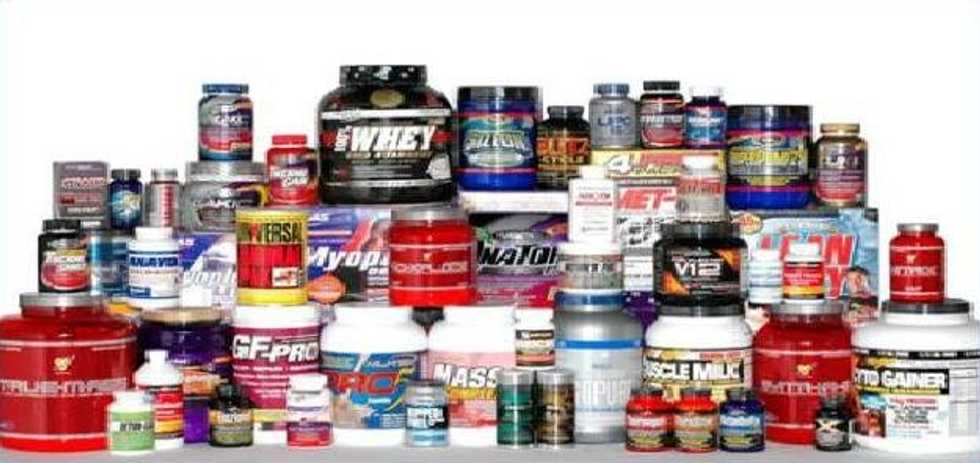
One of the most profitable markets in the 21st century is the production of supplements by pharmaceutical companies. With health crazes becoming extremely popular not only in the United States but worldwide, pharmaceutical companies have seized the opportunity to market and sell supplements at outrageous prices while avoiding several government regulations that haven’t quite caught up to the fast growing industry.
There are many people who will claim that food is what is good for you and that all supplements are bad, but I am not one of those people. I believe that consistent amounts of vitamin C act the same in your body whether you consume it in orange juice or a pill capsule. I also believe that, before taking any supplement, people should really understand what they are taking and why they are taking it by doing research beyond what the brand label claims. For example, many people who take casein protein supplements before bed are trying to build muscle mass because pharmaceutical companies claim it is the best way to keep muscle mass over night. They reason that casein is the slower digesting protein and it will prevent your body from going catabolic while you do not eat as you sleep. That makes sense, right?
There are many ways to pick apart this argument, but let's start simply with the price. Proteins in the casein family make up 82 percent of the protein found in milk, the other 18 percent being whey protein, which is fast acting. On Amazon.com the cheapest tub of casein protein powder is about $50 at full price for 27 scoops. That is almost $2 per serving of the supplement. A glass of milk can accomplish the same thing while also tasting better, providing other valuable nutrients, and costing about 25 cents per glass, assuming the gallon costs $4.
In addition, the FDA is not quite up to date on regulating supplements yet, so the preservatives and chemicals added to the powder to make sure that it dissolves in water may be more damaging to your health than the protein is helpful. For example, many types of casein proteins do not naturally dissolve in water so the pharmaceutical companies add in chemicals to make sure that the powder can dissolve in water to be drunk as a supplement before bed.
Lastly, you may wonder how pharmaceutical companies obtain isolated concentrations of casein. If you think that they synthesize it in a lab then you are wrong because that would never be profitable enough. Pharmaceutical companies use the leftover “cream” from skim milk and isolate the casein from that. They simply needed a purpose for a waste product and now they sell people the waste from their dairy farms as an “advanced supplement.” Please, do yourself a favor and just drink milk, eat Greek yogurt, or aged cheese before bed rather than support this immoral marketing scheme.
Once again, I am not saying that the casein found in the powder will act any differently in your body than the casein found in milk, but I would say that doing your research is important before deciding on a supplement. Also, casein is just an example of a supplement that I find to be not worth it in any scenario, but the same logic can be applied to several pharmaceutical marketing schemes for supplements currently on the market.