Imagine that you are in a bathtub. Simple enough, right? Except it isn’t a relaxing Lush bath bomb-bath with soft music playing and a nice, refreshing drink close by. Imagine instead that you are in a bathtub day in and day out, forced to perform a variety of tricks in order to be able to eat. There are no breaks except when the day is over and you are left with only yourself for company. There isn’t anywhere to go, there isn’t anything to look at except the cold walls of the bathroom. Sounds like the plot of a horror movie, right? For the whales that ‘live’ at Sea World, this nightmare is a reality, one that has been going on since Sea World first opened their doors in 1964.
As a child who was absolutely fascinated with anything water-related, I wanted more than anything to experience Sea World for myself and burned with jealousy every time a classmate came to school on Monday and talked about their weekend trip to this ‘water wonderland’. I am now overjoyed that my parents never invested the time and money to visit this establishment.
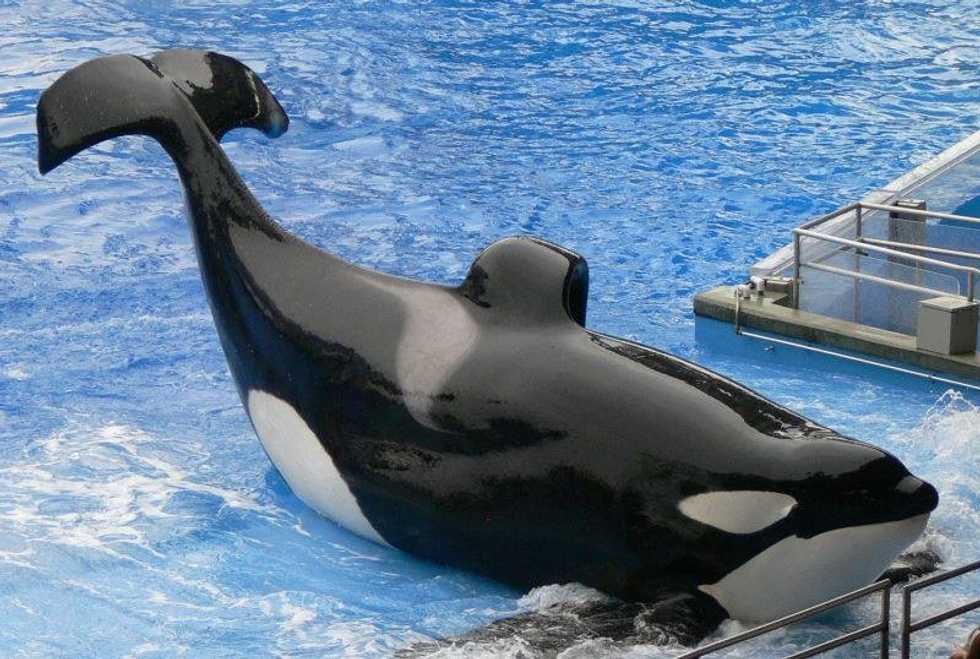
In recent years, the shiny image of Sea World has been washed over by the waves of truth that were, for the longest time, concealed by the company. The death of whale trainer Dawn Brancheau in 2010 as a result of Sea World’s largest whale and star attraction, Tilikum, ignited a chain of events that awoke people, myself included, to the horrors that SeaWorld has been hiding. Brancheau is not the first to die due to contact with Tilikum. Prior to her death, Tilikum claimed the life of a Sea World trespasser in 1999, as well as the life of a biology student and competitive swimmer in 1991. The latter incident was the reason why Tilikum was moved from what was once Sea Land of the Pacific (which closed its doors soon after the event), to SeaWorld Orlando in 1992.
Sea World, in a desperate attempt to maintain their image, wrongfully pointed the finger at Brancheau and deemed her responsible for her own death, knowing full well that she was SeaWorld’s most skilled trainer and that she was the last person anyone would have expected this to happen to. However, in January of 2013, the documentary "Blackfish" premiered at the Sundance Film Festival, and the impact this documentary had on the public was overwhelming.
In 2015, Time Magazine reported that Sea World sales dropped a whopping 84 percent as a result of this film. The raw, unedited documentary finally uncovered the mound of secrets Sea World withheld from the public for years; about the quality of life for their animals and about the death of Brancheau. "Blackfish" allowed Brancheau to defend herself from the grave, and her voice was louder than the corrupt voice of SeaWorld that tried to blame her for her tragic end. Yes, Tilikum is responsible for Brancheau's death, there is no denying that fact. But at the same time, Sea World is responsible for Tilikum, and therefore, they are the ultimate reason for the trainer's death.
Let’s revisit the bathtub scenario. I find it extremely difficult, if not impossible to believe, anyone who says that they would maintain a completely sane state of mind while spending each day in a bathtub and being forced to perform for food, all while having to share said bathtub with other people who are forced to do the same.
Life for whales at SeaWorld is a nightmare even before they arrive at the park. Tilikum was torn away from the waters of Iceland, his mother, and the rest of his pod when he was just two-years-old; he was unable to do anything about being shipped off thousands of miles away from his family. He has been in captivity for 33 years, 24 of which have been spent at SeaWorld Orlando. He has been injured multiple times by other whales in the enclosures he is forced to swim in, he has suffered multiple infections and most of the time, he is reduced to simply swimming in circles and bopping up and down in his enclosure due to extreme boredom (see 3:04 in video; from Shamu Cam at SeaWorld).
In response to the increasing protests against them, Sea World announced that by 2017, they will end all killer whale shows. While this is splendid news, it begs the question of, is this enough?
In short, no, not by a long shot. While this is obviously wonderful news for the whales that have been exploited for years by this establishment, SeaWorld owes the public much more than simply ending the cycle of exploitation. Issuing a public apology to the guests of SeaWorld, to the families of the victims that died at the mercy of Tilikum and to anyone else they have lied to would be a great first step towards taking responsibility for the chaos they have created. Genuine recognition of wrongdoings is the first step in creating a solution. And the solution is simply to stop taking animals out of their natural habitat.
The outburst of technological advances that we have made as a global community can be used to its utmost potential in ensuring that SeaWorld can be an educational and ethical establishment to visit. Instead of having people wander around a park full of captured animals, people should wander around an interactive and educational virtual wonderland of aquatic sea life. Instead of whale shows, there could be 3D virtual reality shows where the audience puts on glasses and swims with whales, dolphins and other sea life. We need to embrace the life in our oceans, but do so in a way that does not disrupt, destroy, and/or kill the animals living there.
No amount of change SeaWorld does now can ever give Tilikum the quality of life he was robbed of, nor can it bring back the three lives that were taken by him. With that being said, however, SeaWorld can ensure that the exploitation of animals ends once and for all by creating a positive environment where people can learn about aquatic life in a way that is ethical for all. Just because we like something, it does not mean that we should bottle it up in a tank that is less than one percent of its natural habitat and watch it suffer.
Please SeaWorld, for Tilikum, for the lives that have been lost, and for all of the people that once stepped through your doors and paid good money for it; step up and own up to your mistakes.
If you want to learn more about Tilikum and the truth about SeaWorld, "Blackfish" is streaming on Netflix.