I’m learning American Sign Language. Yes, it’s a real language. No, it’s not a form of Pidgin English.
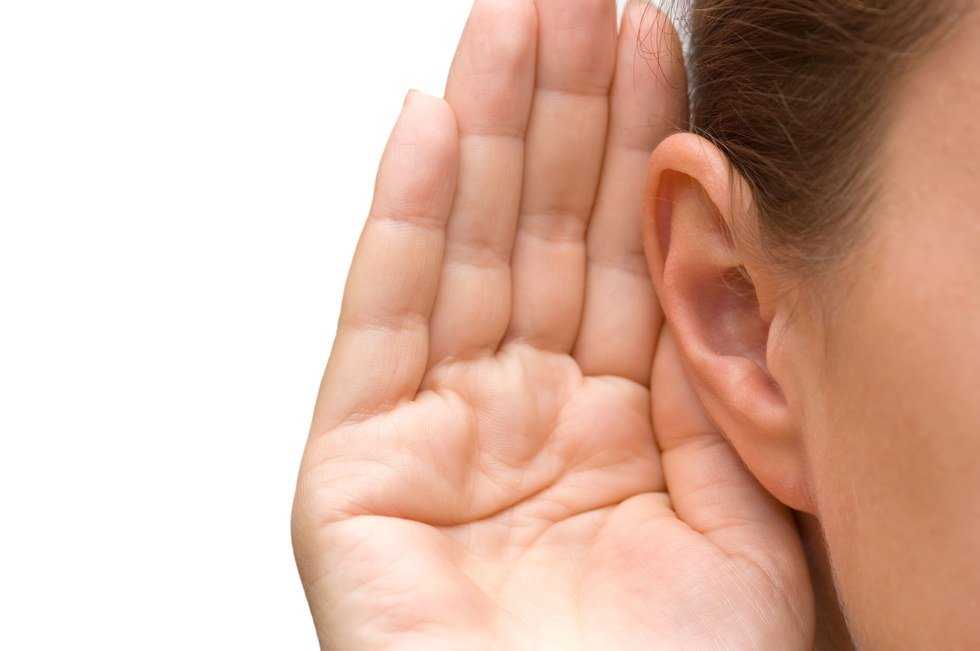
So I’m not deaf. But for a day I pretended to be for a class assignment. I couldn’t communicate verbally; I could only communicate visually or with written/typed English. The goal of this was to be able to experience the language barrier between Deaf and Hearing people.
But it didn’t feel like just being deaf for a day, it also felt like being mute for day because even if I wanted to talk to someone they would have to be patient while I typed or they just wouldn’t understand my signs and gestures.
America prides itself on being a melting pot of inclusivity and freedom, but while we hold this false belief there are still prejudices against race, sex, religion, economic and social class, and so on. Whether it is discrimination in businesses, employment, emergency care, or just generalized prejudice, discrimination against the deaf and hard-of-hearing is no exception. This particular kind of discrimination is called audism. It’s the belief that having the ability to hear is superior or normal compared with the inability to hear at all or to hear well.
In my feigned deafness, I wore earplugs for almost the entirety of the day to help muffle sounds so I experienced a bit of hearing impairment and also served as a good indicator when I showed others I was wearing them.
I didn’t want to inconvenience other people when I chose the day to do this exercise so I chose a day when I didn’t have any meetings or plans with friends. I still had a full day of classes and a shift at work, but the fact that it obstructed my normal schedule and I had to fit in acting deaf bothered me because that meant I believed there is never a good time to be deaf. I didn’t want to test others’ patience or slow them down in communicating at my expense for this assignment. This is an example of the audist society I have been accustomed to.
I found it was easier to be alone than to attempt to explain it to other people. I noticed that I kept my mouth closed most of the day to remember not to talk or utter a sound. Several friends asked if I was alright or if something was wrong because I hardly fully smiled either. The general response I got was just a lot of confusion. While one friend tried to continue conversation with me by typing and using the few signs he knew, another didn’t even try. While my bosses were very understanding, my coworker asked “How are you going to do your job?” I know it was an honest question and that she did not mean any harm by it but that was blatant audism even though my hearing was only impaired by the earplugs.
Last year, 2015, was the 25th anniversary of the Americans with Disabilities Act (ADA) which was passed to provide individuals with disabilities the rights that are given to other discriminated groups of people. A quarter of a century has passed and yet audism is still so prevalent. Deaf rights are ignored and/or dishonored frequently. Deaf and hard-of-hearing people don’t want any special attention; they simply want the same rights and access that are granted to everyone else. The problem is that ignorance on the matter still exists and people either do not know how to or are not willing to put forth the extra effort to communicate.