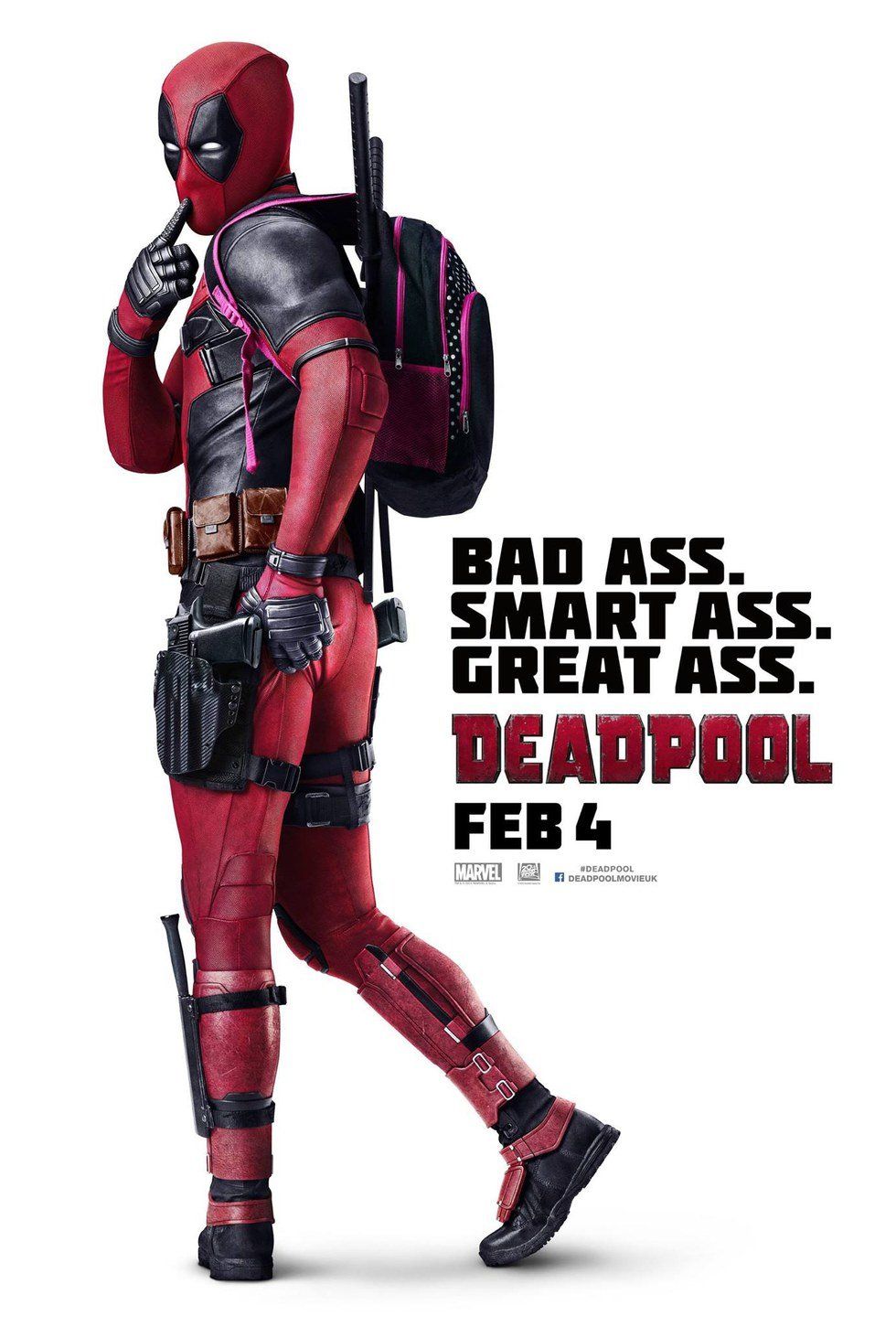
As you may have heard, a certain foul-mouthed assassin broke box office records this weekend, taking with him any notion that a superhero movie has to be peddled to a specific audience.
"Deadpool" is a rare hybrid of well-adapted existing material, innovative storytelling, and perfect timing. It's been seven years since we last saw Wade Wilson on screen, and even if you didn't know anything about the comics you knew something went horribly, horribly wrong. With his mouth surgically closed and his trademark swords sliding from scarred arms, the character felt forced and ragged and unspeakably boring.
It's a good thing Ryan Reynolds is persistent.
A loyal fan of the Merc with a Mouth, Reynolds was a huge proponent of a standalone film for the iconic character, who was created in 1991 by Rob Liefeld. It was largely through his insistence that Marvel Studios even considered giving the film a chance—thus, Reynolds serves as an executive producer on the film.
But why did "Deadpool" go so right?
It's actually pretty simple. The marketing for the film was the most straightforward campaign in movie history. The initial announcements, featuring a costumed Reynolds frankly explaining to the audience that they can't screw up the character any more than the first movie did, caused an internet sensation. "Deadpool" is, after all, known in the comic sphere for his common fourth wall breaks, potty mouth, and rampant sexual crises, all things that the Marvel Cinematic Universe has actively avoided in order to maintain their preteen through 35 target demographic.
"Deadpool" went the opposite way entirely, as he usually does. A statement was released prior to the film's premiere urging parents to leave their children at home so that they would not experience the bloody, violent action of the film. Many fans were concerned that the film would be too serious, too self-involved, especially with Kevin Feige (Marvel President) on board.
Any one of the millions who saw the film its opening weekend were treated to quite the surprise. The film functions on four main levels: not only was it horrifically violent (an opening fight scene sees a man splatter on a freeway sign), it was simultaneously funny, sad, and unexpectedly heartfelt.
Writers Rhett Reese and Paul Wernick (called "The Real Heroes Here" in the opening credits) imbue the character with a sardonic wit and boyish playfulness that is hard to dislike. "Deadpool" sees an opportunity for a joke and takes it; he doesn't force moments where humor would be unwelcome. He's crass for sure, but not by belittling someone else unless he knows they can take it ("Deadpool"l has a way with women in this movie like no other man ever has). It truly is refreshing to see real jokes, real comedy, in a movie that could have been easily overshadowed by gritty action sequences.
Another level begins and ends with Morena Baccarin, of Firefly fame, who plays Wade's love interest Vanessa. Their dynamic is one of the high points of the film. She is a fully formed female character, as nuanced and capable as Wade except for the superhuman regeneration and black ops training. It is one of the first times in Marvel history that a female character has shared so much screen time with a main character and not been expected to fight or be saved. She serves as a beautiful foil to Deadpool's suicidally narrow-minded objective of search and destroy the man who made him the way he is.
Which brings us to the soul of the film: Wade Wilson is a superhero created who did not ask to be. His continued existence as a near-immortal killer of men is in direct opposition to his actual goal of returning to Vanessa and having a normal life. Through his asides, aimed at the audience member, we learn how his mind works and how emotion really impacts his decisions -- even the destructive ones.
He never kills anyone unless they deserve it. Each kill is meant to further his objective. And, yes, he kills a lot, but there's something in the art of it that makes the movie insanely watchable. We want this disgusting, immature dirtbag to win because he represents our own selfish interests brought to light and hung out to dry. His direct approach to the fact that he is a fictional character is a huge stride forward in terms of depicting complicated characters in film, especially the ever-growing superhero genre.
A progressive film in many ways, "Deadpool" is setting the stage for some big changes in the MCU that are very exciting. Crossover possibilities, eventual sequels, and all that jazz. As long as the spirit remains the same, we could be seeing a lot of Wade Wilson in the coming years.