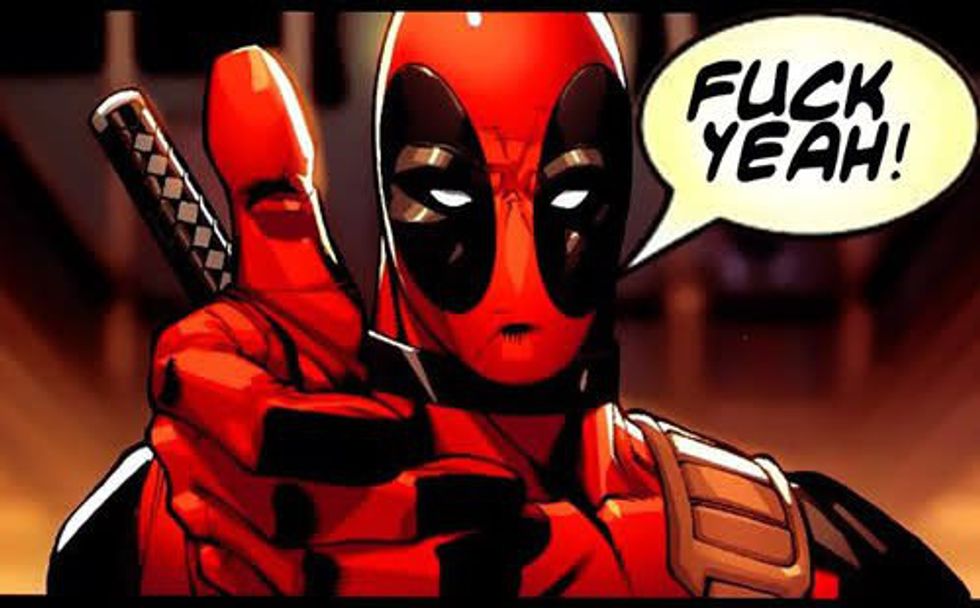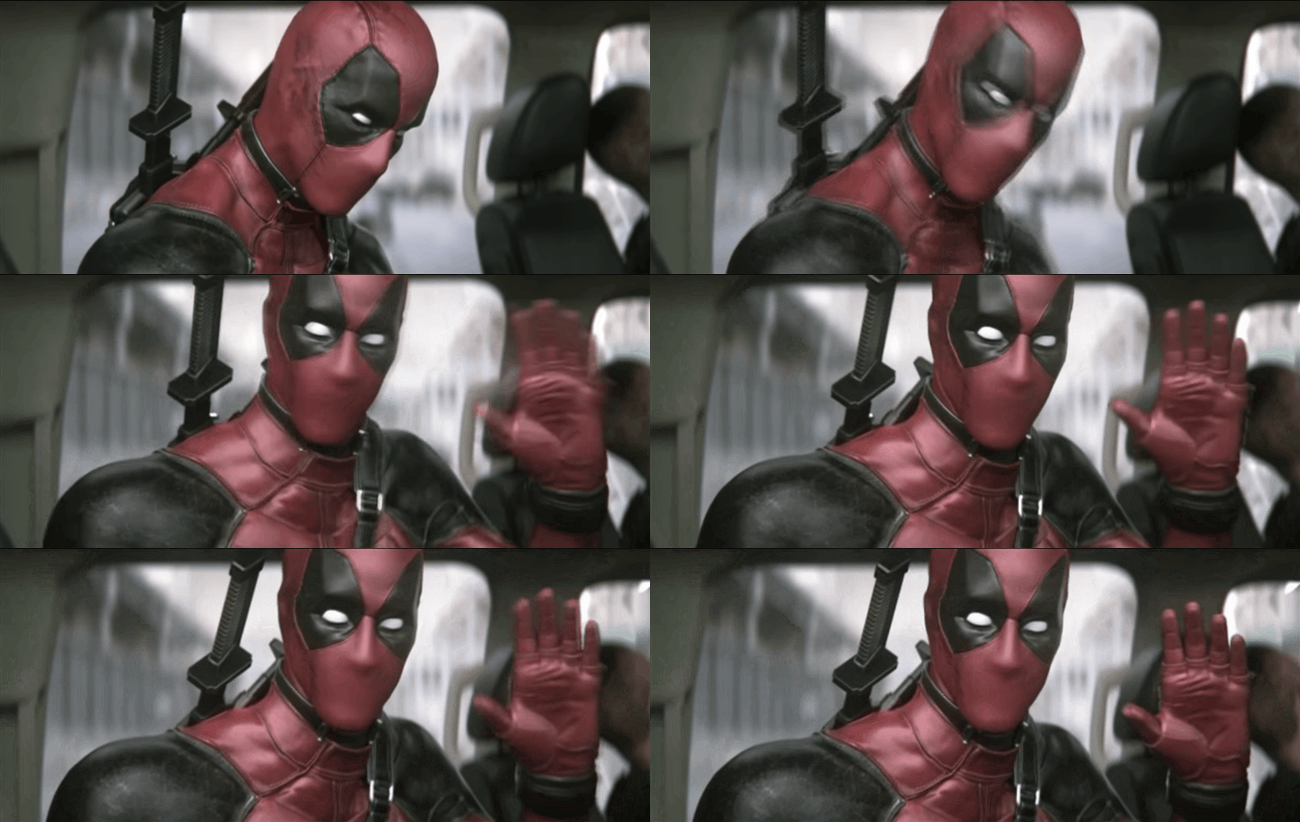
Valentine’s Day weekend has come and gone, and what's left in its wake? "Deadpool." The good old “Merc with a Mouth” is here to save the day by sharing some violent, raunchy, R-rated fun with everyone (17 and up)!
What once seemed like a terrible joke with Ryan Reynolds trying on superhero spandex for the fourth time has quickly turned into a great success with earnings of over 100 million within the first weekend of release. One reason for this film’s instant success could be due to its flawless marketing campaign, which even got the glorious Betty White to give the movie a solid four golden girls rating. So it’s pretty safe to say people love "Deadpool," but one has to wonder what this means for the comic book/superhero genre as a whole.
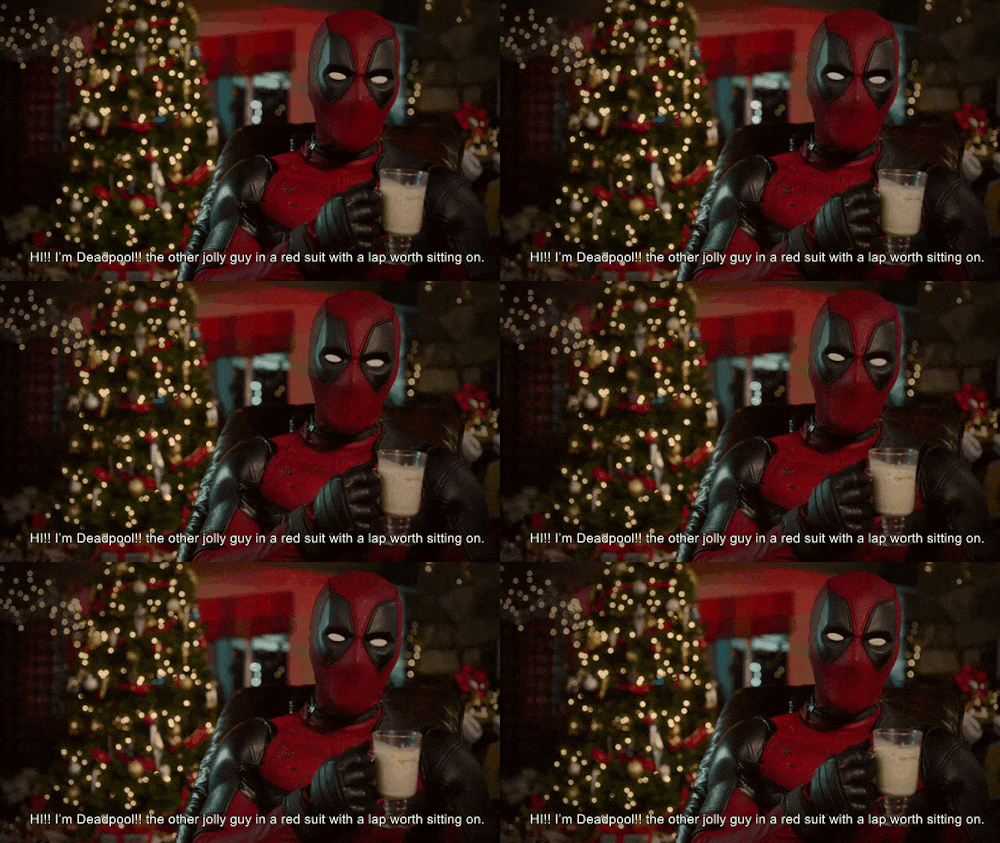
Besides future movies needing to take notes for their own marketing plans or further igniting the war between fanboys about whether all the Marvel properties should be under one roof or not, "Deadpool" serves the superhero genre in a big way—diversity.
In 2015 and 2016 we have seen and are seeing a revolution in the genre. What was first a Marvel Cinematic Universe, or MCU, dominated genre full of cookie-cutter, family-friendly fun is turning into a diverse field that sometimes isn’t for the kids. In 2015, through Netflix we saw that Marvel properties could cover adult themes such as crime wars and rape with "Daredevil" and "Jessica Jones," while now in 2016 the dark toned DC is slowly creeping on the MCU with movies such as "Batman v Superman: Dawn of Justice" and "Suicide Squad" rounding the corner. Throw in the rumors of Dr. Strange being a dark, some would say horror, film and the recent raunchy, comedic success Deadpool, and you’ve got genres within a genre.
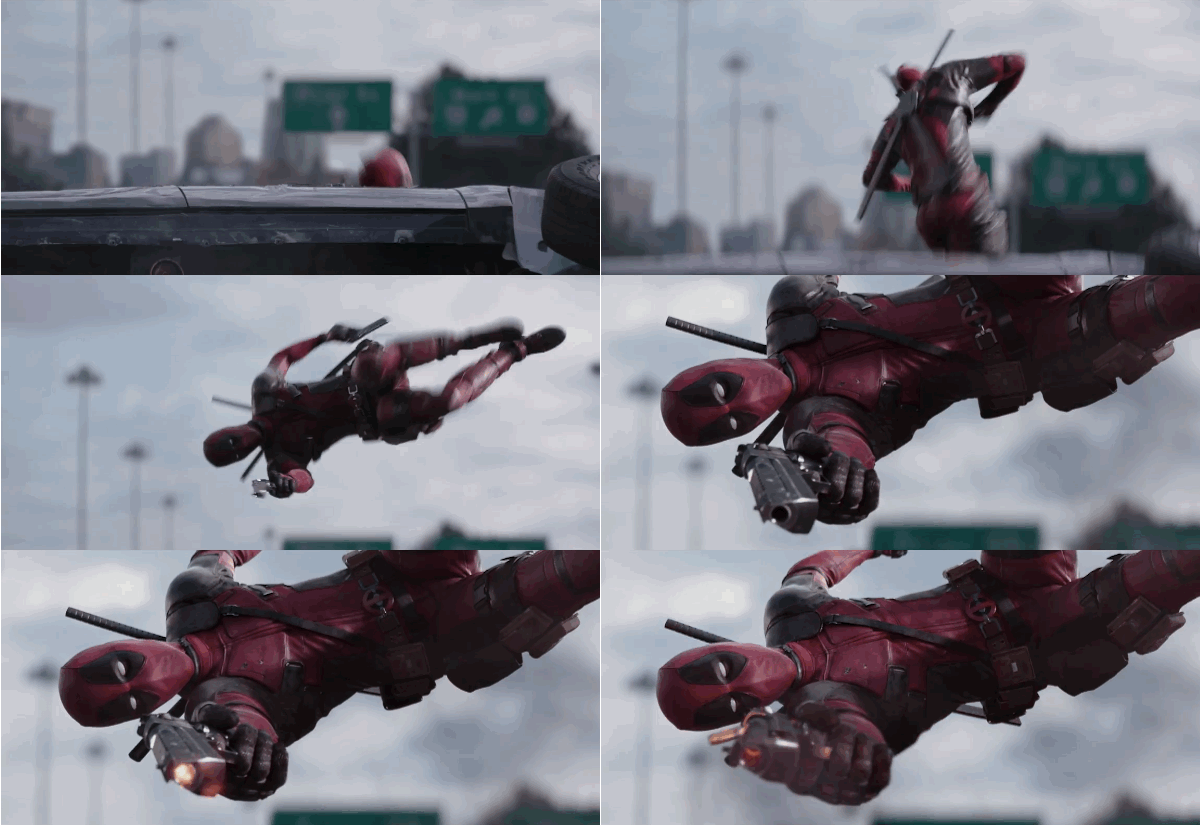
So what’s the point? Why does all this matter? If the comic book/superhero genre wants to continue and thrive for many more years to come it needs to evolve. Superhero movies need to be able to take risks like some of the earlier stated properties have in order to enrich the genre. While the family fun superhero movies are great, they won’t last if that’s all we see seven times a year. We need the diversity and complexity of some properties that are fundamentally different. We need some movies that are comedic or horrific or action packed, and some that take a deeper look at mature issues such as rape or death. What’s great about "Deadpool" isn’t the movie itself, but what it could mean for future movies. If "Deadpool" can be R-rated, raunchy and graphically violent at times and still perform well at the box office, then it's leading the way for more risky movies like it to follow.
At the end of the day, Deadpool’s a hero. He may not be a goody two-shoes like some other Fox owned superhero property, but he sure knows how to save the day.