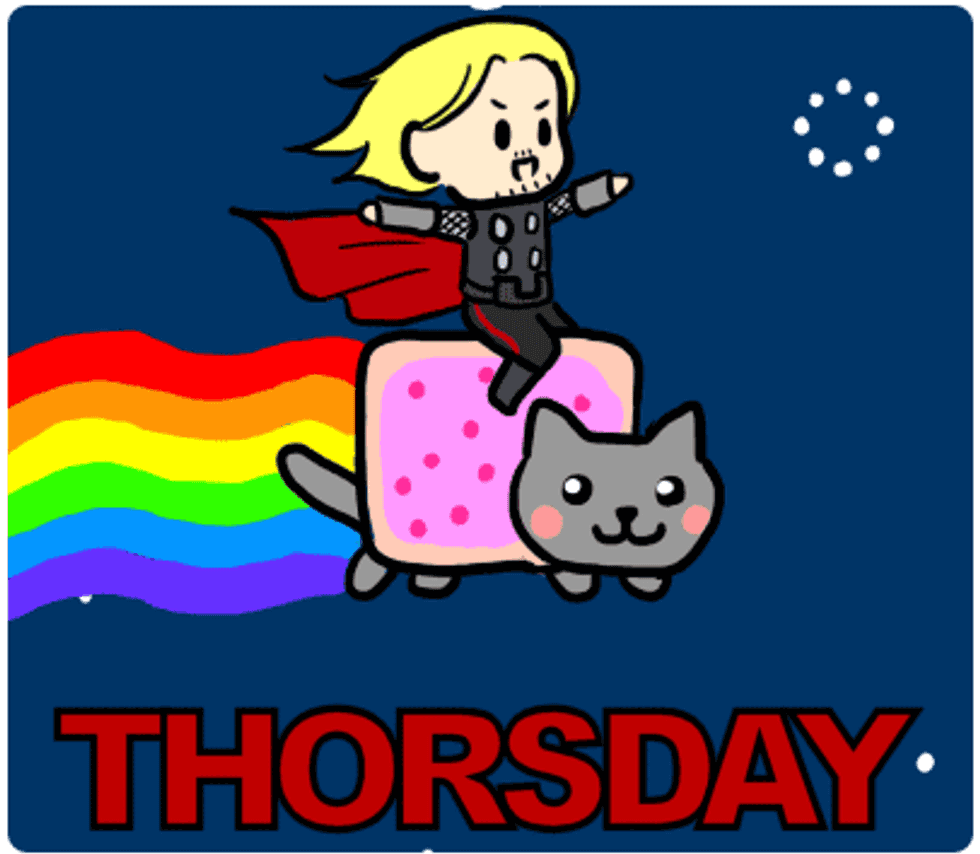
Monday. That day of the week that everyone on the planet hates. Nothing ever seems to go right on a Monday. Hoping for light travel on the road to work? There’s a wreck up ahead and you’re stuck in stop and go traffic for a while. Trying to down your morning coffee real quick so you can avoid being a zombie all day? Oops, turns out your shirt wanted the coffee more than your mouth did. Have you ever wondered, though, where the name of your least favorite day came from? You might be surprised to learn that quite a few myths were involved in the days’ naming process.
Below, I’ve made a list that states the names of the days of the week and their origins as well as a brief backstory for the god the day is named after, if one is available.
1. Saturday
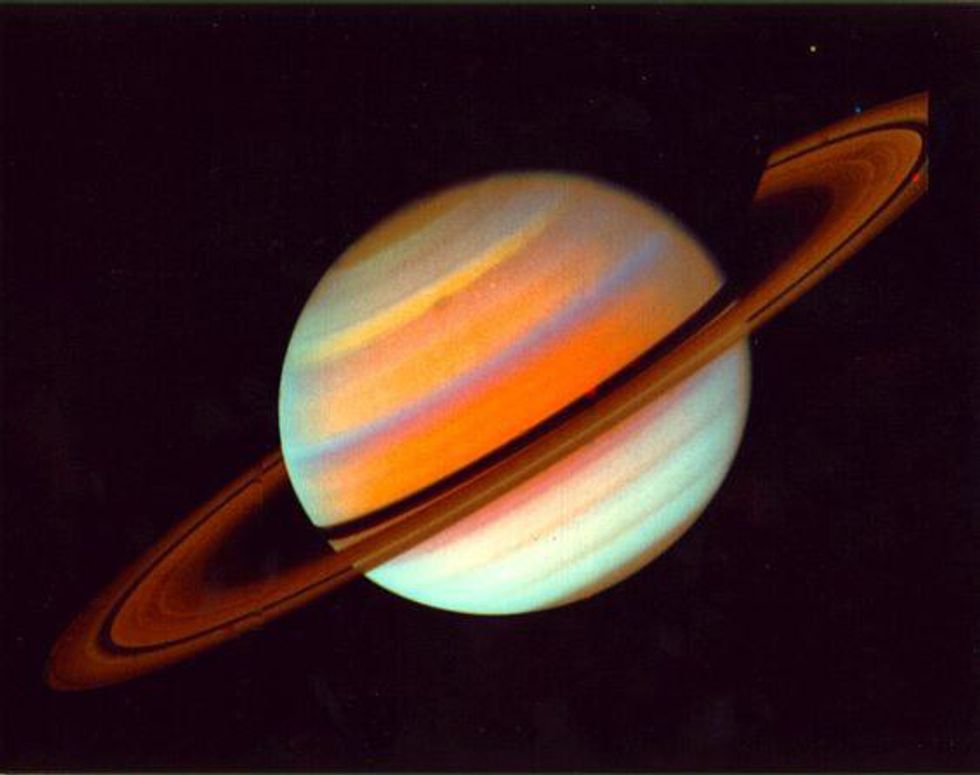
Original Greek: Hemera Khronu – day of Cronus.
Roman Latin: Dies Saturni – Day of Saturn (Saturn’s day)
2. Sunday
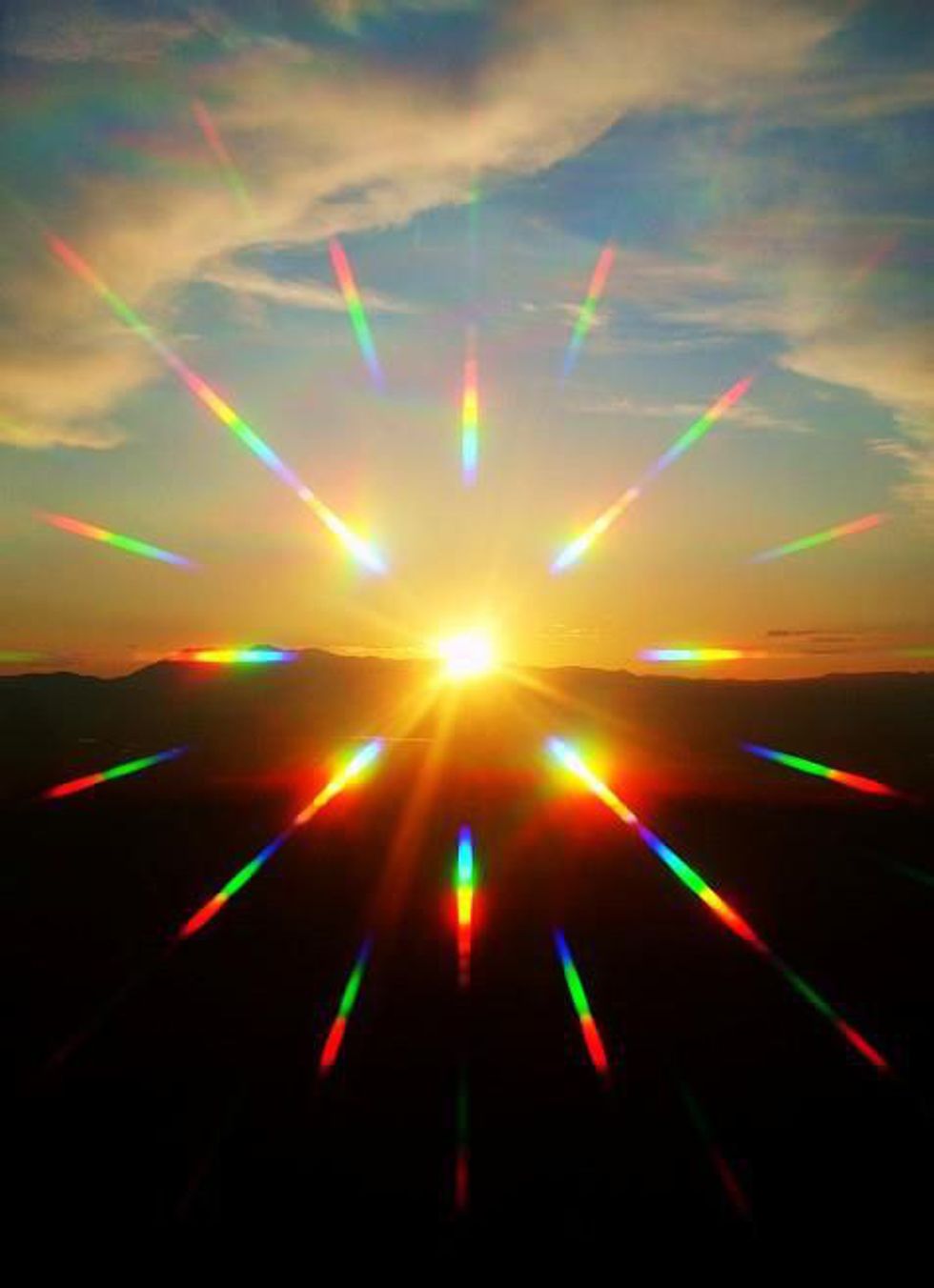
Original Greek: Hemera – Day of the sun (Sun’s day)
3. Monday
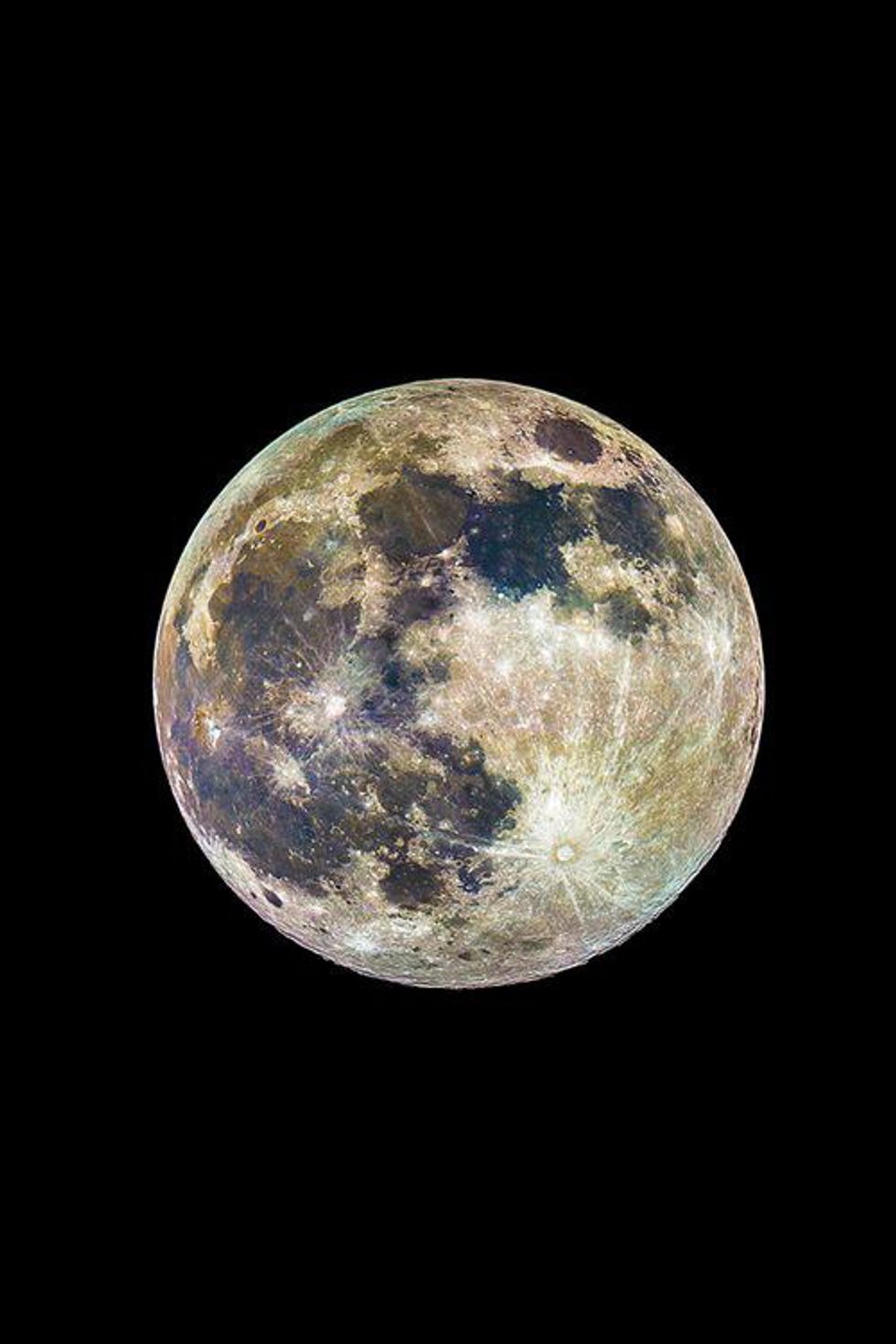 Original Greek:
Hemera Selenes – Day of the moon (Moon’s day)
4. Tuesday
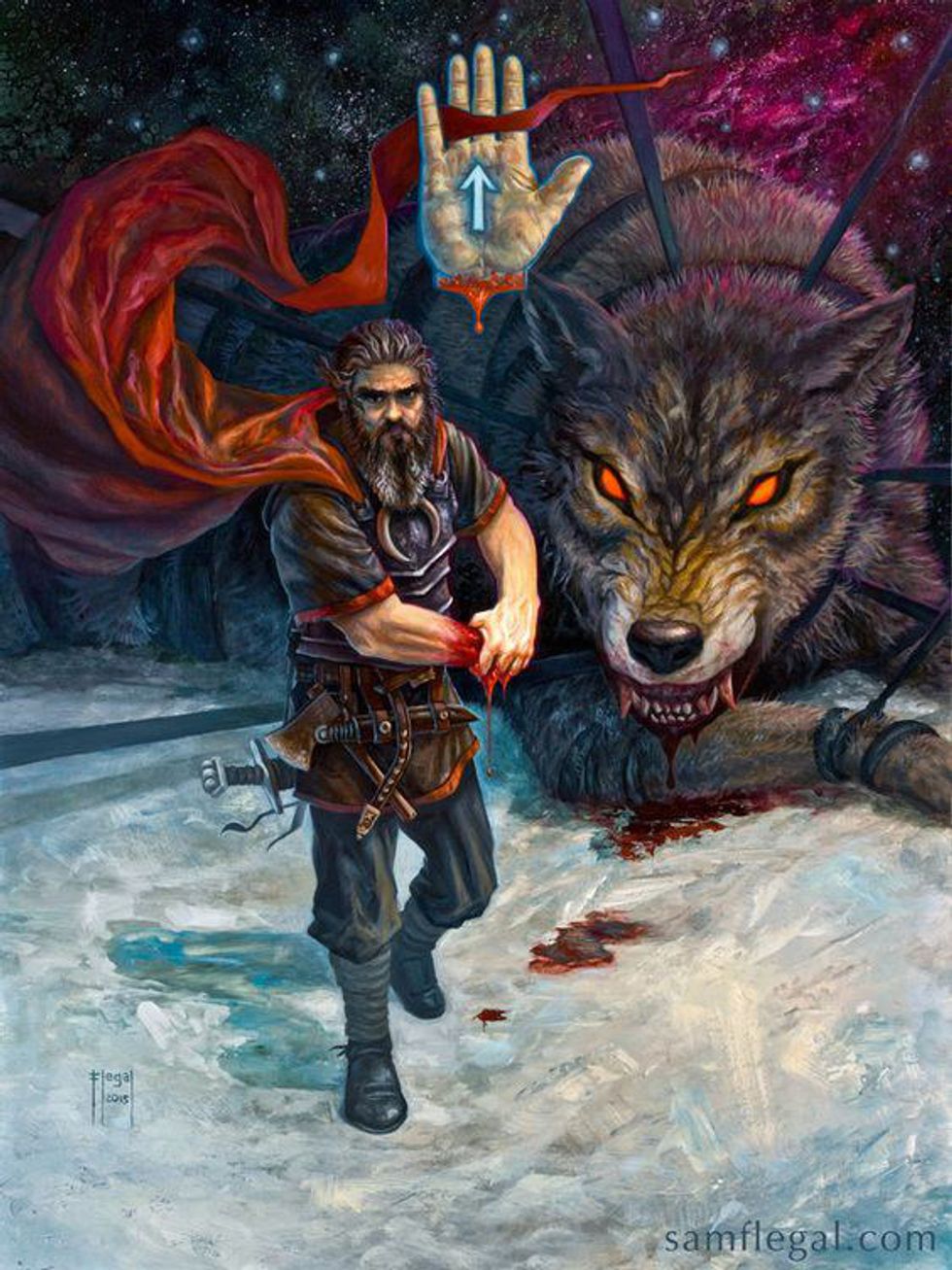 Original Germanic: Tyr’s day (Later translations changed it to Tuesday)
Tuesday comes from the Norse celebration of one of their war gods – Tyr- who is best known for his bravery. According to myth, when Fenrir (a huge, malignant wolf that made the Norse gods fearful) was to be chained up, Tyr placed his sword-wielding (right) hand into Fenrir’s mouth as a vow that if the chains, which Tyr was wrapping around him, did not break then Tyr would lose his hand. Fenrir tried in vain to break the chains and in his anger he chomped off Tyr’s hand.
Thus, Tuesday was created to recognize and celebrate the god’s bravery and commitment to keeping his friends and people safe.
5. Wednesday
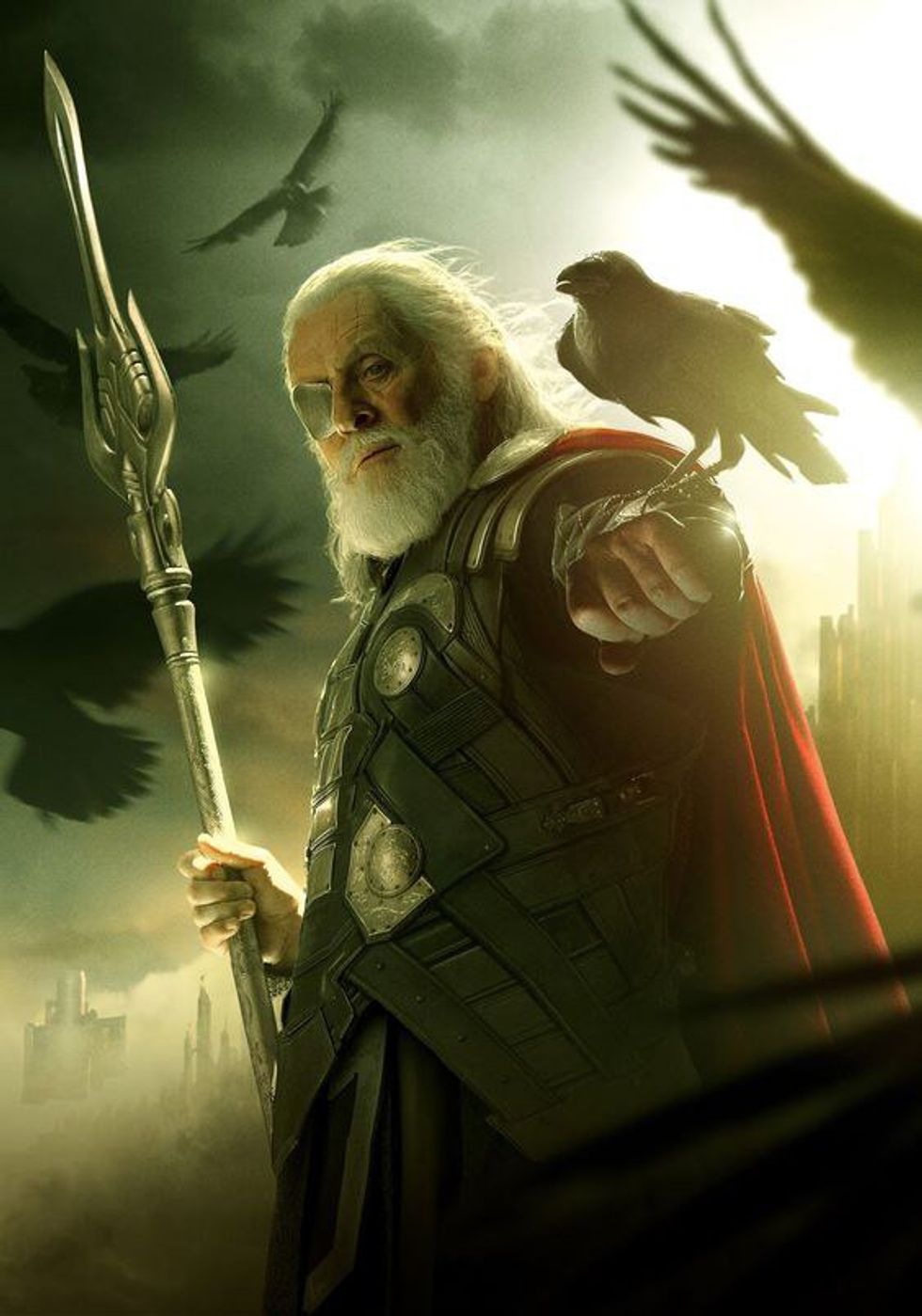
Original Germanic: Odin’s day (Later translations changed it to Woden’s day and then Wednesday)
Wednesday comes from the Norse (also known as the Vikings) celebration of the Allfather (chief god) Odin. Myth states that Odin sacrificed his right eye to drink from the well of knowledge that lies at the base of Yggdrasil (the life tree that holds all the nine realms together) to gain the proper wisdom to rule over Asgard (realm of the immortal gods) and the other realms, including Midgard (Earth).
Wednesday was created to celebrate Odin and his determination to be a fair and just ruler.
6. Thursday
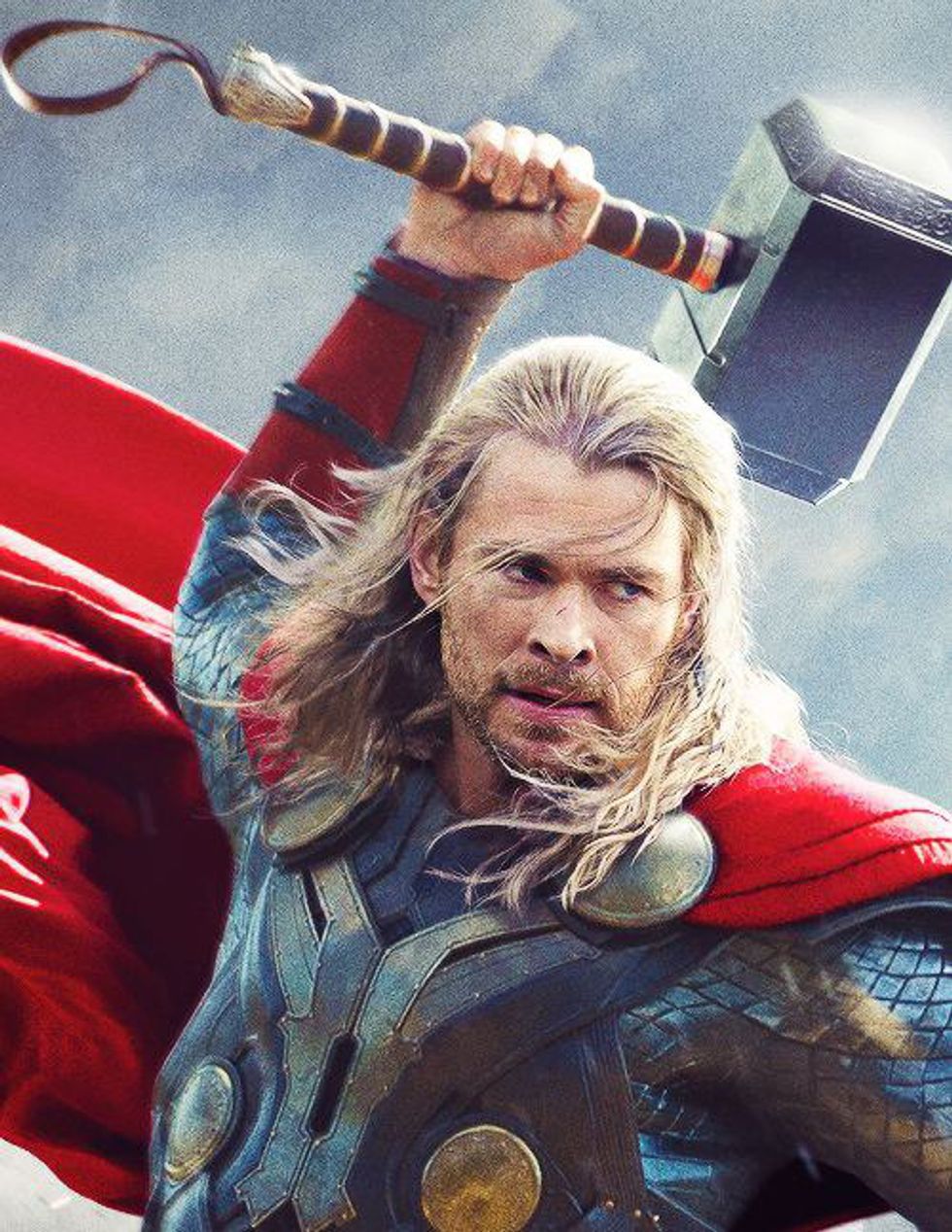
Original Germanic: Thor’s day (Later translations changed it to Thursday)
I know what you’re thinking and no, Thor is not just some awesome superhero. He was also a Viking war god. In myths, whenever Thor brings his hammer down on one of his enemies it creates lightning. He’s also responsible for the loud rumbles we hear during storms because he’s traveling across the sky in his thunder chariot. What Thor is most renowned for is defeating the Midgard serpent during Ragnarok (the end of the gods).
Thursday was thus created in order to celebrate and thank Thor for his sacrifice to keep earth safe.
7. Friday
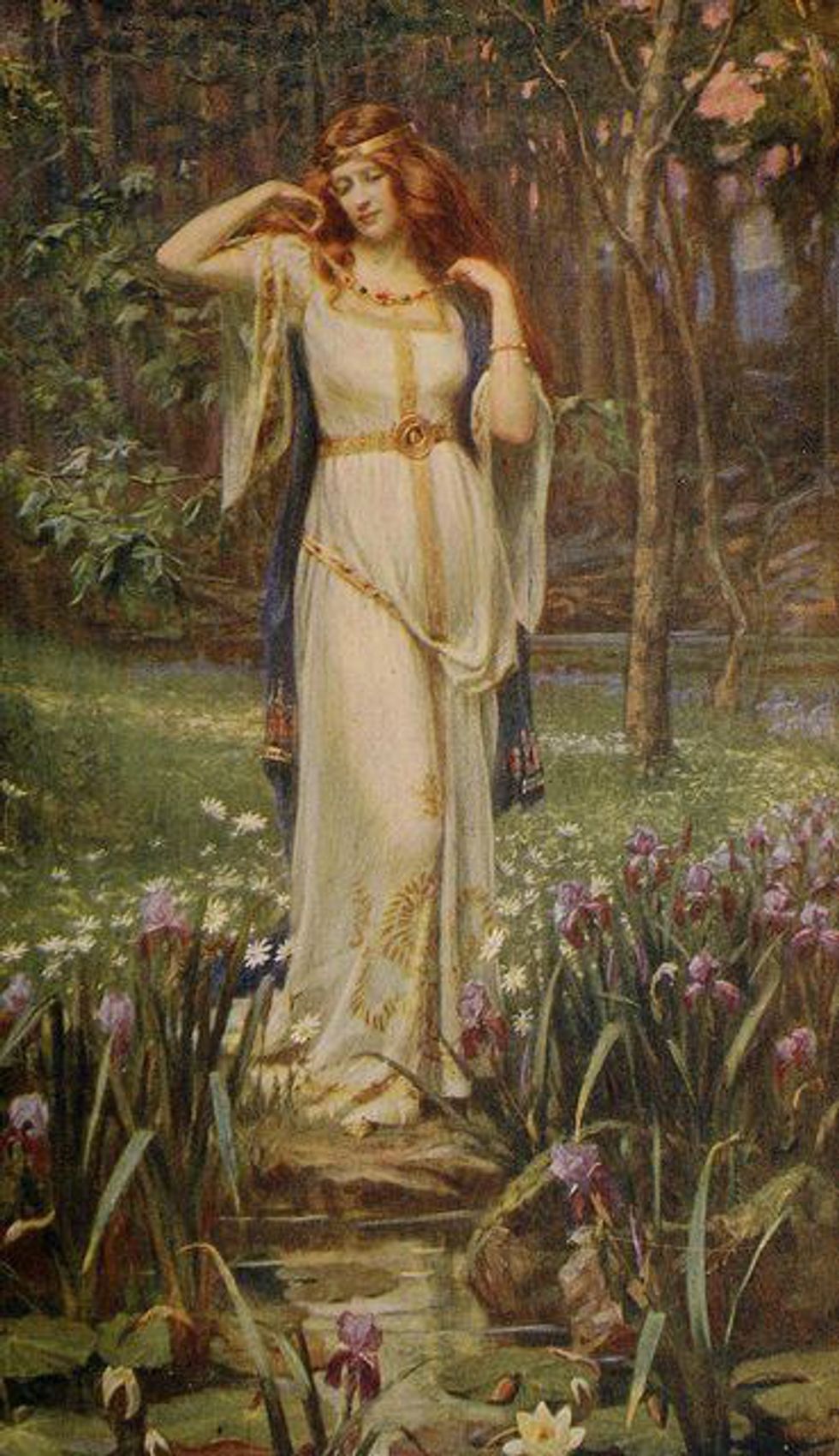
Original Germanic: Freya’s day (Later translations changed it to Friday)
Freya was a Norse deity known for her beauty, ability to see the future, and her nearly insatiable sexual appetite. According to one myth, Freya walked into a cave one day where four ugly dwarves were living. These dwarves were master craftsmen and they had just created a necklace more beautiful than any in existence. Freya saw it and wanted it and begged the dwarves to give it to her. They agreed but only on one condition: Freya must spend one night with each of them. To make a long story short, Freya got the necklace and Odin found out and was angry with her. He had her necklace taken from her and she only got it back after she agreed to start a war on Midgard.
Despite getting into trouble here and there, Freya was everyone’s favorite because of how beautiful she was. Needless to say, it’s no wonder that the most beautiful day of the week was named after her.
Now you know where the days of the week get their names. So, if you’re ever asked or hear someone wondering where the days get their names, you have some fun stories to share with them. Hope you keep them all in mind during the week when you’re waiting for Freya’s day to arrive.