


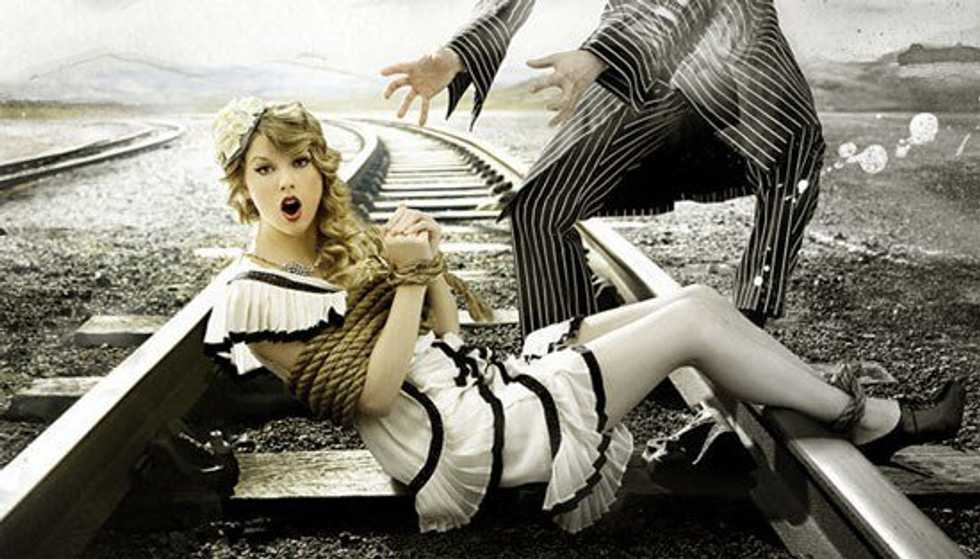
Recently, Stephanie Meyer released her gender-switched version of her famed book, "Twilight" called "Life and Death, Twilight: Re-imagined." The main premise of this book is the same as the original, except, of course, the roles are reversed. For example, Edward is now called Edythe and Bella is now Beaufort. In an interview with "Good Morning America," Meyer revealed that her reasoning for the gender-bender is because her readers saw Bella as the typical damsel in distress, something Meyer didn’t especially like. But despite the push for a feminist movement in all areas--including jobs, wages and equal representation in the media--female characters in literature continue to be oppressed by the role of the damsel in distress.
Going back to Stephanie Meyer’s book, Meyer’s intentions of breaking the female stereotype in Twilight completely falls apart in her new rendition of the book. Although I will not get too much into detail of her faults, they are clearly depicted in this Buzzfeed article.
Another book that has been under fire recently is E.L James’ erotic romance novel, 50 Shades of Grey. The terrible dialogue set aside, this series exhibits a scenario of every woman's fear: an abusive relationship. Although it is extremely romanticized, experts are in agreement that the relationship between Anastasia Steele and Christian Grey exhibits the typical signs of abuse.
Dr. Amy Bonomi has done extensive research and goes into explicit detail of a typical abusive relationship utilizing 50 Shades of Grey as examples including Anastasia's loss of identity. Books like this are so toxic to society, specifically to young women, because they tell this particular audience that it’s okay to stay in an abusive relationship, that we should aspire to relationships similar to the ones depicted in 50 Shades of Grey and Twilight.
The submissive damsel in distress character role is depicted in more pieces of literature including Thirteen Reasons Why and the classic, Pride and Prejudice. However we have even more female stereotypes in literature such as the love struck teenage girl whose main mission is to find a boyfriend by the end of the summer.
Yeah, I’ll admit, I am a huge Sarah Dessen fan and I love myself a good disgustingly romantic book. However, as someone who loves Young Adult fiction and hopes to one day write my own Young Adult novel, these stereotypes, character roles, and personalities are bland, boring and overdone. Although Hermione Granger from Harry Potter is also debatably flawed, she is a female character who does not actively pursue a romantic relationship in every Harry Potter book. She's smart, funny and has multiple dimensions to her personality. Adolescent girls need this type of variety in their life: they need the outspoken, studious and adventurous role model to look up to.
















