

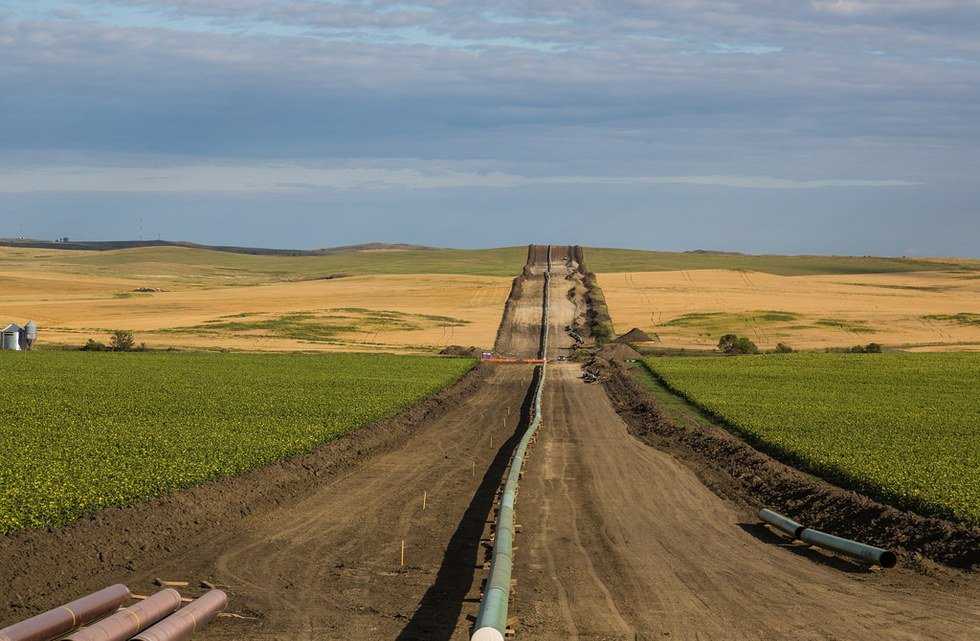
There is good and bad news for the water protectors on the front lines of fighting the Dakota Access Pipeline. The good news is that President Obama is exploring options for rerouting the pipeline to alleviate some of the concerns of the Standing Rock Reservation and their allies all over the country and world.
The Dakota Access Pipeline, which has faced heavy opposition throughout the last few months, is planned to cross over a thousand miles and cover four states, transporting oil from North Dakota to Patoka, Illinois. Those opposed to the pipeline, specifically citizens of the Standing Rock Sioux Reservation, have adamant concerns over the current path.
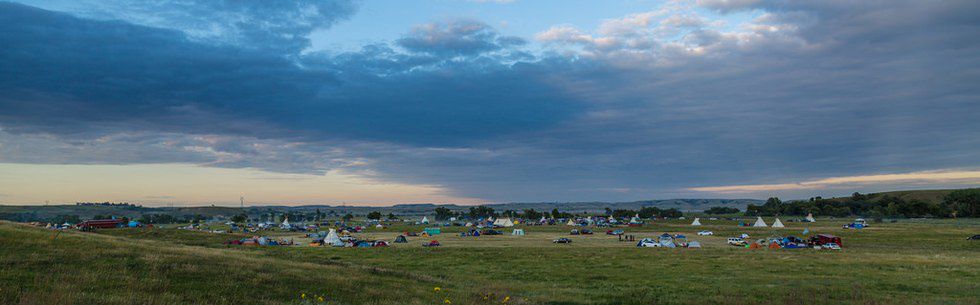
The pipeline is proposed to cut through the Missouri River twice, and the Little Missouri River as well as a reservoir close to the Sioux Reservation. President Obama has urged both sides to remain peaceful throughout the rise in tensions after hundreds of protesters have been arrested since August and militarized police have occupied the site.
Water protectors have faced rubber bullets, pepper spray, and tear gas. Observers from the United Nations are monitoring the situation to assess human rights abuses toward the protectors. Abuses to be reviewed include the use of excessive force, poor conditions in jails, and unnecessary arrests following military-type raids.
Primarily, the pipeline was supposed to cross the Missouri River north of Bismarck. This route was rejected for a few reasons. First of all, it would have required several more miles of pipeline. It was also thought to be a threat to municipal drinking water, though located 10 miles from Bismarck yet still thought to have the heaviest impact in the event of a leak. The alternative was to place the drill platform about half a mile from a water source and Sioux Reservation.
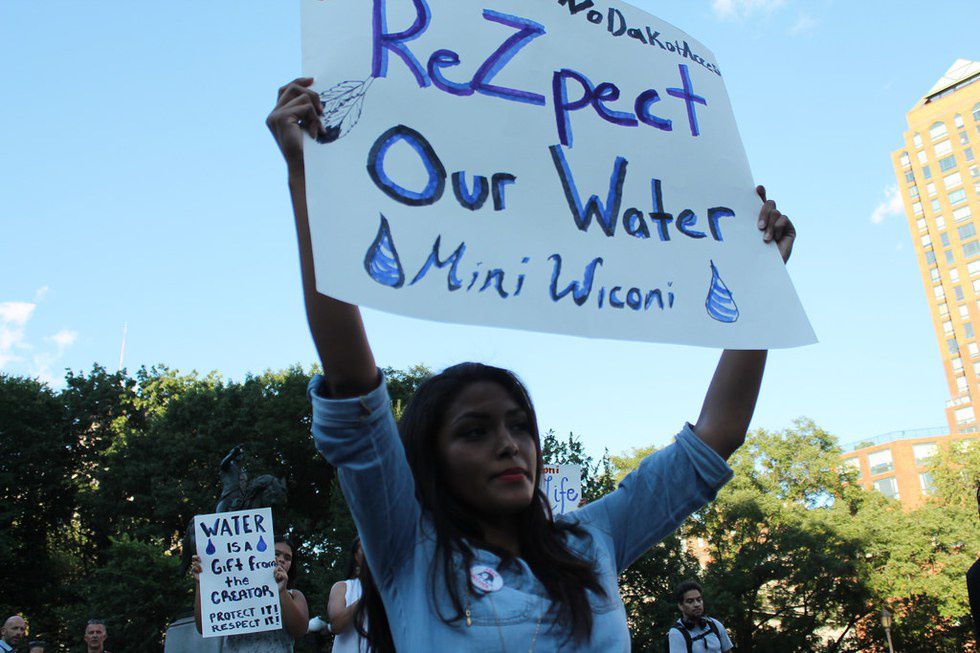
Dave Archambault II, Standing Rock Sioux Chairman, has stated that the tribe "does not oppose oil pipelines if they do not threaten water sources" and if they are not located on sacred land located within such close proximity to the reservation. The bad news is that a reroute is not likely.
This does not mean that those in opposition should stand down. It does mean that all parties will have to reach a compromise fairly quickly. A reroute would cost more to build and prolong construction, but would also be a display of willingness to protect our water while addressing the concerns of the Native American community and their allies in opposition to the pipeline's current route.
In fact, the Standing Rock Sioux are willing to compromise. They do believe in a path that does not put their water at risk and are open to reaching this agreement. The Army Corps of Engineers will have to review an easement by the Dakota Access company before the company can build near Lake Oahe. A joint statement by the Department of Justice, Department of the Interior, and the Department of the Army calls for a voluntary halt on construction within 20 miles of the lake. So far, there was no halt.

Hopefully, within the coming weeks, a compromise will be reached in order to protect the water and sacred lands for the Standing Rock Sioux Tribe. Here are several sites dedicated to giving you the resources to stand with Standing Rock:
Stand with Standing Rock
Official Go Fund Me
Call the White House at (202) 456-1111 or (202) 456-1414
White House Petition