The World Health Organization (WHO) has stated that Cuba has eliminated mother-to-child transmission of HIV. It also praised Cuba on its prioritization of its healthcare towards mothers and newborns so that the epidemic can be stopped. Less than 2% of babies born to positive mothers carry the disease, which is the lowest rate possible. The head of Cuba's national HIV/AIDS program, Maria Lantero, says that the country's universal healthcare allowed them to reach everyone and help them prevent the spread of disease.
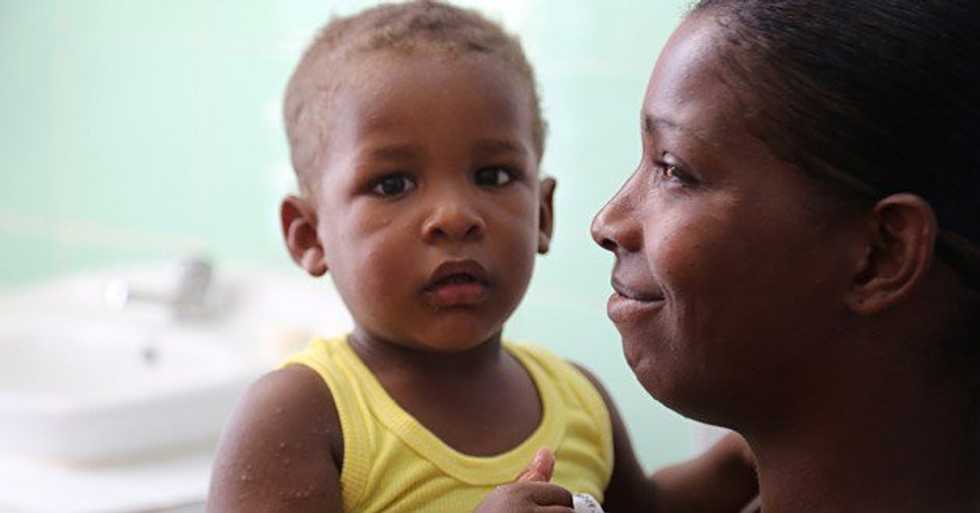
How did Cuba do it? When Yunaisy, the woman who gave birth to a healthy child, found out she was positive for the HIV virus, she still wanted to have a child. After she discovered that she was pregnant, she continued to see doctors in order to give her baby the best chance of a virus-free life. According to WHO, the doctors prescribed antiretroviral therapy and helped Yunaisy schedule a caesarean section. After the baby was born, he was placed on medication and had follow-ups until he was 18 months old. His mother also followed advice to not breastfeed her newborn when it was linked that breast milk can transmit HIV.
It is estimated that more than 2500 women between the ages of 15 and 49 live in Cuba with the HIV virus, and now they can bring a child into the world with a great chance that their child will not be born with the same illness. They take advantage of their free health program, heading in for at least 10 prenatal check-ups and free testing. Lantero also states that they offer testing while pregnant and give information on preventing diseases. Family planning and access to condoms also help. Cuba's system also allows for free medication to help prevent and treat HIV. WHO shared the statistics that around 98% of pregnant women and 100% of exposed babies received treatment in 2013. Not only that, but they keep the diagnosis confidential, in case the infected person doesn't want anyone to know.
The process of becoming validated was hard. It included a country report on the status of not only the transmission of HIV, but also congential syphillis. Indepedent experts went to Cuba to review the process and then a global validation committee confirmed the elimination.
What does this mean? If this treatment can be used around the world, then within several generations, HIV can be extinct. Each baby has a slight chance of contracting the virus, but it's so little that HIV positive mothers can safely give birth. The hard part is getting the medication and the resources to HIV positive people and stressing the seriousness of following doctor's orders.