
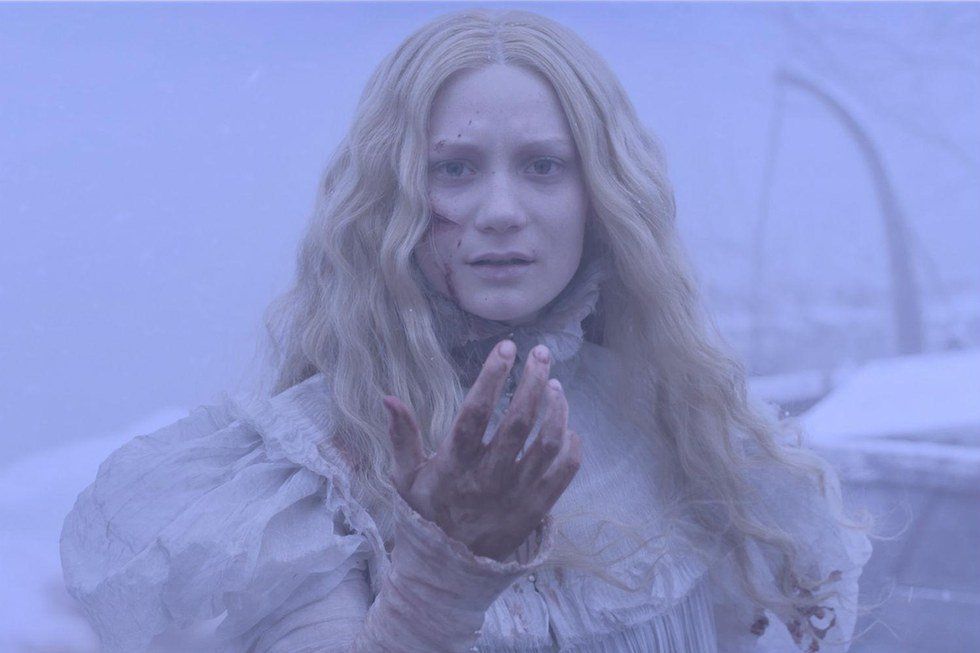
“Ghosts are real. That much I know.” The opening line to legendary director Guillermo del Toro’s latest film, "Crimson Peak," is ripe with promise for an engaging, terrifying film in the likes of "Pan’s Labyrinth" and "The Devil’s Backbone." However, what results on screen is a strange amalgamation of multiple genres that just don’t seem to click, slightly masked by the Gothic beauty of del Toro’s traditional visual genius.
The film opens with the portrayal of protagonist Edith Cushing, an aspiring author who meets Sir Thomas Sharpe, an aristocrat and inventor who has come to town to share his ideas with her father, a wealthy businessman. Edith and Thomas quickly fall in love and are married, and Edith travels to England to live with Thomas and his sister Lucille in a decrepit, yet beautiful mansion atop a hill. Edith later learns that the hill is called “Crimson Peak” due to the red clay on the ground which creates the illusion of a blood-soaked landscape.
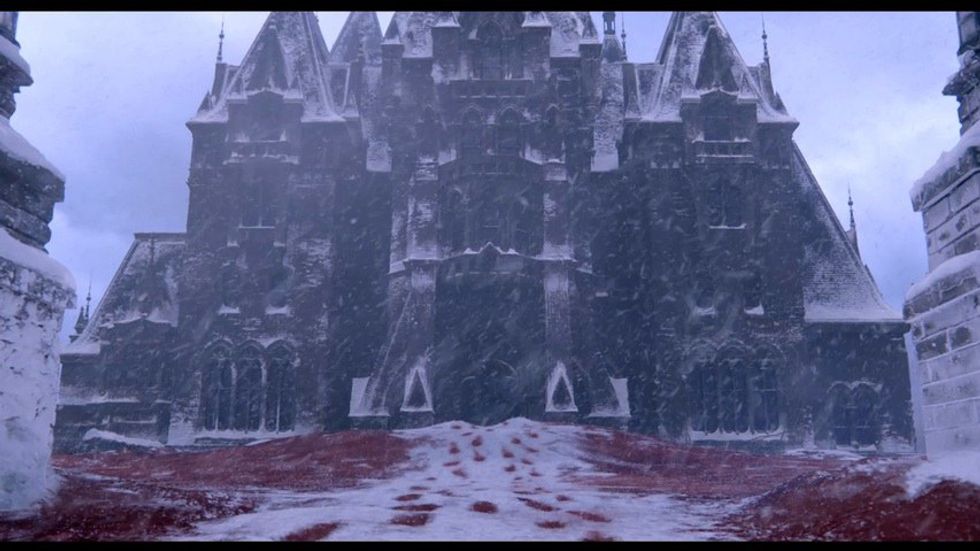
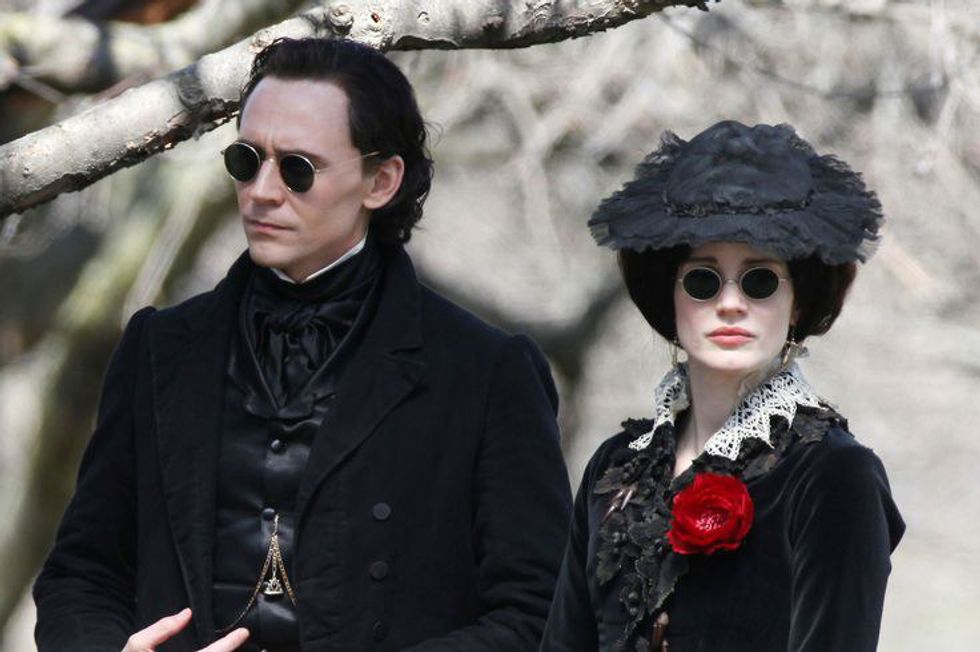
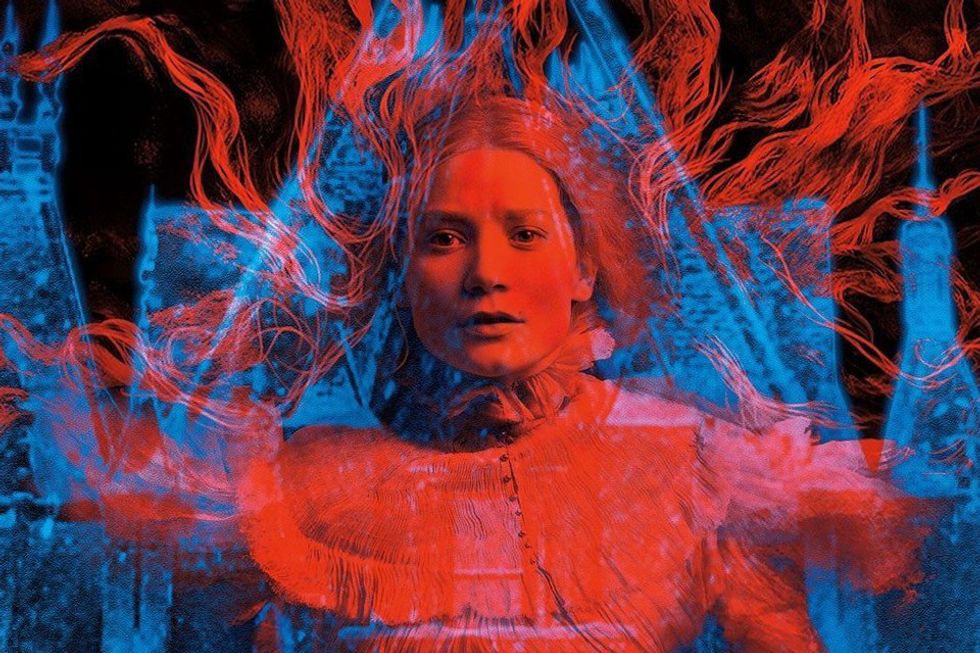
The film literally drips with macabre elements, from the red clay seeping up through the white snow to the dark, velvet attire of the Sharpe siblings and the flowing red figures of the ghosts Edith encounters. In this aspect, del Toro hits the nail right on the head –- he meticulously, yet eloquently crafts his scenery to create an otherworldly aura that makes the viewer believe in the ghosts and mysteries that exist there. Unfortunately, this is where the magic ends -- the mysteries and themes developed in the plot line seriously lack in complexity, creating a gap that the film can’t quite bridge.
This is particularly surprising given del Toro’s reputation for incorporating supernatural elements into engaging plot lines. By intertwining a twisted Gothic romance story with a ghost story in "Crimson Peak," del Toro did develop a foundation with which to introduce a multitude of themes to enhance both story line and emotional impact. What appears on screen, however, makes only paltry use of each thematic element. Fragments of a passionate love story, a haunting psychological thriller, and even a slasher movie all appear in the film, yet remain stagnant and undeveloped, crashing at the end with the rest of the predictable plot line. Edith and Thomas are supposed to be madly in love, yet Thomas neither seduces nor shows affection for her, while Edith remains oblivious to any of his real wants and desires. Edith frequently encounters ghosts and eventually discovers Thomas and Lucille’s sinister motivations, yet aside from shedding a few tears fails to display any sense of true primal fear until the final moments of the film. The scenes with blood and gore are entertaining and visually fascinating, but we never really find ourselves able to relate to the emotions of Edith or the other characters.
That said, not all is lost for "Crimson Peak" – it does stand on its own among a smattering of found footage horror films which these days seem to have become the norm for thrillers. Its visual and thematic elements are stunning and certainly demand a second look despite the floundering plot line. Hopefully, filmmakers and moviegoers alike can look to the more promising qualities of "Crimson Peak" as an inspiration for a revival of Gothic film in a modern age.