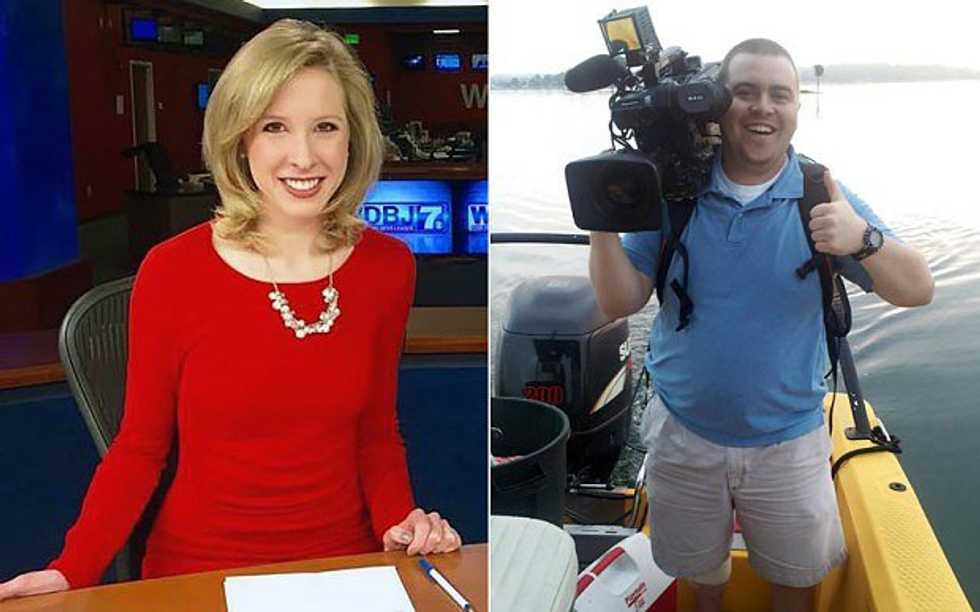
In the wake of the slaying of two Virginia journalists who were gunned down by Vester Flanagan, a former TV journalist in Roanoke, attention has been focused on gun violence and the cost of maintaining our current firearm regulations. A conversation of this nature seems natural after such a horrific pair of on-air murders.
Yet, instead of a logical discussion over gun control, social media has been littered with conspiracy theories. A supposed false flag hoax, conspiracy theorists claim that the shooting was staged in order to drum up support for gun regulation. Conspiracy theorists have labeled the event a setup, from the shooting itself to the following interviews with family members. They’ve called the victims’ family members paid actors who are pawns placed in order to shift political support.
The problem with these claims is they’re no longer viewed as nonsensical or far out. Especially due to the rise of social media, these claims have spread through YouTube and Facebook like wildfire. It’s all too easy for people to hit the “share” button and further perpetuate these harmful posts.
People formulating conspiracy theories instead of addressing the real issue only exacerbates the problem.
It’s necessary to have a discussion about violence after an event such as this, but that doesn’t mean the only solution has to be gun control. These murders shed light on a multitude of issues outside of gun control, including mental health, workplace behavior, and prior indications of violence, to name a few. What’s dangerous is when debate over the real issues are neglected as people turn to accusations claiming an inside job.
People are free to believe what they will, but it’s troublesome to see multiple Facebook friends, whom I normally would consider sensible people, share or even just acknowledge the validity of these theories mainly because they’re against gun control. Opposition to gun regulation is okay, even after something tragic like this, but buying into the rhetoric of conspiracy theorists does a huge disservice to those who are genuinely trying to prevent further casualties in addition to exacerbating a scary, spreading notion that the victims are working against “us.”
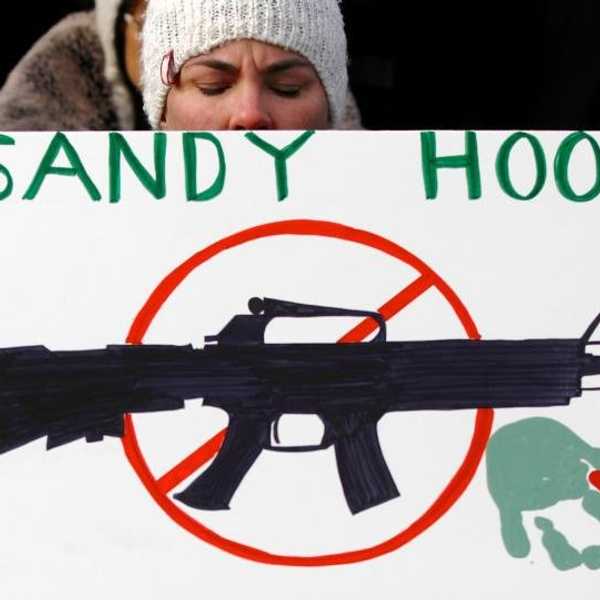
As an aside, it doesn’t make much sense for these murders to be a government inside job, either. Not that this event wasn’t tragic, but comparing it to other gun-related tragedies like Sandy Hook, it’s not exactly the most heinous in recent American history. Plus, after Sandy Hook, gun regulation was hardly amped up and guns certainly weren’t taken away, so why would this be any different or change anything?
The answer is that conspiracy theorists such as these eagerly do what they can to turn an obvious issue tied to these tragedies—gun violence—into something that’s undebatable in an attempt to circumnavigate the true problem at hand. Whether or not someone supports gun regulation is one thing, but ignoring that it’s actually an issue is extremely dangerous because it gives way to excusing violent behavior and cripples the arguments that need to be had to achieve a solution to America’s gun problem.
Let’s talk about what we can do to help prevent further gun-related tragedies instead of pretending that the issue is government conspiracy.