Live music can be a lot of fun. But are you getting the most that you can out of your experience? Have a pen ready, the following article will cover the different types of venues, what to expect, and how best to prepare yourself for the show.
Small Venue (Indoors)
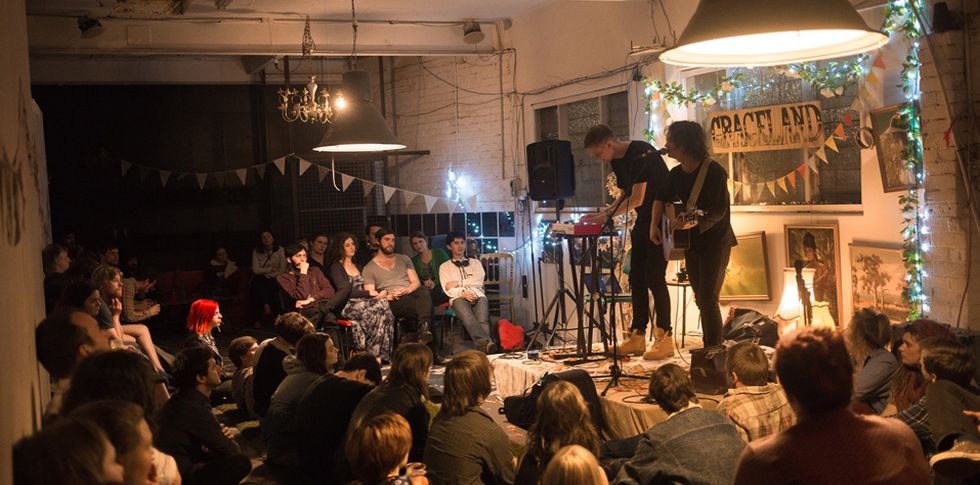
What Falls in This Category: Some higher-capacity bars, anything that can house up to 200.
Who Plays Here: Local or up-and-coming artists. Typically indie, but can be other genres. Notable Examples: Saint Motel, Cayucas.
These events are typically for the late crowd. The artists often play after 9 p.m. or 10 p.m., and may not even be the main attraction for friends out on the town. Preparation is simple: Wear what you would if you were just going out for the night. The atmosphere is usually relaxed at places like these.
Concert Hall/Theater (Indoors)
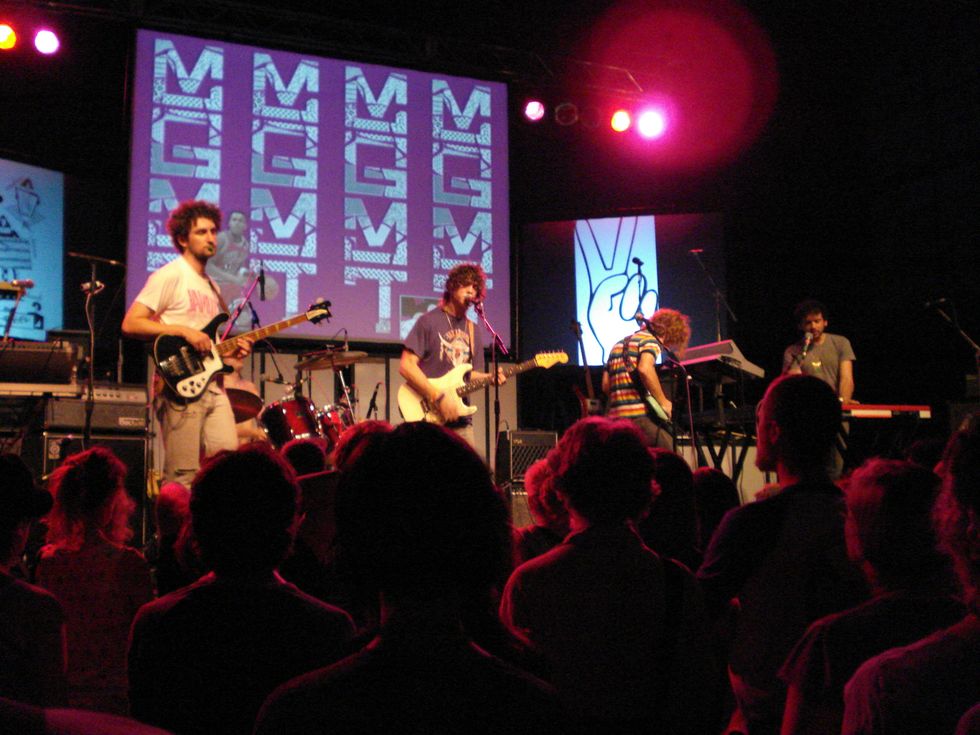
What Falls in This Category: Larger, strictly performance-oriented developments. Attendance on a show night can be between 500 and 7,500 depending on the act and the venue size of course. Notable Examples: Webster Hall, Apollo Theater, Electric Factory.
Who Plays Here: Artists with wider recognition, yet who are still fairly underground. The more prominent musicians may also have a supporting act. Notable Examples: Glass Animals, The xx, Mac Demarco, Jack White, Phoenix, Flume, Neon Indian, Spoon.
If you’re more serious about the artist that’s playing, which is likely the case if they’re playing at one of these venues, listen up. The tickets here are normally general admission, which means that there are no seats corresponding to your ticket. Those who get there first will be closest to the stage, and, yes, that generally means you’ll be waiting outside fairly early before the show starts. It is highly recommended that you wear something breathable, as people will pack together and push (sometimes with great force) to get as close to the stage as they can. It will be hot, and you will be thirsty. People around you may pass out. So, please hydrate properly as well.
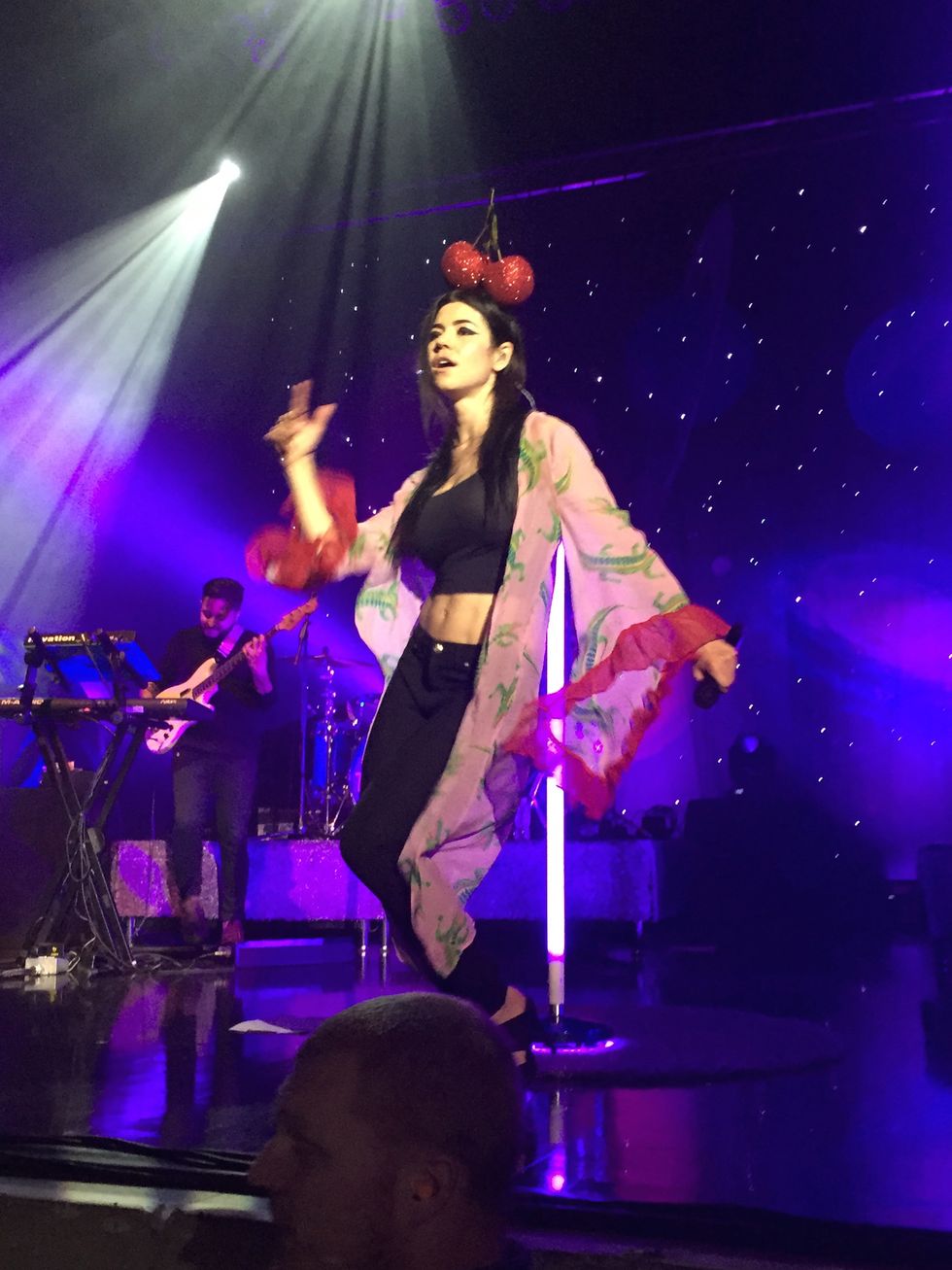
In my opinion, these are the best shows to attend, and consequently the ones I choose to see most frequently. You can get very close to the stage, and the prices on the tickets usually match the experience well, especially if you dedicate yourself to the pre-show wait. For instance, here’s a photo I took of Marina & The Diamonds.
Single Stage (Outdoors)
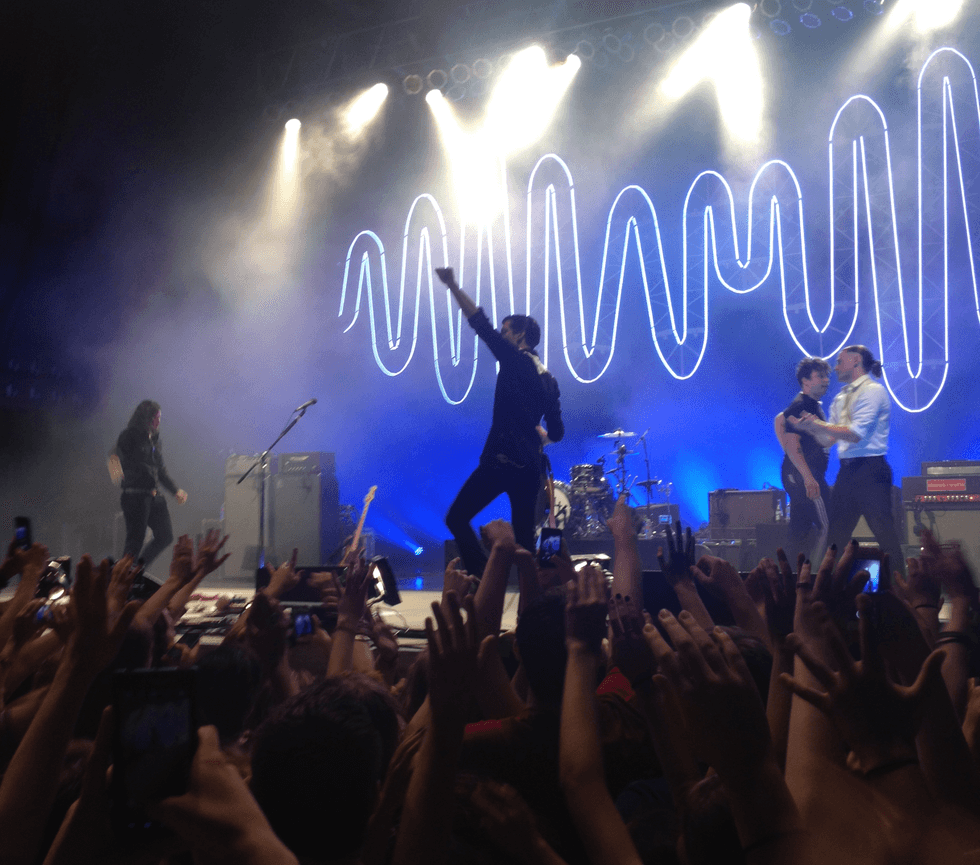
What Falls in This Category: Any permanent, outdoor stages that seat in excess of 5,000, excluding large stadiums. Notable Examples: Hollywood Bowl, Red Rocks Amphitheatre.
Who Plays Here: These are rare venues to come across, but they book some bigger artists. Most artists who play at the venues in category two can be found here as well. Notable Examples: Arctic Monkeys, Cage The Elephant, Jake Bugg, The Killers, Vampire Weekend, Childish Gambino.
These shows are, naturally, most prominent in summer months when weather permits, though you should always double-check the forecast before you head out. If your concert is general admission, the same issues of crowding and lack of breathable air previously described will apply. Also, don’t wear your best shoes as the ground might be muddy from all the foot traffic. Once again, hydration is key. You don’t want to pass out. It happens too often, I’ve noticed. The atmosphere of the show depends not only on the seating (or standing) arrangement, but the fan-base of the artist performing. Sometimes it’s easy to predict the general makeup of a crowd and make inferences about the intensity you’ll experience.
Arena/Stadium (Indoors or Outdoors)
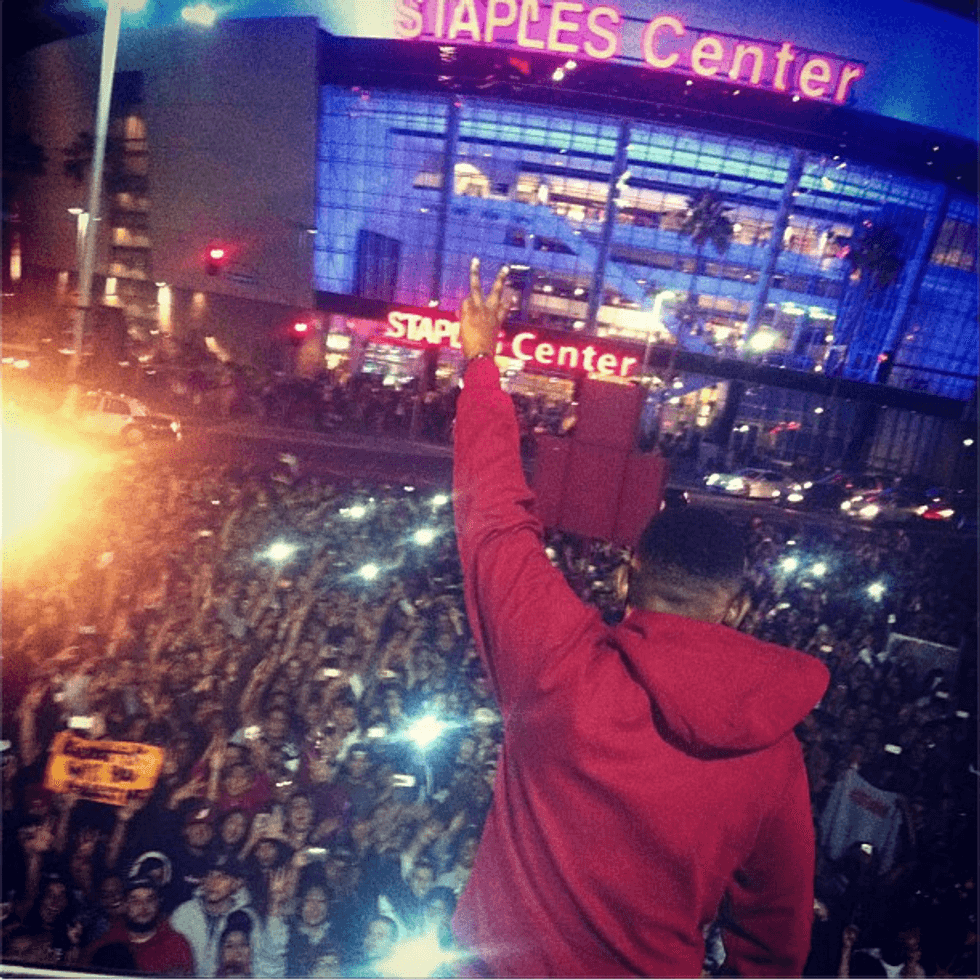
What Falls in This Category: Pretty much what you’d expect.
Who Plays Here: The most popular artists. Notable Examples: Taylor Swift, Kanye West, The Black Keys, Beyoncé, Kendrick Lamar.
You most likely won’t be anywhere near the artist, and the ticket prices are probably very high. However, you have a seat to yourself, so you can enjoy the show without feeling like a sardine. It might not feel as intimate, looking at a peanut-sized musician from up there, but there usually is a huge video monitor in addition to visual effects that will distract you from the distance. The biggest names in music also tend to be accompanied by well-established opening acts, so that helps. At the end of the night, there’s a better chance you won’t be completely drained of your energy from fending off a sea of people pushing from every which direction than at any other venue.
Festival (Outdoors)
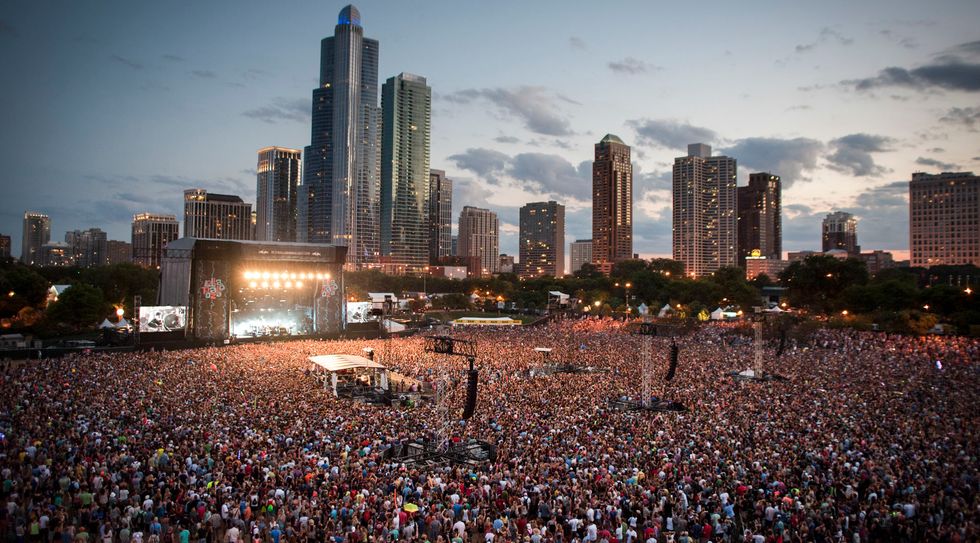
What Falls in This Category: Three-day long events featuring a multitude of artists. Almost always uses multiple stages. Notable Examples: Coachella, Glastonbury, Lollapalooza, Governor’s Ball, Firefly.
Who Plays Here: Artists from all levels of popularity. Think of it as a buffet.
Festivals cost a LOT of money. But, if you’re a dedicated music fan, and if you can foot the bill, they can also be a LOT of fun. The main stage is where most of the action happens, but you’ll want to create a game plan for yourself by making a list of the artists that you want to see, on which stage they’ll be performing and the time that they’ll begin. This is major. It wouldn’t be wise to go without a plan. It’s too much money to spend to not allocate your time efficiently.
Festivals are some of the most exhausting experiences you will have, but there are generally accommodations and other rest areas where you can stop between sets. Dress lightly and take precautions against the sun — you’ll be in it all day for three days. Don’t bring too much with you, nothing you wouldn’t want to carry around at least. Make sure to keep a close eye on what you do bring – you won’t want a pickpocket to take off with it while you’re focused on the stage.