When I started college just about four years ago, I didn’t expect to join my school’s Dance Club. I wanted to focus mostly on my majors and join as many clubs and societies based in those fields as I could. I went to the first Dance Club meeting because I’d danced back in middle and high school and thought it would be a good idea to have some physical activity in my schedule — avoid the freshman 15. At that meeting, I found out how the club actually worked: Students taught a variety of classes, and people could join as many classes as they wanted, no audition required.
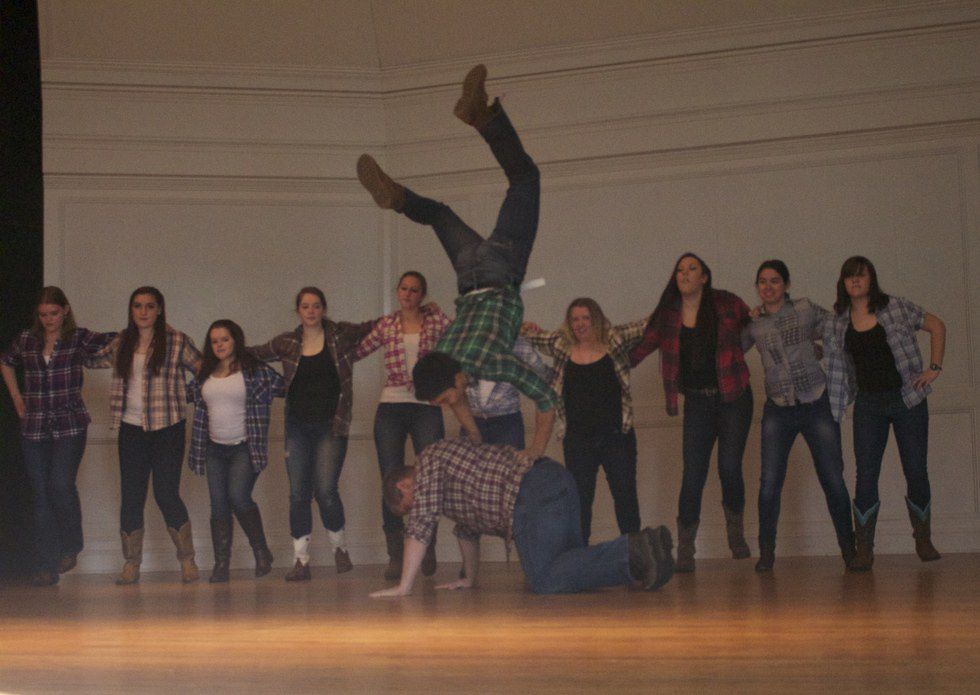
This surprised and relieved me. I was surprised because I had the misconception that all clubs related to dance were ran like dance teams, involving intensive choreography and auditions to weed out the amateurs. I felt relieved that the club was open to anyone because, at my dance studio, I was the least experienced dancer. I had not jumped around in a tutu at 3 years old. I started taking jazz classes at 8, so I lacked the poise and balance of an everyday ballerina. Nevertheless, I could join this dance club and feel comfortable with my modest skills.
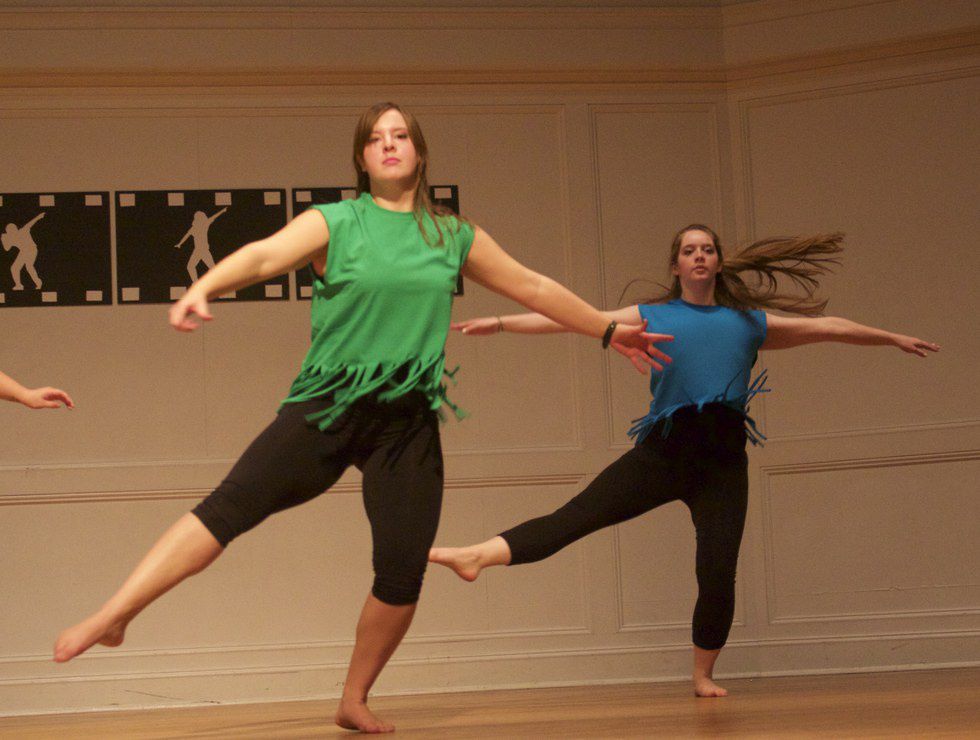
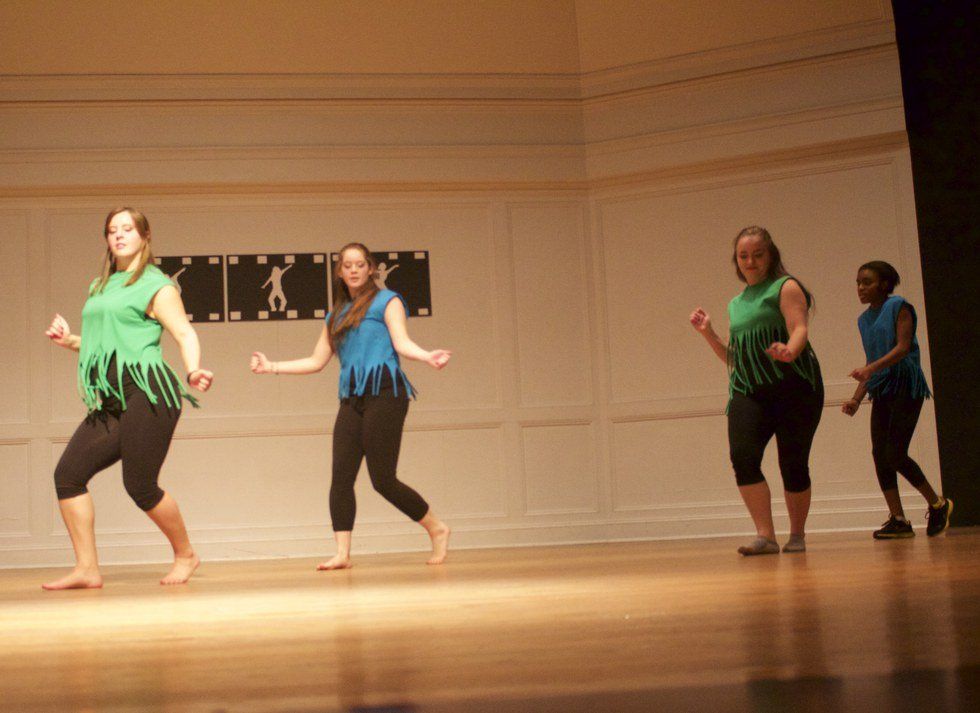
As semesters went by, class dynamics shifted — some students left the club, and new people joined. Skillsets varied from studio experience since kindergarten to never dancing outside the car before. One of the greatest parts of witnessing the changes within the club was seeing people who hadn’t felt comfortable on stage for their first show later shedding those insecurities and thriving in the club. Some students who had only joined because their friend dragged them to the first class ended up remaining with the club longer than their nagging friend.
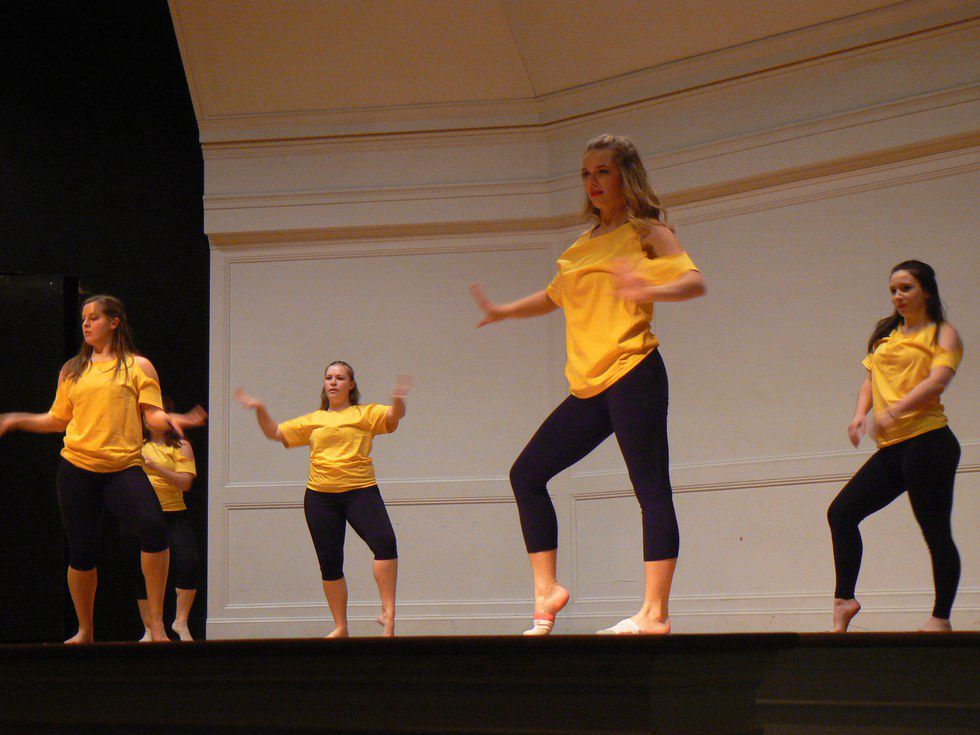
Compared to a typical university dance team, our club is likely larger. With roughly 10 to 12 classes per semester, and different people in each class, our club can include up to 70 or 80 members. Dance teams that I know have about 20, and every dancer performs every dance, no matter the style. They’re more pressured to have experience and skill, rather than simply enjoy dance for the activity and art. While dance teams certainly make bonds with their teammates, given how often they practice and perform together, I have made countless friendships, meeting people in the jazz, hip-hop, contemporary, and Latin classes I’ve taken. People who enjoy jazz have much different personalities than those who only like hip-hop. Our club is breaking boundaries between cliques and broadening the scope of the friendships my classmates and me have made.
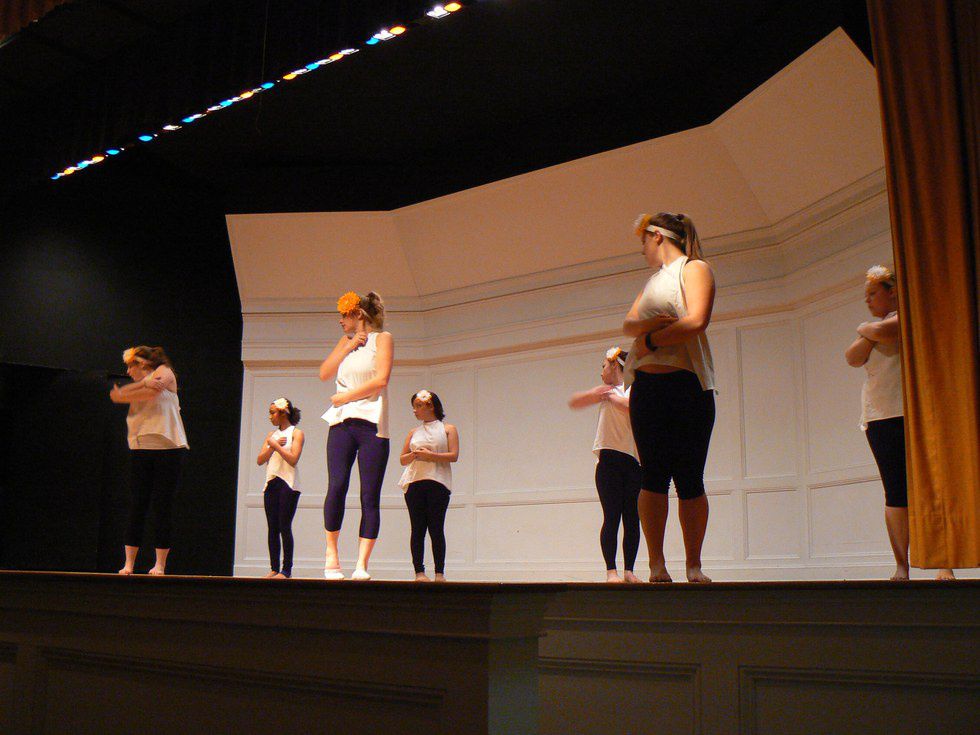
On top of all this, our club gives the power to the students — we teach the classes. Personally, I’ve improved my leadership and communication skills. As a freshman, I followed. I didn’t take on responsibilities — I was scared. As a senior, I’ve broken from that rut. I have just as hard a time saying no, but now I don’t say it as hesitantly. I can take on whatever someone wants to load on my shoulders. This confidence won’t fade once I graduate but will continue growing as I expand my experience into the real world.
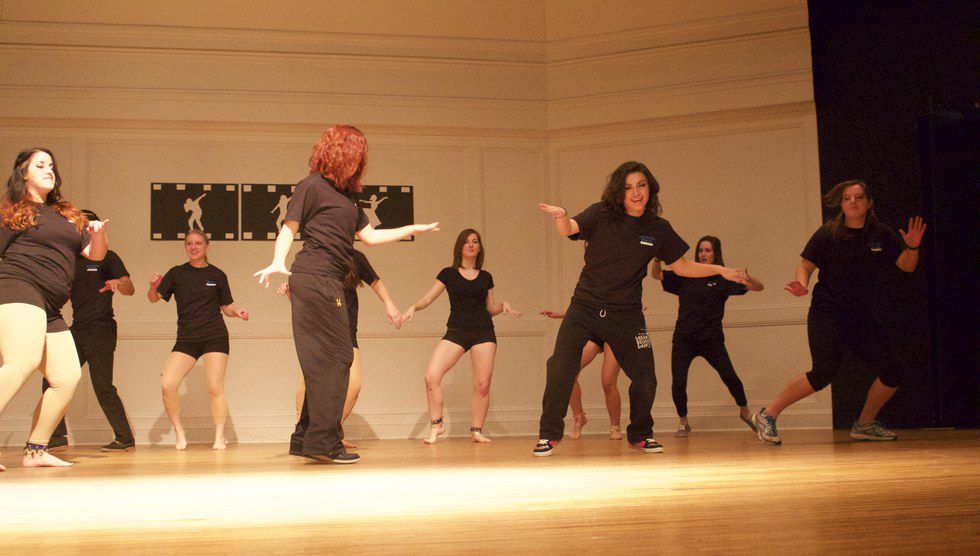
Maybe my Dance Club isn’t as organized as another university’s dance team, but my fellow dancers and I have gained just as much from our own experiences. We don’t need to have perfect form to know that we’re welcome to join. No matter the stress as the show approaches, we’ll still have fun. As our unofficial motto says, anyone can dance!