
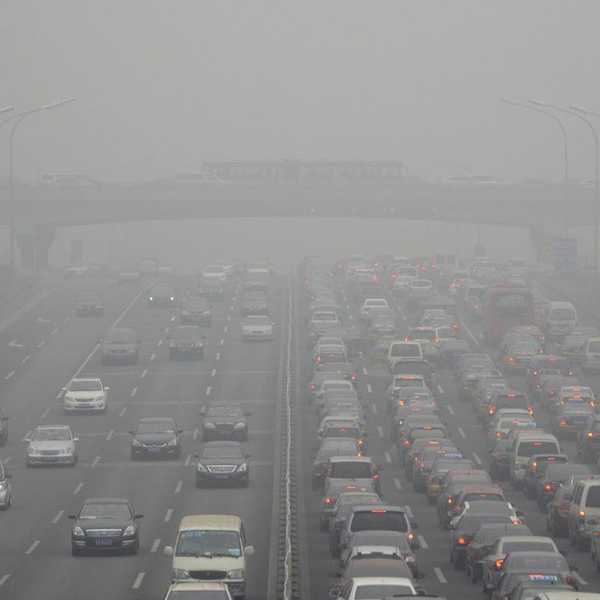

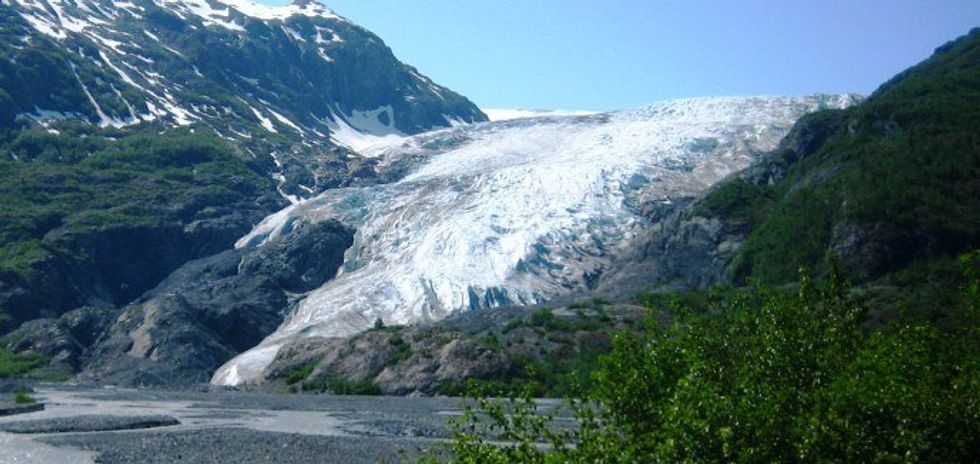
The most common end-of-the-year stories are top 10 lists and New Year's resolutions. Although these are entertaining and important for pop culture purposes, I want to end 2015 by talking about the year's most important issue, which, as usual, has received far less coverage than it should: climate change.
Climate change and the overall environmental turmoil the planet is engulfed in stays practically untouched in the media and daily conversation. Maybe I was more interested this year because I watched the Netflix documentary on animal agriculture called "Cowspiracy," became a vegan, or took a compelling class called Literature and the Environment. Regardless, these experiences reminded me of how consistently people pretend this environmental disaster is not happening and of the critical immediacy needed to make drastic changes.
Throughout the year, I've tried to narrow down the exact reason why climate change is a topic people avoid talking about. These are a few reasons I've come up with:
1. We are accustomed to the damaged state of the environment and are unable to see the results of slow violence.
2. Recognizing the environmental situation means taking ownership of the anthropocentric detriment we have caused.
3. Today's mainstream media culture popularizes news combining a "shock factor" with an instantaneous conveyance of information, two things that environmental issues do not consistently have, partly due to slow violence, which makes environmental change go unnoticed and therefore seemingly unimportant. Lack of these attributes prevents further education about the current environmental emergency.
I recognize that these reasons contain many more multifaceted ideas within them, but this is the most succinct way I could list them. The final, perhaps largest, issue behind why people are not addressing environmental deterioration is because they do not know where to begin to tackle the many problems that need fixing.
Anthropocentric, individualistic conditioning intrinsic to the Western identity is the overarching barrier preventing immense change and is one that may be inescapable at this point, considering the urgency to address the issues. This is not to sound cynical, but simply realistic. It does not mean we should give up on repairing the damage that has been done. It means progress will happen gradually over time, by making changes and creating awareness at a pace that will hopefully be enough to salvage the resources and species currently struggling to survive.
Taking my Literature and the Environment class taught me about the factors that contribute to exploitation of the environment that are not as obvious as recycling and buying fuel-efficient cars. The government (specifically the U.S. in this case) and big businesses are ultimately in control of the future of the environment because they decide environmental policies and practices. The "Green Movement" in the U.S., usually linked with the ideology of "going green," has allowed for the complete disregard for recognizing real environmental problems. Greenwashing works as a free pass to allow people to continue polluting without guilt so long as they recycle (which is important), go hiking out in the "wilderness," and shop at Whole Foods. Being involved in politics (i.e., voting) and becoming an environmental activist are important roles to take on to make legitimate progress. I realize that telling everyone to go devote themselves to a life of environmental activism is unrealistic, as it requires many forms of privilege to be in a position to do so. For those who are aware of the state of the climate and have the opportunity to take serious action, pretending climate change is not happening and separating ourselves from the deep-seated issues which perpetuate environmental degradation will never solve anything.
If you are questioning the urgency to make major changes or even whether climate change is actually a thing, here are a few statistics: The hottest years on record (globally) have all occurred after 1998. Extreme weather (climate and weather disasters), a repercussion of climate change, has cost the U.S. economy over $100 billion since 2012. U.S. carbon emissions increased by 2 percent from 2012 to 2013. Livestock and their byproducts account for at least 32,000 million tons of carbon dioxide per year, or 51 percent of all worldwide greenhouse gas emissions. Climate change is driving the expansion of ocean dead zones, many of which will experience a 3.6 degree increase or more by the end of the century, collapsing countless oceanic ecosystems.
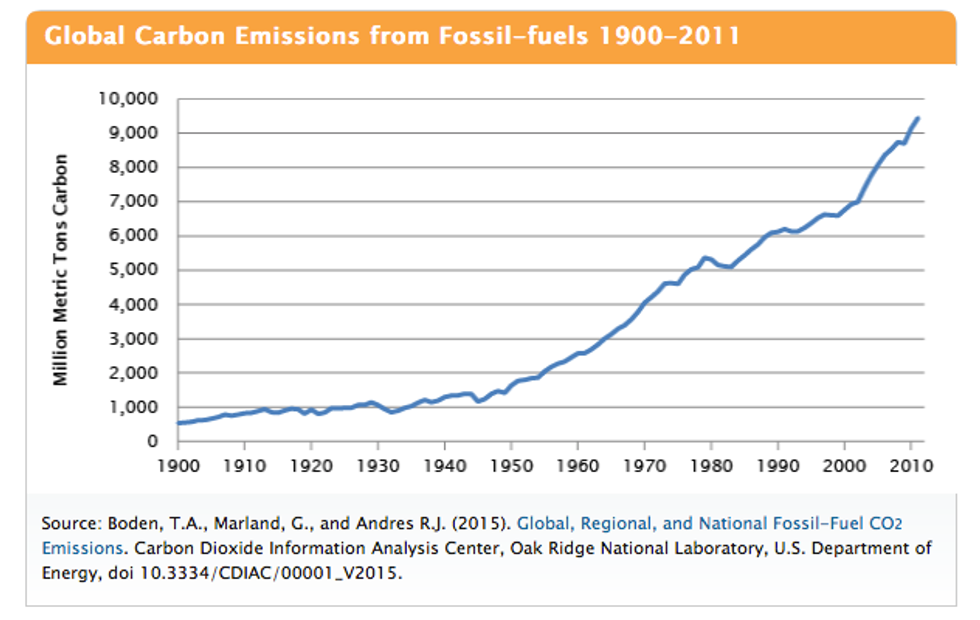
I recognize that this conversation is a broad one without all of the answers. However, it's undeniably important to continue this dialogue about climate change and how we can address the wide range of issues it impacts. We are running out of time to fix the situation and, realistically, it may end up being too late to make changes by the time we have to face them head-on. I believe we can still work to repair the damage into 2016 and beyond.
This year, President Obama and the EPA announced the Clean Power Plan to reduce power plants' carbon emissions nationally. This plan will improve health with new restrictions on pollutants used in power plants and advance clean energy innovation. On Dec. 12, President Obama and 19 global leaders agreed to a plan titled "Mission Innovation" to reduce global carbon pollution including emissions goals and reductions on emissions every five years. There are also new requirements for reporting progress on these goals, and supposedly greater steps will be taken to create more commercial opportunities in clean energy sources.
Taking this information into account, there are a few things to keep in mind about climate change as we move into 2016. Although it seems simple, there is great importance in regularly discussing climate change. The impact of climate change is constant and may be overlooked when discussing current events. However, the fact that climate change is constant and rapid makes it all the more necessary to talk about. Creating a dialogue about the environment keeps the issue at the forefront and will spread the conversation, increasing awareness, and from there, action.
Writing this article, I struggled to home in on a singular aspect of climate change to discuss. This made it evident that I am not taking enough action or working hard enough to actually do something about this issue. Taking the time to read new environmental policies and texts this semester revealed a lot to me about the climate and, more than anything, the anthropocentric ideals which dominate all that we do, regardless of the impact on the environment. My wish is for people to further enlighten themselves about climate change, which will hopefully create a ripple effect and expand concern for the environment, increasing the amount of action taken globally.















