
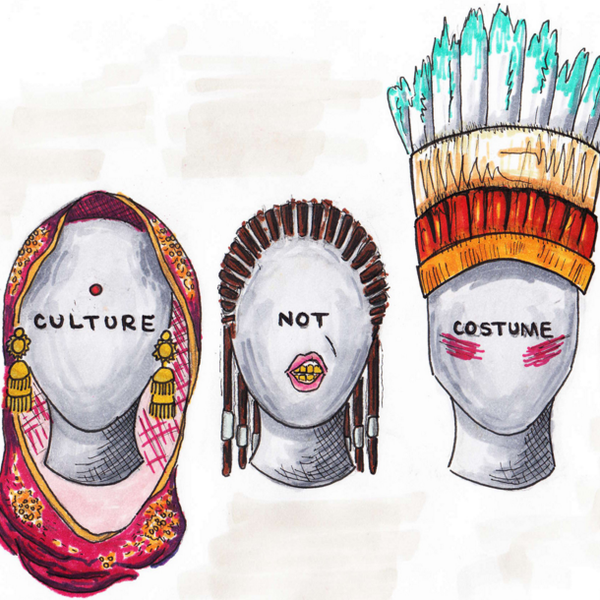
The Metropolitan Museum of Art is one of the leading institutions for art, cultural appreciation, and preservation. During my latest visit, I viewed their special exhibition “China: Through the Looking Glass,” which is described on the museum's website as an exhibition that “explores the impact of Chinese aesthetics on Western fashion and how China has fueled the fashionable imagination for centuries.” Often, in an attempt to honor a culture, exploitation happens instead, which is what seems to be occurring with many of these pieces.
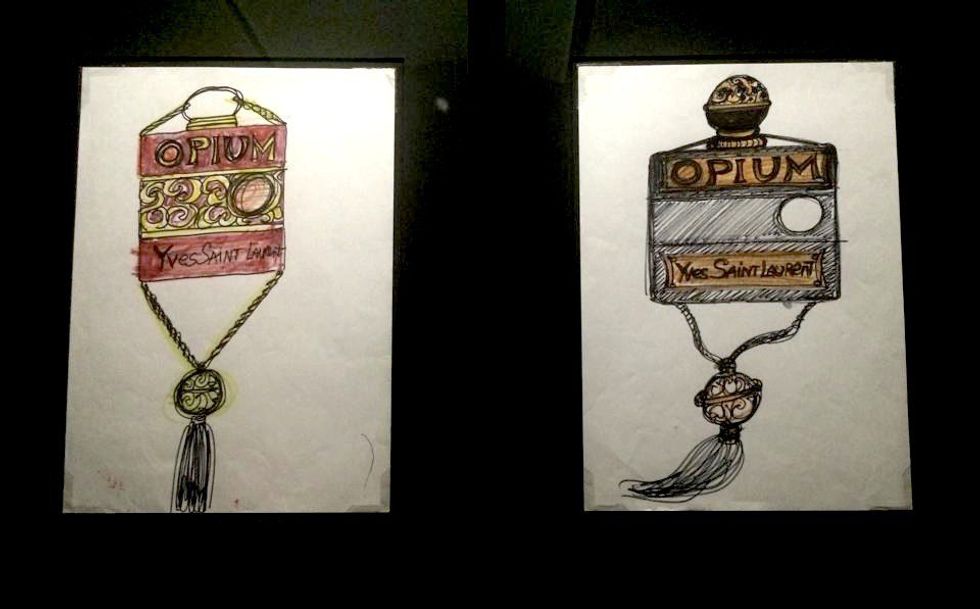
One particular section that caught my eye was the Yves Saint Laurent perfume designs and bottles for the fragrance titled Opium. It was disappointing to see the trivialization of a tragic part of Chinese history, the name being used for its shock value. Opium was destroying China in the mid-19th century; the British forced their way into Chinese markets and flooded it with cheap opium, which tore apart Chinese society. Britain fueled China’s rampant drug problem, which was not a laughing matter. And yet, a prominent European brand exploited this history for a catchy, risqué perfume name. Even a large publication like The New York Times reviewed the installation and approved Yves Saint Laurents name choice, saying “How to give a designer fragrance a sexy spin? Take a hint from Yves Saint Laurent and play the exotic Orient card: Call the scent Opium and advertise it with the image of an apparently zonked-out model.”
Instead of perpetuating the praise of Western designers who appropriate and desecrate non-Western cultures and their histories, they should showcase non-Western designers who give a new twist to their cultural fashions.

















