

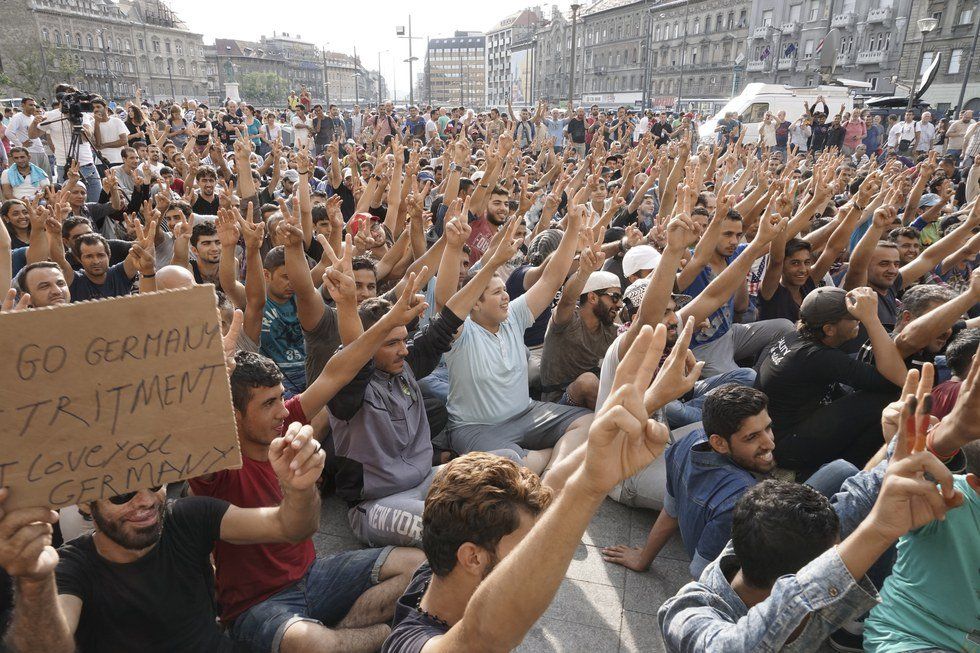
Recently, I heard a peer wonder aloud, “did the Syrian refugee crisis end, because I haven’t heard about it in a while.”
No, it did not “end,” and is in fact very far from being over. However, world leaders are continuing to explore options of how to bring peace to the war-torn nation.
Diplomats from the United States, Russia, the EU, NATO and dozens of other world organizations met in Munich on Friday for a security conference which ended in the decision to announce a temporary “cessation of hostilities” in Syria.
This is a step in the right direction for bringing an end to Syria’s five-year and counting civil war, which has resulted in the loss of more than 250,000 people and caused the worst European refugee crisis since World War II. However, the Russian-backed military of Syrian President Bashar Assad is currently closing in on Syrian opposition in the city of Aleppo. This, coinciding with the cease-fire, will make for an interesting turn of events and might further exacerbate the tension between the U.S. and Russia over what is to be done regarding Syria.
The U.S. is currently supporting the resignation of the Syrian president and giving aid to rebel groups. After the cease-fire announcement was made, the spokesman for the main Syrian opposition group expressed the groups’ excitement about the plan, but also declared that they would not participate in future political talks without firm evidence that the cessation would be carried out.
Many diplomats agree that cease-fires are often ambitious and unsure territory. NATO Secretary General Jens Stoltenberg said that they “are not always respected,” and Secretary of State John Kerry agreed, adding, “what we need to see in the next few days are actions on the ground in the field,” not just words on paper.
















