
I'm not here to tell you what I eat in a day or try to convert you to vegetarianism; although it may be interesting for some, that's not the point of this article, which is identifying the main struggles of not eating meat. As a little disclaimer, I am not a professional nutritionist, but I have dedicated the last four years of my life to vegetarianism; in addition, I just want to clarify this: vegetarianism is when you do not eat meat, whereas veganism is when you consume no meat or any type of animal bi-product.
When initially converting to vegetarianism, the change of diet was not a huge issue; the first month or two went by in a breeze, but when the cravings started that's when I knew it would become difficult to continue. There were so many times when I thought I could just turn back and acknowledge that I tried but it just wasn't for me. As cliché as it may seem, it's important to not just give up; I knew that if I quit, the only person I would be letting down is me and it was important to remind myself that I chose to make this decision and re-acknowledge the reasons as to why I began. If you find yourself struggling with the same issues as I did, just keep your motivation and goal in mind. After the first year, the diet became much easier; I collected favorite recipes and the cravings went away but then the next challenge arose.
When altering our diets, we often think about changes regarding weight and how it would affect us in that aspect. And although subtracting meat from my meals allowed me to shed a couple pounds, my immune system declined. Getting sick was much more common and frequent than ever before; I would have a head cold one week and then a respiratory infection the next. After going to the doctor, I realized the change of food affected me more than I expected. Meat is high in iron which is incredibly important for your body, most specifically your blood. Some people are actually unable to become vegetarians because lacking iron can cause them to become anemic, which ultimately results in the negatives outweighing the positives. In my case, I needed to take vitamin supplements until my body adjusted to the change at a slower pace instead of just consuming iron at an intense rate to barely anything all at once. It is then incredibly important to upkeep consumption of foods high in iron, like spinach and beans. Although our minds may think something may be great, our bodies don't always agree. That being said, it's important to listen to what our bodies truly need instead of what we just want.
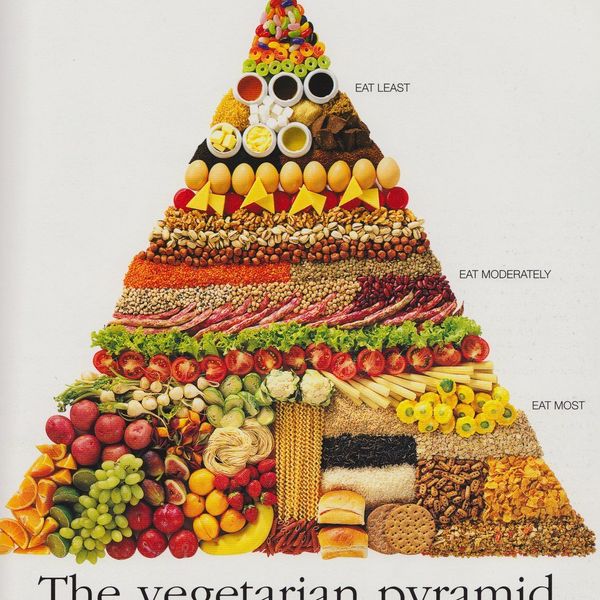
On another note, vegetarianism can be truly fantastic; you gain energy that you never had before generated by foods not commonly eaten prior, and after a while, you begin to just feel better about your body knowing you are fueling it with genuinely healthy items. The most common mistake with newcomers is that they believe they can eat anything they want besides meat, but that's not the case at all. Your body is a machine, and when it's not well oiled, it will shut down. After all, they do say "you are what you eat." And trust me, I'm not saying you have to cut out sweets with your change of diet, because I enjoy cookies as much as the next person, but it's important to nourish your body and heart through a balanced regimen.
Aside from nutritional issues, social problems arise with vegetarianism as foolish as it may seem. There are so many restaurants that you are now unable to eat at, and although there are often items on the menu that can suffice, it will never be the same. So when your friends want to go to that burger joint you all used to go to, you find yourself just picking on some fries or eating a veggie burger that at most places is not commonly prepared to be satisfying being it's obviously processed and defrosted from a freezer. But that problem tends to be an issue for only so long until you just get over it; luckily, many restaurants nowadays have vegetarian menus or often more items on the standard menu that are not meat related or allow vegetable substitutions; for example, if you go to Chipotle, you can substitute guacamole for meat which even comes out cheaper!
It's important to acknowledge that vegetarians chose their lifestyle for different reasons; some people just do not like the taste of meat, others practice for religious reasons, and some do it because they don't agree with animal cruelty. As a vegetarian, I would never get angry if someone asked me why; it's annoying when people say "but you're just one person, do you really think you can change anything?" Let me start off by saying this first, you do not know my reasoning for being a vegetarian. In my case, yes it is regarding animal cruelty, but others may have different circumstances. In response to the commonly asked question, I don't think I can change anything, I know I already am. Studies prove that those who do not consume meat on average save more than 100 animals a year. When analyzing the statistic, there are roughly 7.3 million people who are on vegetarian based diets, which means 730 million animals are being saved a year. So yes, change is, in fact, being made and if more people convert, imagine then how many animals will be able to live.
When joining the community, it's important to be proud of what you practice but to acknowledge that you do not need to shove it down other people's throats or throw a million facts in their faces as to why they should convert. If they are interested, by all means tell them all about it, both the good and the bad. Vegetarianism is not a walk in the park, and some days you really question your decision, but the rewards of being one is so much more enlightening and rewarding than you could imagine.