
The issue first came into the mainstream with the 2022 FIFA World Cup. Set to be held in Qatar, many soccer fans vocalized disapproval of the location due to factors such as the possibility of the extremely high temperatures hurting players and fans, along with rumors of bribery.
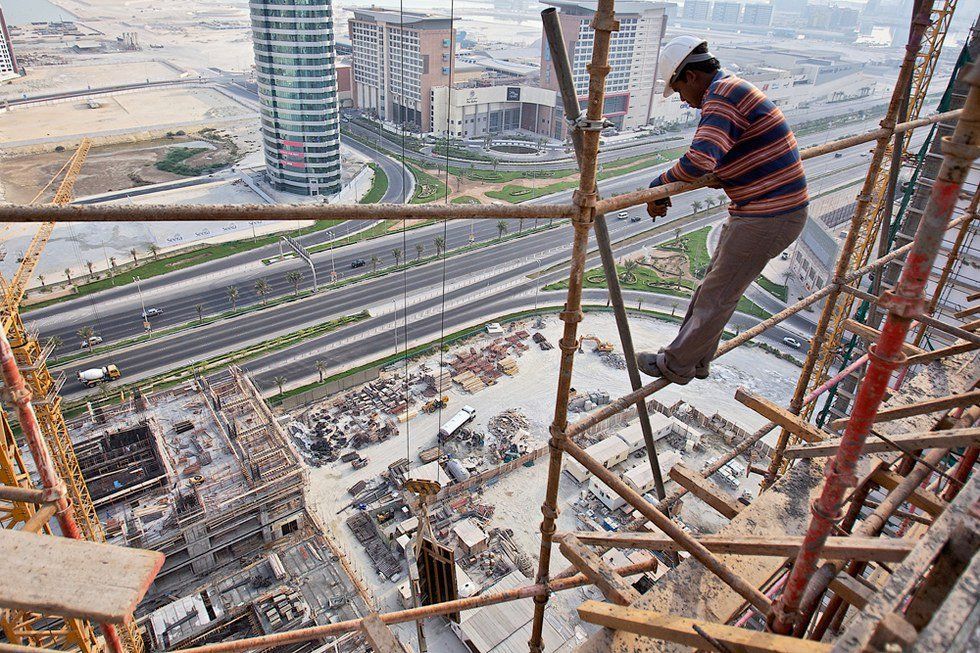
But the most controversial and important argument against Qatar was the plight of migrant workers. The news broke out that hundreds of laborers working on building stadiums for the massively popular soccer tournament and were suffering from exhaustion and unsafe working conditions. Many were dying from sudden heart attacks and workplace accidents.
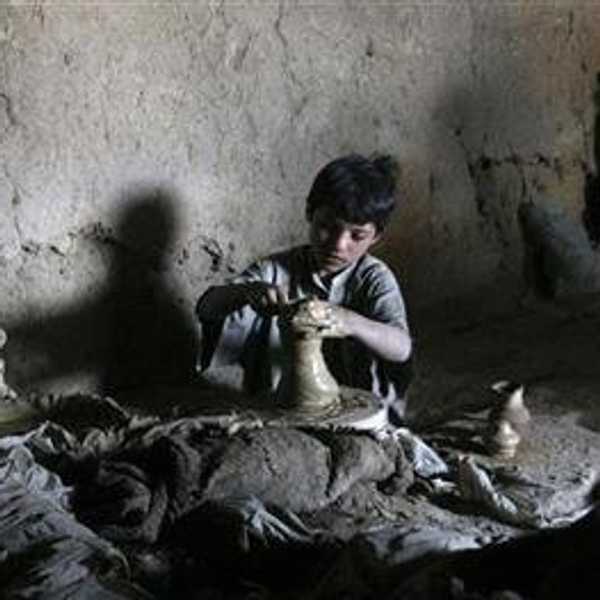
These human rights abuses are not limited to the Qatar World Cup. They are rampant throughout the Arabian Peninsula and especially affect migrant workers from South and Southeast Asia, specifically countries like Nepal, India, Bangladesh and the Philippines. In Qatar, the majority of the labor force is made up of Asian migrant workers. Some migrant workers have decent jobs with fine working conditions, but many of them are put in manual labor on construction sites. They are forced to work long hours in the extreme desert heat, and at night they return to labor camps where conditions are cramped and unsanitary.
These migrants often live in poverty in their home countries and are drawn by the common practice of sending money back to their families. In fact, in Nepal, one nation where thousands of workers leave every year, remittances make up a large portion of the GDP. However, these people aren’t fully aware of how difficult life might become for them once they take a job overseas -- or if they are, they are too desperate to care.
One of the biggest reasons these abuses are able to happen is the kafala system, a system of worker sponsorship. Employers sponsor workers so they can travel to the Gulf states from their home countries. Workers are then trapped in complicated contracts, which put their rights almost entirely in the hands of employers. Kafala enables employers to pay workers late and control when they can switch jobs or leave the country -- it is essentially a system of exploitation.
Far too many people have died just for companies to make a profit. It is hard to marvel at the impressive skylines of cities like Dubai and Abu Dhabi once you know how those skyscrapers they were built. The system that many people call “modern-day slavery” needs to end, and human beings need to be treated as such.