
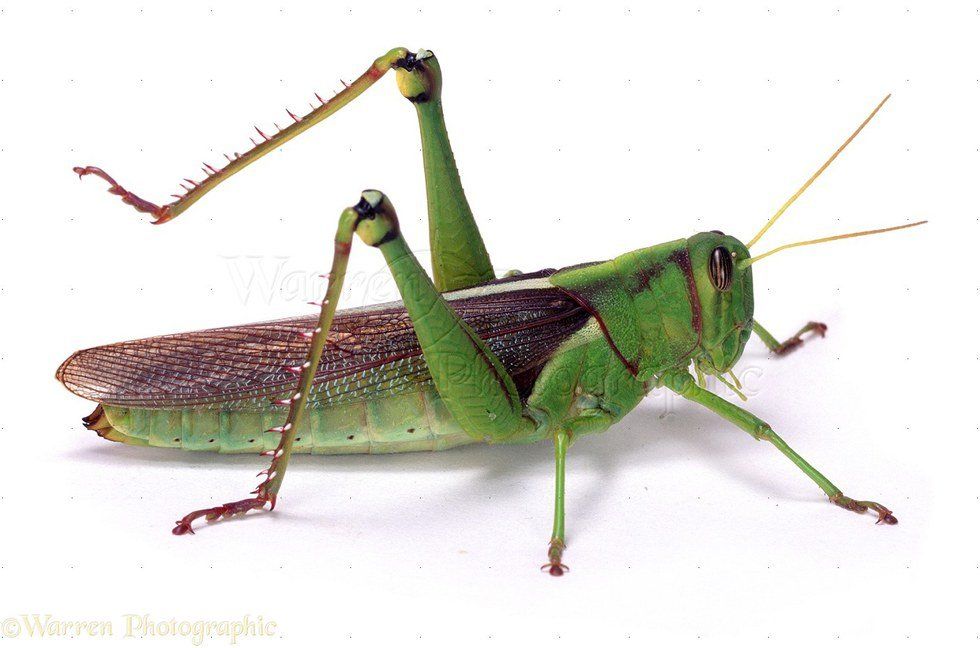
How often have you been freaked out by a bug? Squished one (or many)? Wondered what their purpose on earth could possibly be except to make too much noise at night, be creepy crawly and inspire the weirdest science fiction? I myself have experienced these things many times. However, I’ve also spent my fair share of time squatting in the dirt fascinated by the busy life of an ant colony, entranced by the fantastic display of fireflies in the summer evenings, and fallen asleep to the comforting chorus of crickets. In short, bugs are cool. Really cool.
The case in point today is the locust. This relative of the grasshopper has historically been a dreaded enemy of agriculture due to their infamous ability to form massive swarms capable of destroying 423 million pounds of plant life in a single day, according to "National Geographic." But, in a recent article by "The Washington Post," the US Navy has granted a research team from the University of St. Louis $750,000 to study locusts as possible mini bomb detectors. Whaaat?
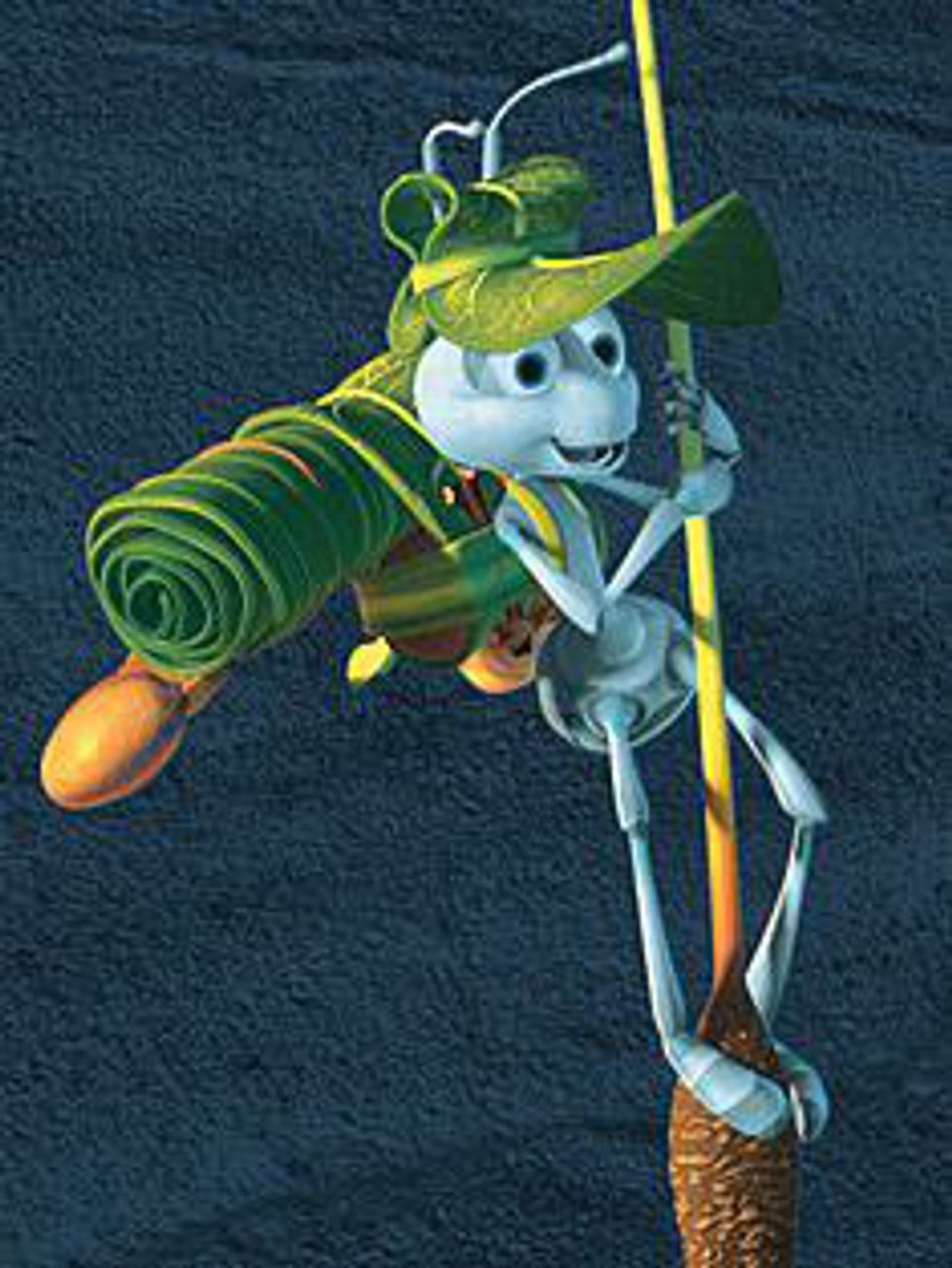
Basically the idea is that since insects have incredibly sensitive chemical sensors, usually located in their antennae, we can harness this ability by attaching sensors to their brains (I mean, can you imagine performing bug brain surgery?). The sensor will be then attached to a tiny little bug-sized backpack (think Flik from "A Bug’s Life") LED that lights up when the locust senses novel chemicals (apparently associated with bombs).
I’m sure you’re thinking, “Okay okay, this is a little far-fetched, but also somewhat reasonable. But how can you control where the locust goes?” Well, that’s where the research does go off the deep end a bit, even for me. The plan is to effectively “tattoo” a biocompatible silk onto the locusts’ wings that can convert light to heat. By shining a laser on one wing or the other, they then expect that they can encourage (to put it lightly) the locust to fly in the desired direction.
The idea is simple, elegant even, but the practical reality of this project is that it will be insanely challenging––but so cool! It’s kinda like sending Frodo into Mt. Doom all over again, only hopefully he won’t be picked up by a bird of any kind, even nice eagles. Not only would they be locusts detecting bombs and therefore saving lives, they would be tatted-up locusts detecting bombs and therefore saving lives.

This work also raises interesting questions about animal rights. We’ve long used other animals for experiments and to do our dirty work: mine-detecting dolphins, bomb-detecting dogs, and PETA got pretty worked up about using mind-control on cockroaches. So what about locusts? How much does a bug’s life matter? Presumably, the locusts don’t perish in this line of work, and the sensors don’t affect their normal behavior. So does that make it okay? Where do we draw the line? Food for thought.