

After the successful release of "Star Wars: The Force Awakens," the cinema has focused its attention on the releases of Quentin Tarantino’s "The Hateful Eight" and Alejandro G. Iñarritu’s "The Revenant." These are also some of the most anticipated films of this year, and I went to see them. Because of their similar target audiences and unique approaches, I thought I’d review them together.
In recent years, there have been certain aspects of films that have really drawn in audiences to the theaters. Earlier this year, "Mad Max: Fury Road" was noted for its special effects; "Mission Impossible: Rogue Nation" for its extreme stunts done by Tom Cruise; and "Star Wars" for its practical sets, creatures, and special effects… and well, for just being "Star Wars."
Both of these films had something special that film and art lovers will fawn over.
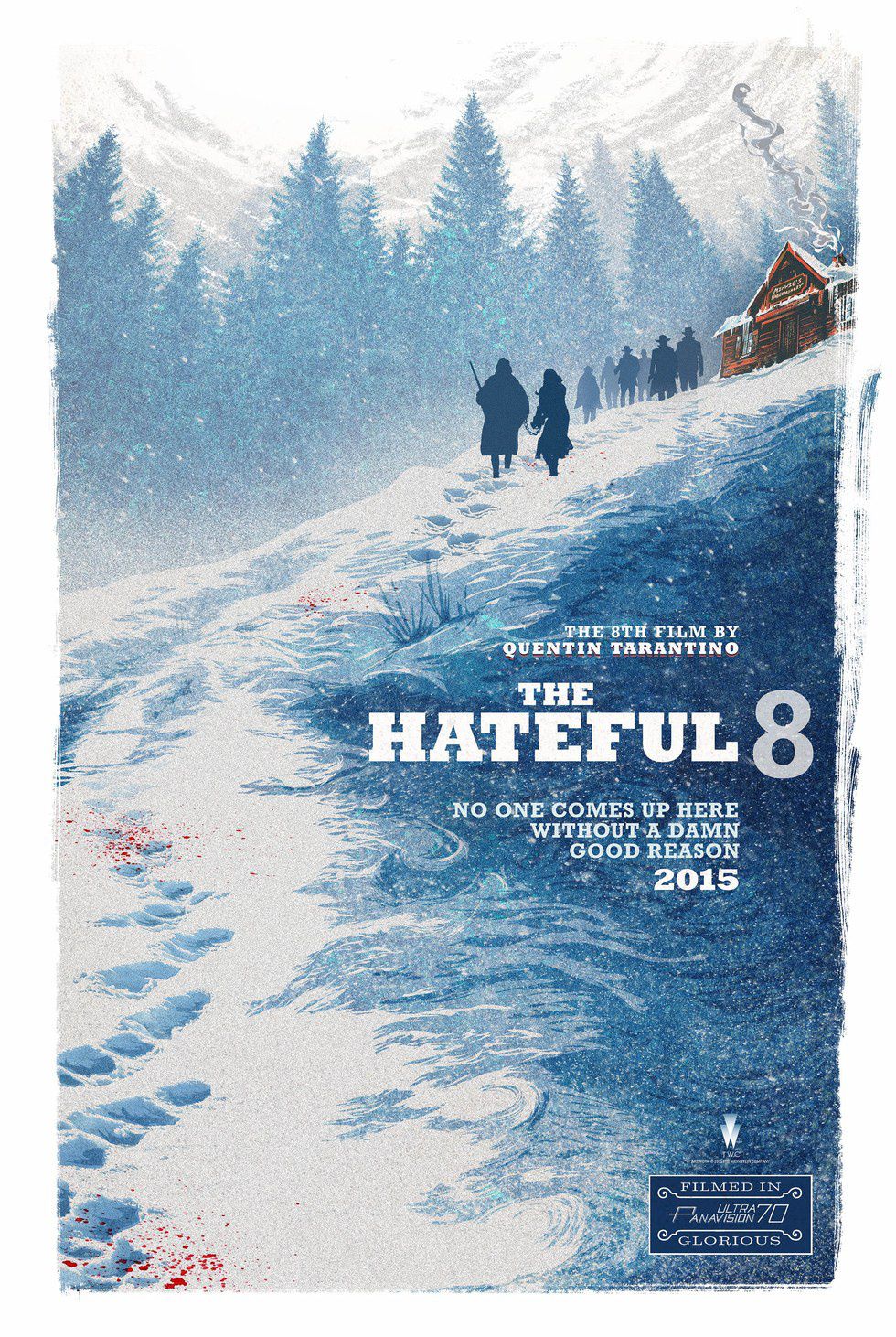
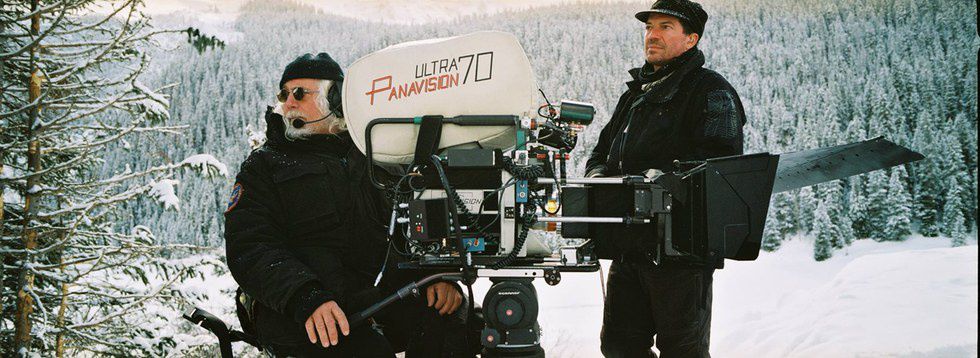
Tarantino announced that he would be shooting the entirety of his eighth picture on classic 65mm film. This is unusual, given the bulkiness of 65mm film. Most filmmakers use it primarily for large sequences, and stick to 35mm film for smaller, dialogue-filled or indoor sequences. 65mm film had been used in classics like "Lawrence of Arabia," "My Fair Lady," "The Sound of Music," and plenty more, as well as recent films like "The Dark Knight Rises," "The Hunger Games: Catching Fire," "Interstellar," and the latest "Star Wars" installment.
However, Tarantino and his cinematographer, the great Robert Richardson, discovered a set of old Ultra Panavision 70 lenses. These lenses provide the widest cinematic format there is, 2.76:1, and had only been used on 10 pictures in the past, including "Ben-Hur," and the last being in 1966. This format created such an amazing visual and aesthetic experience for me.
The film was released in a limited “Roadshow” release screened on beautiful 70mm projectors in 98 theaters across the country. There was an overture, an intermission, and the audience even got a program. This is Tarantino’s way of bringing the cinema its special feeling that it had back in the 60s. Studios would do Roadshow releases of many of their biggest films, and it would be an event.
It was definitely amazing to see such a great classic Western in that format.
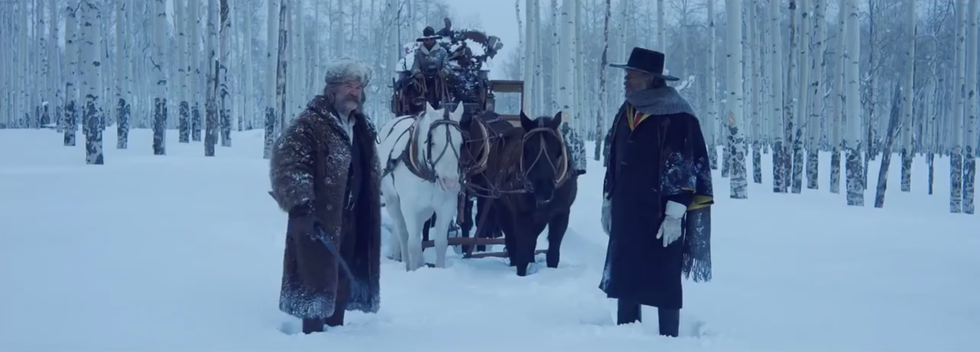
Quentin’s dialogue is on point in this film. It’s not quite as action-packed as his other films, but it definitely keeps you on your toes nonetheless. I’ve heard it described as a massive Western game of “Clue." The film itself feels like a throwback to classic John Wayne, Clint Eastwood, and Sergio Leone Spaghetti Westerns.
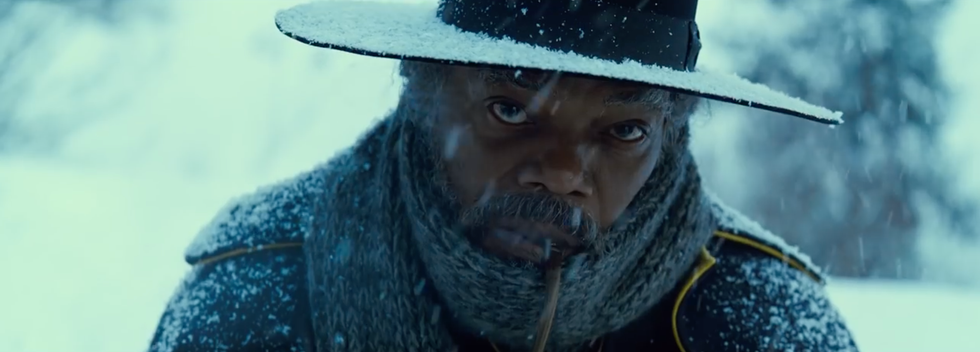
This is one of my favorite Samuel L. Jackson performances. He shines so much in this role, it’s incredible. But he also doesn’t overshadow the rest of the cast. It is such a perfectly casted film. I absolutely love Tim Roth and Kurt Russell in this film, and Jennifer Jason Leigh is definitely the star of the show.
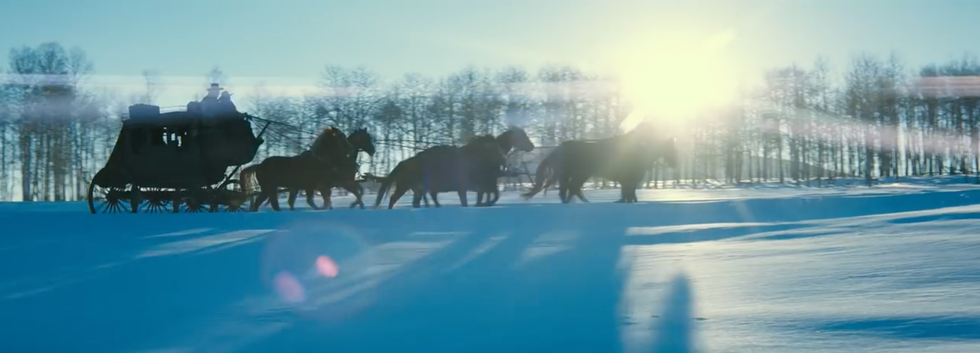
Seeing all of these incredible actors in a barn shot on beautiful 65mm film is truly an unforgettable experience. While it’s not Quentin’s best film, "The Hateful Eight " is still a film for him to be very proud of.
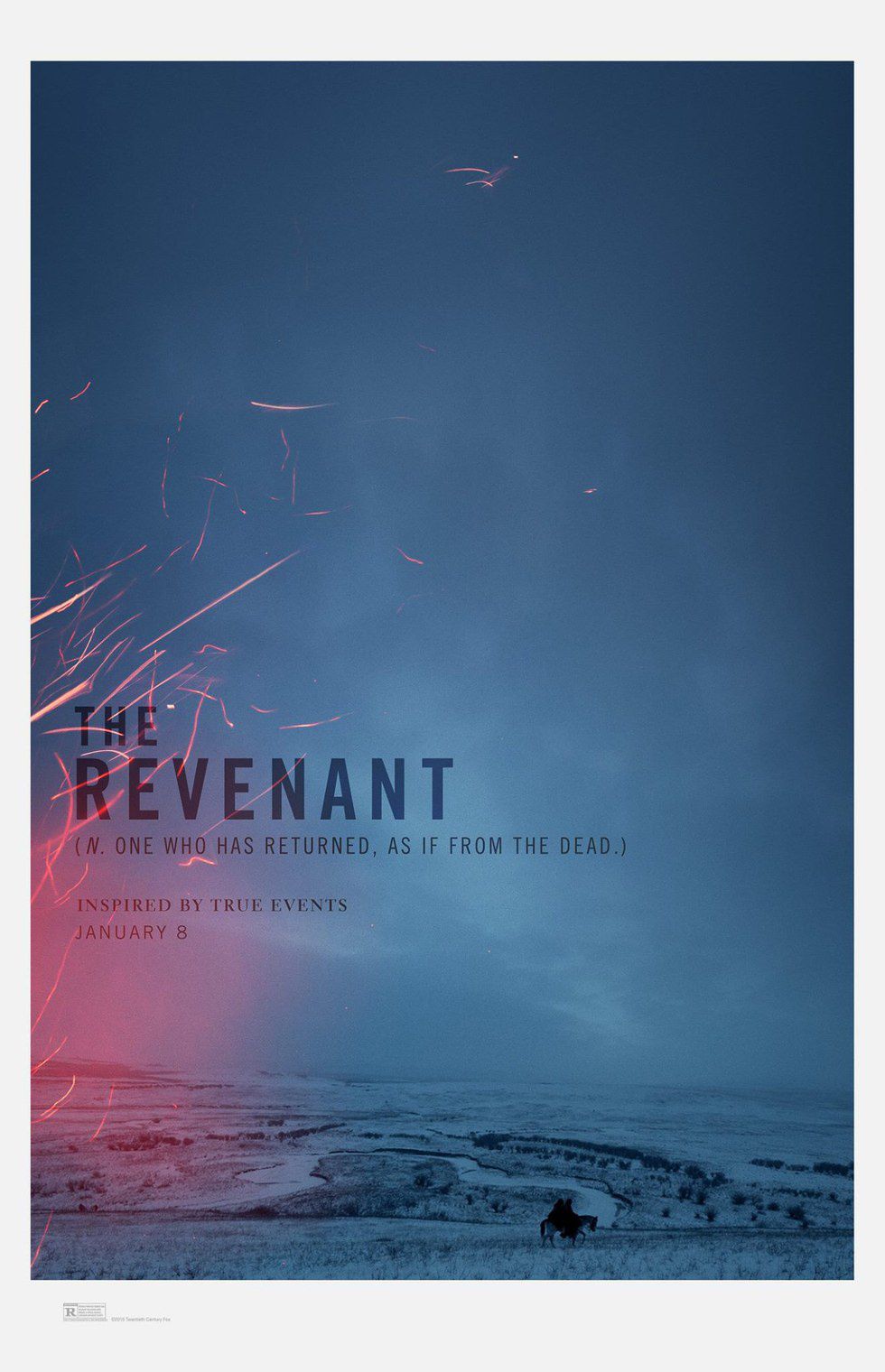
In "The Revenant," Leonardo DiCaprio really does do an incredible job, as does Tom Hardy. Even the supporting cast (Will Poulter and Dohmnall Gleeson) are amazing. But there is no arguing that that the real stars of this film are its director and cinematographer Alejandro G. Iñarritu and Emmanuel “Chivo” Lubezki.
The duo both worked on the 2014 Academy Award for Best Picture winner "Birdman" and they both received awards for Best Director and Best Cinematography respectively.
A highlight of this film is that is was shot in all natural light. That means no Hollywood lighting. No bright LED lights to brighten up the night time shots or glamorize the actors, only sunlight, moonlight, starlight, and fire.
And it was a breathtaking sight!
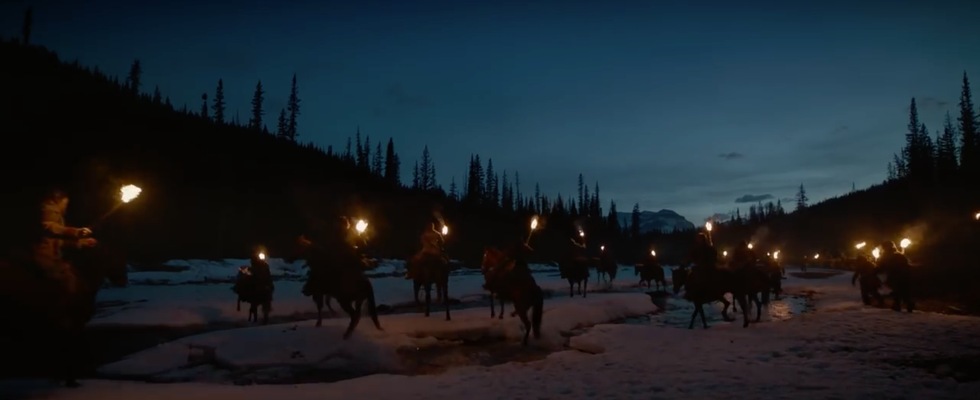
This is without a doubt one of the most beautiful looking films I’ve ever seen. It was shot mainly in Canada, but also Montana and Ecuador. It has been in the press recently for its incredibly difficult shooting conditions. They shot in below freezing temperatures and for long hours in all kinds of weather. They went past schedule and over budget.
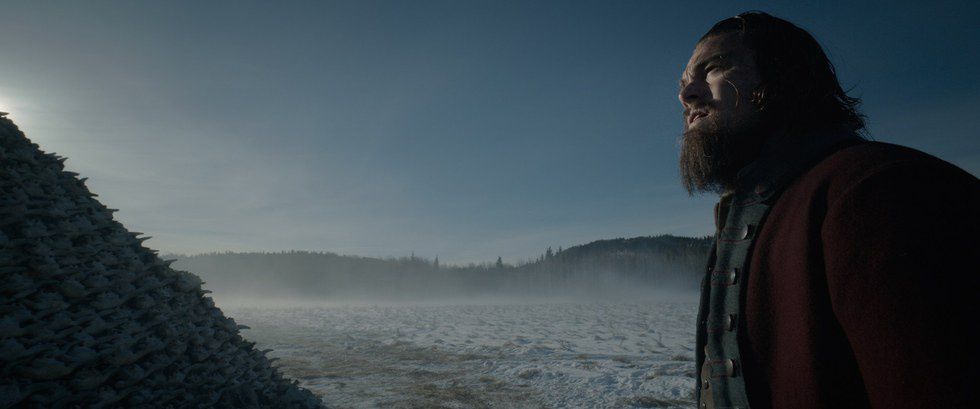
The entire film feels like the audience is watching nature in its prime beauty and just happens to be following the characters. This, to me, actually takes away from the film's quality. While it was outstanding, I felt as if the beautiful shots of nature were a little distracting from the character’s story. It left me feeling just a tad lacking in the emotional aspect of the film.
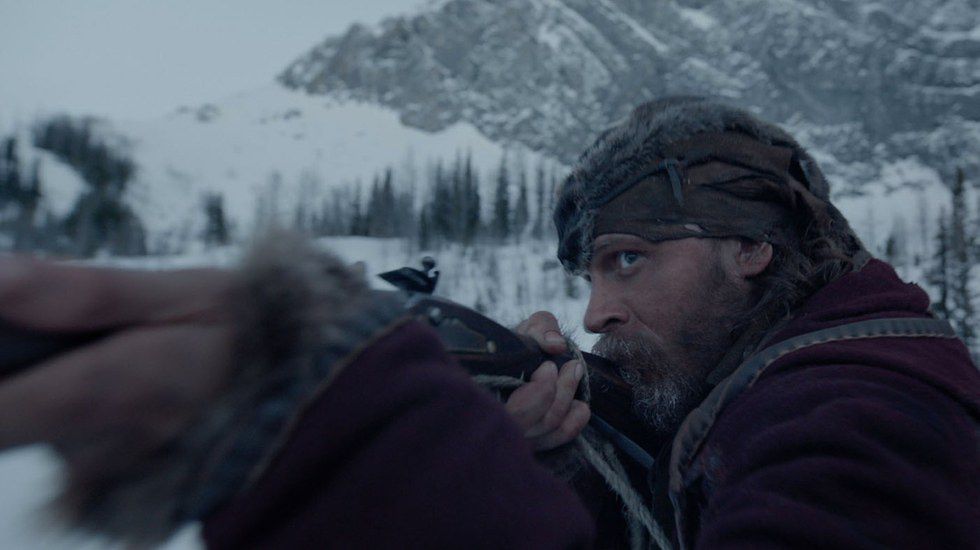
Leo is definitely fantastic, but I have to say that Tom Hardy’s performance was my favorite. He has done nothing but excel in the past year of his career and I cannot wait to see where he goes from here.
Both of these films are worth seeing in the theater. It has been great to bring back the joy of actually going to the cinema, and I hope that in my future I can help to bring people that joy again as well!















