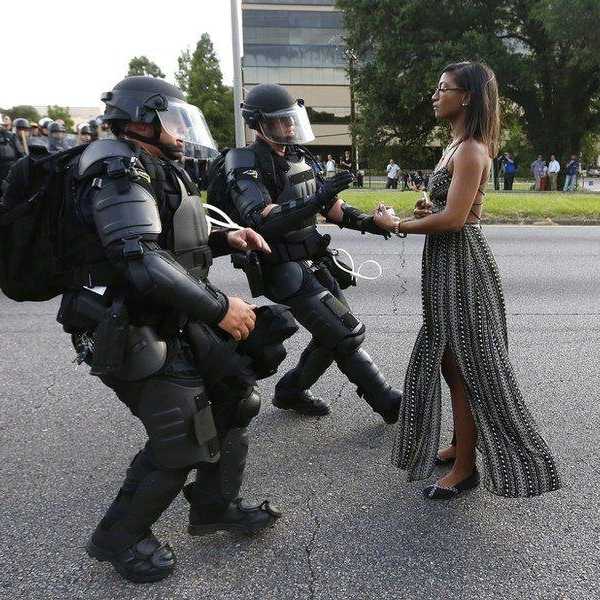
The murders of Alton Sterling in Baton Rouge, LA and Philando Castile in Falcon Heights, MN have catalyzed what feels like a turning point in the millennial struggle for justice and equality.
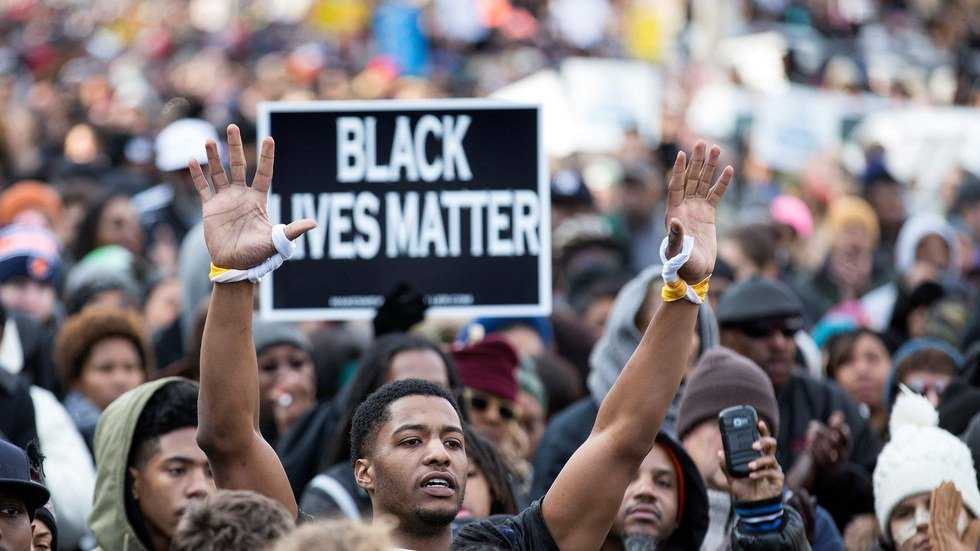
Citizens all over the country have erupted in multifaceted expressions and demonstrations of outrage by taking over cities with peaceful protests and taking over social media with demands for justice. Both fronts possess the undeniable undertone that enough is enough.
Last Thursday in Dallas, during a peaceful Black Lives Matter protest in response to the killings of Philando Castile and Alton Sterling, a shooter opened fire on Dallas PD officers, wounding seven and killing five. The victims of which include officers Lorne Ahrens, Michael Smith, Michael Krol, Patrick Zamarripa and Brent Thompson.
Acts of violence tend to be polarizing. Given the racial disparities that often accompany the administration of justice in this country, particularly as it pertains to both recent and historical instances of police brutality and misconduct, there has been rhetoric throughout social media with the implicit message that one must choose between black lives or blue. I would have to disagree.
We should not feel as though we have to pick one of two sides. We should not feel as though we have to choose whether black lives or blue lives matter. “Blue lives” have the civic duty of protecting the lives of those around them. Inflicting harm on the very people an officer is sworn to protect is a gross injustice. However, injustice should not give way to the polarization and separation of people.
Instead, injustice, in all its forms, needs to be acknowledged, denounced and eradicated.
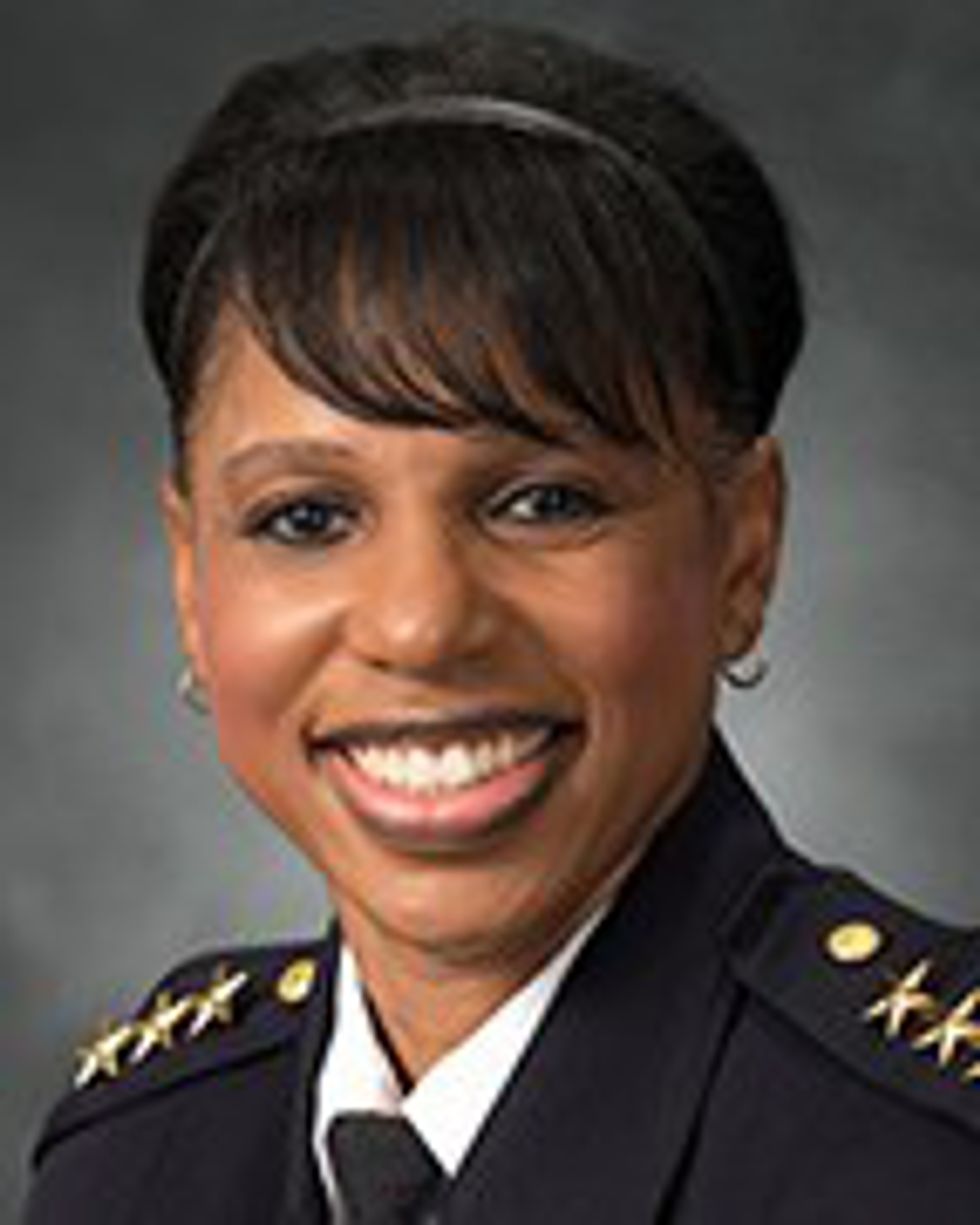
This week, I had the privilege of interviewing Mrs. Carmen Best, Deputy Chief of the Seattle Police Department. Deputy Chief Carmen Best is an influential African-American woman, a dedicated mother, and an accomplished law enforcement officer who is not only well-known but is also well-respected within the greater Seattle community. With the goal to produce an article that is both relevant and informative, I interviewed Deputy Chief Best with the hopes that she would provide the public with a unique and integral perspective on the greater narrative of law enforcement, of police brutality and of the flaws within the nation’s justice system as well as how we might come together to affect change within our communities. She did not disappoint.
Mrs. Best, as the deputy chief of a metropolitan police department and as a powerful and influential Black woman, what knowledge, if any, would you like to impart on those who don’t often get to hear a perspective as deeply involved in the nation's recent occurrences as yours?
What I would encourage people to do is to express their frustrations about any system that they have in a peaceful manner but I don’t want to make an opinion about people having frustrations. It’s clear that we’ve had some recent incidents that at best are highly questionable and at worst are downright criminal. But we do have to wait for due process to take its course. In the meantime we need to be examining those issues and having discussions about them and looking for strategies to make the needed changes. I don’t feel that they’re all necessarily focused on law enforcement. There are criminal justice issues and there are other issues nationally that have the undercurrent of race that we need to be looking at. While I encourage people to actively engage and to look for change where they see there’s a need for one, I want them to do it in a peaceful manner.
Have your respective positions, both within the black community and within the law enforcement community, ever proved to be conflicting either morally, emotionally or politically? What, do you think, is the greatest misconception surrounding law enforcement individuals?
I can tell you that I understand issues from my own perspective as an African-American, as a woman and as a mother. But I also understand some of the issues dealing with law enforcement and the history there. I’m very sensitive on both sides. When I take off my uniform and I’m walking down the street, I’m just another Black lady, you know, who has nieces and nephews and cousins and a dad and brothers, like any other African-American. I still, very much so, feel the issues that affect the community. Additionally, when I put on my uniform and I’m a part of the law enforcement community — well, I’m always a part of the law enforcement community — but I become noticeably a part of the law enforcement community when I have my uniform on, that comes with its challenges too. I really do believe that, by and large, most officers are really good, hard-working people who want to do the right thing, who believe in public safety, who want to be a part of the community and not a part from the community. Yet, we do have some bad apples out there. Every time we do something, they stain us and present us in a bad light. We have to fight through that, and that’s difficult.
Has your racial background had any influence or impact on your decisions or perceptions as a law enforcer? How, if at all, has your background shaped who you are as a deputy and how has being a deputy influenced your identity as a Black woman?
I never lost my identity as a Black woman, I recognize that. I came in as a Black woman and I’ll leave here as a Black woman. I am who I am. I came in one way and I’ll leave the same. I do have an understanding of some of the issues that we’re dealing with as African-Americans, as well as some of the issues that officers are dealing with. At the end of the day, we all want the same things. For the most part, we all want justice and fairness and equity. But we’ve had a long history of problems with law enforcement in our country. A lot of agencies are trying to deal with that but we still, very clearly, have problems. And a lot of that is not just law enforcement, its across the board. Often we’re dealing with the results failed systems: failed educational systems, failed work equity, failed mental health, crisis rehab — all of that has an effect on law enforcement. And, as I said, most officers are hard-working, good people. So we have to really work hard to make sure that we’re getting the right people on the force, and that we’re weeding out the bad apples — the people who have issues and problems. And this exists in every field, but its most recognized in law enforcement because as officers, we have the ability to take away people’s freedom and/or their lives. It’s a very serious issue, not to be taken lightly by any means. So I understand that, but I also understand that as an African-American woman we have a disparate impact on African-American people, African-American men in particular. We can’t ignore that. The data and the stats show us that so we need to deal with it and address it head-on. I’m very aware of those issues and I’m continuously, in my own area, trying to work on them. I can’t affect everything in the country, I can’t do anything about Louisiana or New York or any place else, but here, where I am, I’m trying to make a difference and I hope that if more people will come in, they’ll try to do the same.
Do you have any final comments you wish to share with the public regarding current events within the United States? What do you hope to instill in all those paying attention to and involved with recent efforts to expedite the road to justice and equality?
We all need to be taking a look at this and taking action, but it needs to be positive action. It shouldn’t be violence and anger. Those won’t move us forward. We have to find a constructive conversation, a constructive action to move the needle in the right direction and to move us forward in this. The days of ignoring it or not paying attention to what’s happening, those days are over. It’s very evident that we need to do some reform. And I hope that people, all people, no matter color or race, will recognize the importance of justice, of fairness, of equity and work toward those goals. I would also suggest that we need law enforcement agencies, and across the board we need to have jobs and professions that reflect the community so that there's not one predominant culture directing the decision making and the impacts on our communities. Everybody should be involved and have a seat at the table.