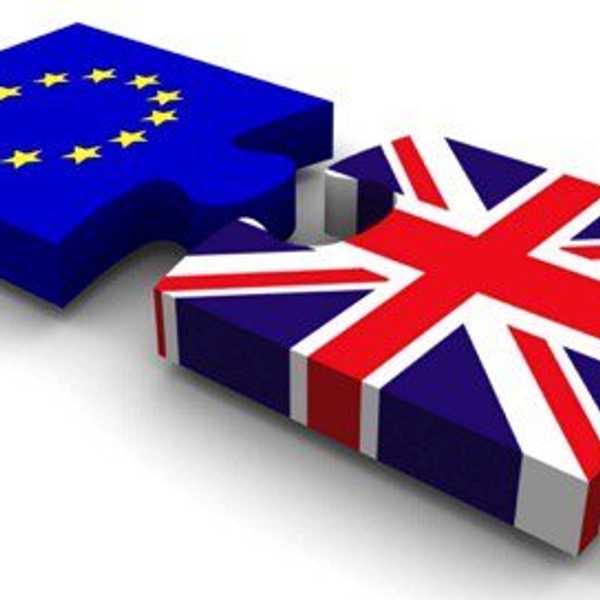
Last week, Britain voted to leave the European Union. This is a first: no country has ever done this in the 60-plus year history of the group, excluding Greenland when it seceded from both the EU and its member state, Denmark, in 1973. Watching the results trickle in on Thursday night, staring at the Guardian's oddly disfigured cartoons of a disappointed David Cameron and an elated Boris Johnson as the Leave votes ticked upward, I and many others in the US knew a full half-day before most in the UK did: something was happening that had never happened before.
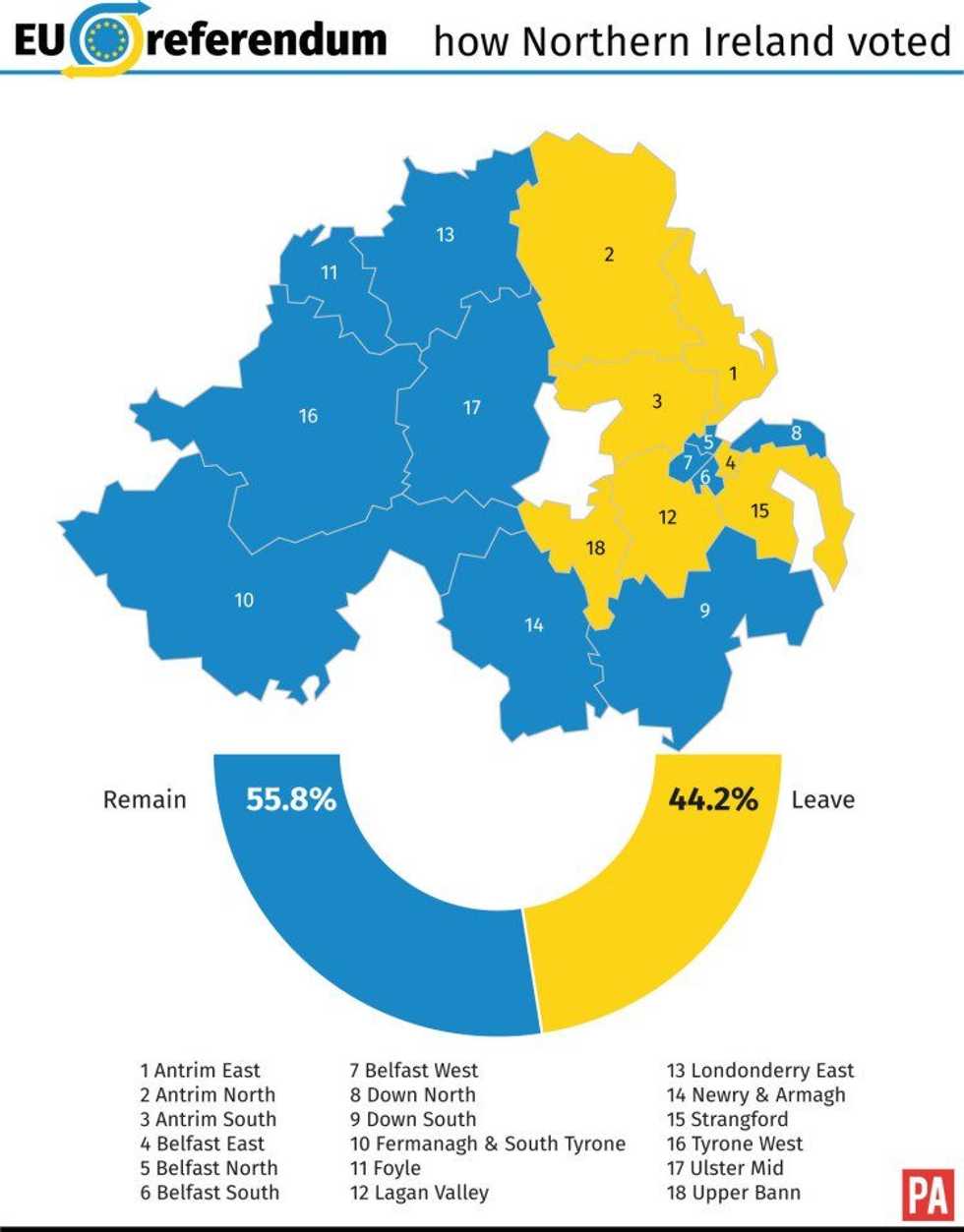
But of course, the UK isn't just England: it's also Scotland, Wales and Northern Ireland. Representatives from Scotland have already announced that it will likely hold a second independence referendum, not surprising considering that one of the main reasons the first failed to pass in 2014 was the country's desire to remain in the EU. Though Wales and Northern Ireland have not yet officially organized a referendum, Martin McGuinness, the country's deputy First Minister, has called for one. There are, however, two parts to the decision in Northern Ireland: a referendum to leave the UK, and one for reunification with the Republic of Ireland.
This is partially because of The Troubles, the ethno-nationalist conflict that began with civil rights marches and riots in the 1960s and ended with the Belfast or "Good Friday" Agreement in 1998, and was largely fought over the constitutional status of Northern Ireland. While it has been nearly 20 years since the peace agreement, Northern Ireland has only recently recovered from the conflict—or perhaps, as violence has declined but not disappeared in the past two decades, a better phrase might be "begun healing." But now that England has left the EU, an arrangement that most in Northern Ireland are not satisfied with, no one knows exactly what their next step will be.
The physical border (or "hard border") that stood between the two countries is much less strictly policed, and going between the two countries has become easier. This was largely the result of the Good Friday Agreement, which put a lot of emphasis on making the border safer and less important. Now, if Northern Ireland stays with the UK, that border may need to be reinforced to control goods and people traveling over it. (One of the main benefits of EU membership is the ability to freely move goods and people between member countries.)
Many in England, especially young people who voted for Remain, have said that they feel Brexit is dragging the country and its citizens back into the past. This goes doubly for Northern Ireland, and bringing back that past is a sore subject for many whose lives are still affected by the aftermath of The Troubles on a daily basis. However, it's also important to remember that many in Northern Ireland and the Republic of Ireland feel ambivalent at best toward the UK, and support reunification as the best way to heal the divide between what they still see as one divided country.
But either way, it's clear that Brexit has frustrated those who want to stay with the UK, and has given those who want to leave it even more reason to do so. Many in the UK and elsewhere are becoming more and more convinced that the triumph of the Leave vote is not only xenophobic and harmful to countless groups including artists, migrants and EU citizens residing in the UK, but also much farther-reaching than it first appeared.