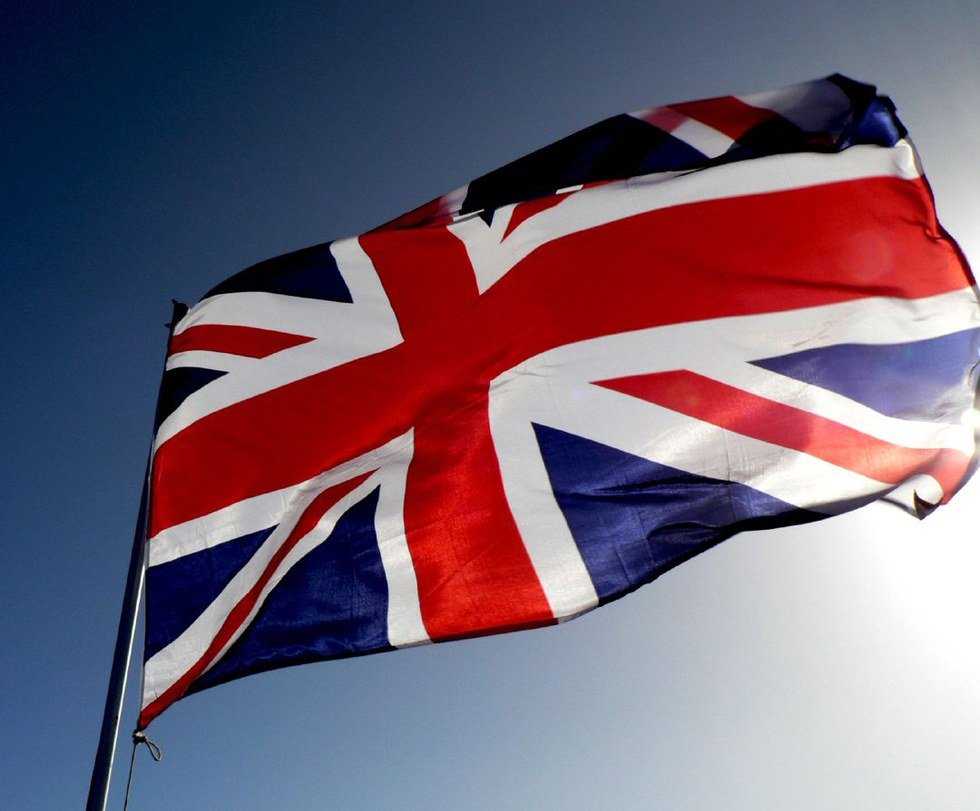
A few nights ago, I was sitting in a coffee shop with a couple of friends when a notification sprang up on my phone — "British vote to leave the EU." Appalled, the three of us immediately started questioning how the people of the United Kingdom could've let this happen. One of my friends suggested that it had to be xenophobia and racism, the other recommended Britain's colonial roots leading to an inflated sense of superiority.
While these sentiments no doubt contributed to a majority of U.K. citizens checking the "Leave" box on their ballots, another problem presented itself the following day — the issue of uninformed voting. As a referendum only needs a simple majority in order to pass, uninformed voting is all the more detrimental to the process.
It seems that many British voters did not realize the implications of leaving the EU until after they had cast their votes. The Washington Post reported a woman informing the news channel ITV News: "Even though I voted to leave, this morning I woke up and I just — the reality did actually hit me. If I'd had the opportunity to vote again, it would be to stay."
Another Brit who voted "Leave" told BBC: "I'm shocked & worried. I voted Leave but didn't think my vote would count - I never thought it would actually happen."
According to The Washington Post, eight afters after the polls closed, Google searches for "What happens if we leave the EU?" more than tripled. Additionally, since the results of the referendum were announced, the question "What is the EU?" was the second top Googled question in the U.K. pertaining to the European Union.
There are not yet statistics for what percentage of voters did not, in fact, know what the EU was or what the consequences it would be for the UK to leave it, but uninformed voting was clearly a contribution. As "Leave" won by such a narrow margin, it may even have been a determining factor. Perhaps if British voters Googled questions about the EU before they voted, the referendum would not have yielded such detrimental results.
Uninformed voting is by no means an isolated problem, nor is it limited to referendums or British voters. In the final weeks of 2015, Just Facts issued a public opinion poll to measure voters' knowledge of issues in the United States before casting their ballots for candidates. Voters were asked questions about "education, healthcare, taxes, government spending, global warming, Social Security, energy, hunger, pollution, and the national debt." The poll showed that a majority of respondents only answered six out of the 23 questions correctly.
Reporter Steve Chapman wrote in the Chicago Tribune: "Many won't learn the most rudimentary facts about the people running for office and the policy issues they will have to address. Some of us will jump to believe any half-baked rumor or stereotype that confirms our prejudices." Another poll conducted by Rasmussen Reports indicated that 83% of responders did not believe the American people to be informed voters.
We may all be guilty of uninformed voting. Personally, I distinctly remember a few years ago, when I checked a name for my school board because I liked the sound of it over the other names. But since the problem may lie with all of us, so too would the solution.
Whether in the U.K. or the U.S., for an economic referendum or a political election, informed voting is essential to a functioning democracy. So please, before going out to cast your ballot in the next election — be it local or federal — take a little time out of your day to do some research.