
For those days where you wake up with a heavy heart, knowing that the crushing weight of your negative thoughts or repetitive worry cycles are going to be an uphill battle, a book can really help.
In those moments in which I was having a panic attack, not directly because of my worries, but because of the fact that I was worrying again, I wish I would have discovered these books sooner.
Everybody has their own way of dealing with anxiety and/or depression; two opposite ends of a spectrum, but equally debilitating. I've tried it all, even going so far as to have weekly visits with a neurobiofeedback doctor, who glued wires onto my head, made me play this "mind games" on a computer, put me in hypnotic states, and determined that my brain doesn't produce alpha waves, or the waves needed to induce relaxation.
But, I humbly suggest the following books, which I cannot claim will cure anxiety and depression, but they certainly helped me. I hope they will help you as well.
1. The Power of Now, Eckhart Tolle
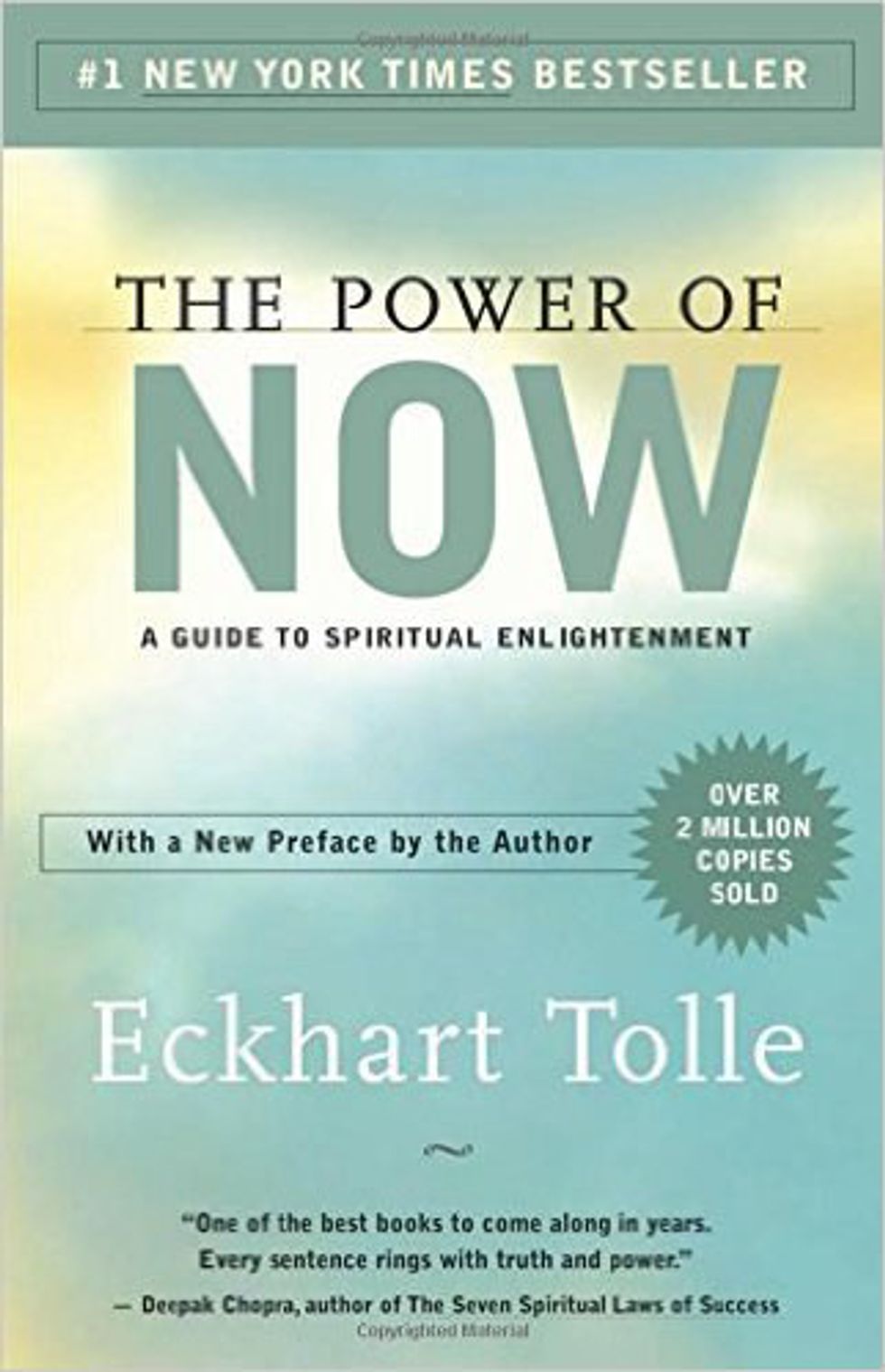
This book may be the one that induced the most significant change in my consciousness. "Consciousness" could imply many things, but perhaps the most pertinent definition is being aware. Awareness implies watching your negative thoughts with a degree of separation, so that they cannot own you. Tolle brilliantly and simply describes this somewhat complex idea, and separates negative mind patterns into concepts known as the "ego" and the "pain body"; and asserts that they are not a part of who you truly are. The true self is undisturbed by outside forces, and exists in a blissful stillness. I would recommend this for the purpose of taming negative thoughts, and practicing positive awareness, a good tactic for keeping self-destructive mind patterns at bay.
2. Conversations With God: Book 1, Neale Donald Walsch
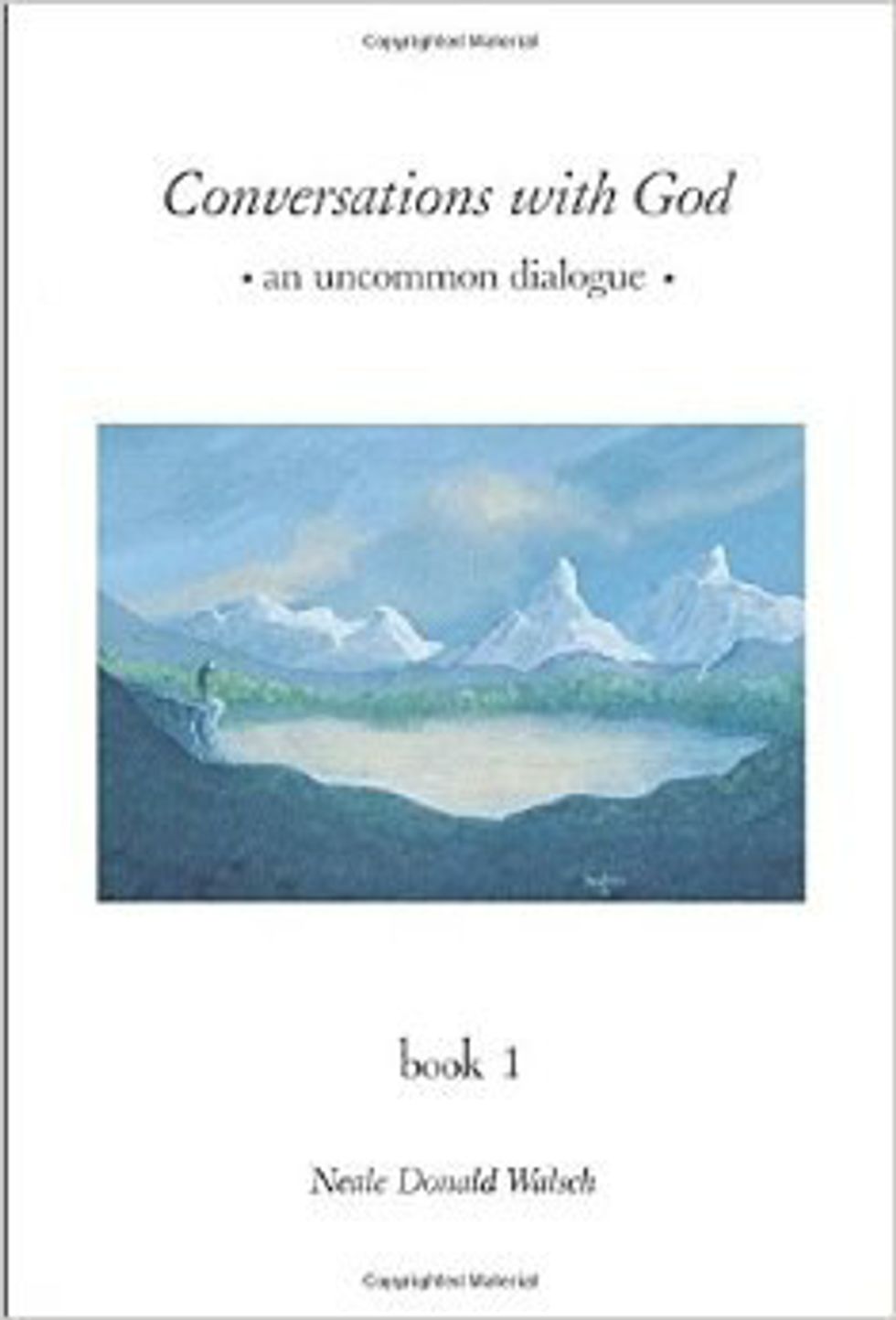
This book would be on par with The Power of Now in terms of helpfulness, but in different ways. The book is written by Walsch, who claims that God (a non-religious one) spoke through him by way of automatic writing, and when he would write questions to God, God would take control of the pen and write back. Whether or not you believe the validity of this is pretty irrelevant, as "God" in the text answers Walsch's tough questions with a superior and peaceful knowledge, and proposes ways to live life in a way that invites no revision; as peace, love and connection is at the core of the words. This is a good book to help with anxiety, as it allows one to ponder questions that are bigger then them, and brings one out of the prison of the mind through metaphysical pursuits.
3. A Course in Miracles, A Course in Miracles Society
This book is incredibly dense, so be warned. But if you can manage to read a bit at a time, there is great knowledge implanted in every word. The book teaches one how to enjoy and appreciate life, with the central teachings of love and connectivity.
4. The Island, Aldous Huxley
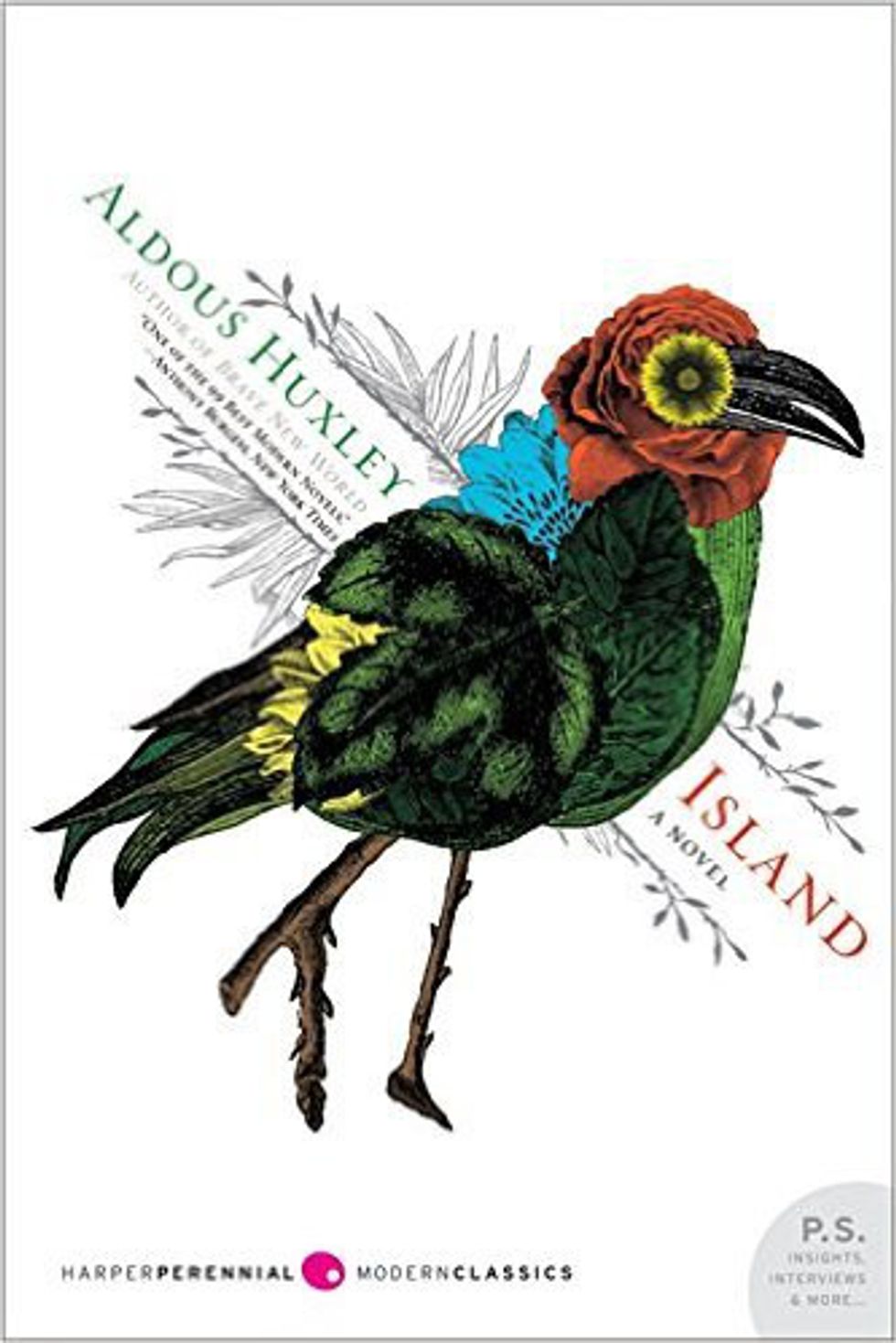
Huxley's last novel is in stark contrast to his earlier books, such as his most famous Brave New World. Instead of a dystopia like in the latter, this book focuses on the utopia of Pala, an untouched island versed in eastern mysticism. The book contains much imagery and prophetic poetry, and contains elements such as parrots who say "Here and now" to remind the villagers of the island to always be alert. This book contains all of the teachings of the other three books, but is written in a way that is perhaps more enjoyable for some- with a fictional and entertaining narrative.