Documentaries are known for illustrating factual records and reports on sensitive subjects. Some of the most famous of these cover political conspiracies and nutrition fallacies. Fahrenheit 9/11 was an extremely controversial film that was as popular abroad as it was stateside; racking up nearly $222.5 million USD at the box offices it is known worldwide for its analysis of the tragedy that was 9/11. Supersize Me was nearly just as popular, raising $22.23 million USD with a day by day account of a man who ate breakfast, lunch, and dinner at McDonald's. However popular these two types of documentaries may be, one took the entire film industry by storm.
The film shocked people near and far. No one was expecting it, but the documentary managed to take down a 57 year old industry by instigating an astounding 87% drop of profits. SeaWorld, the industry that had won the hearts of San Diegans and world travelers, was attacked by the Dogwoof production titled Blackfish; as I'm sure many of you can assume, the amusement park is not predicted to have a recovery anytime soon.
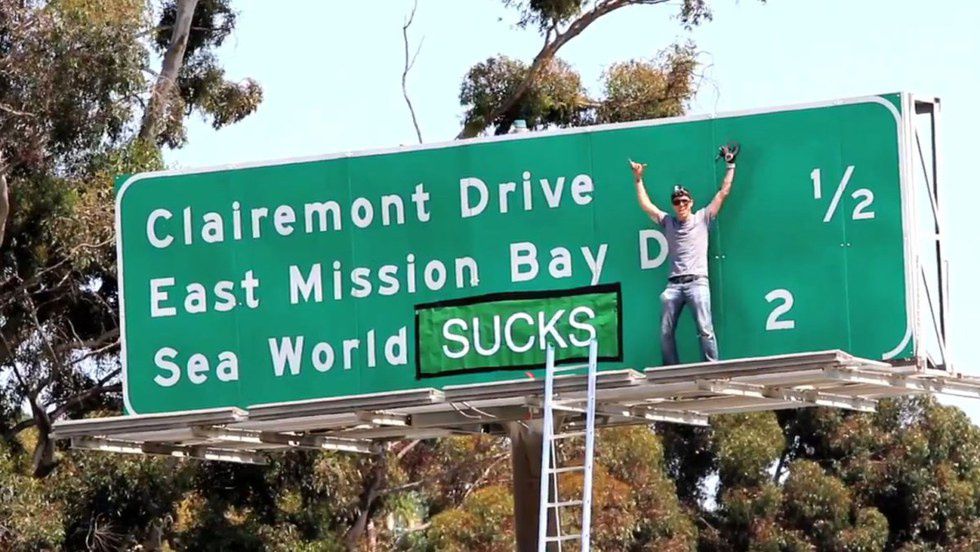
If you haven't seen Blackfish, here is a short introduction:
1. The orca Tilikum, the whale who killed several people while in captivity, and his 20 years in captivity was the main subject of the film;
2. Dawn Brancheau, was the young trainer who was most infamously killed by Tilikum;
3. Orca whales are proven to be in need of wide open spaces, something that SeaWorld does not have;
4. The way in which orcas are captured for SeaWorld was personified as inhumane
and
5. The training forced on the whales for SeaWorld's famous Shamu Show was shown to be brutally extensive and physically damaging.
Nearly 700k viewers watched its debut on CNN and with an unprecedented amount of viewers watching it over-and-over on Netflix, the film was made waves. SeaWorld has since lost $25.4 million in revenue, planned to phase out all further showings of their One Ocean orca show, and confirmed that they would no longer breed or capture any more orcas.
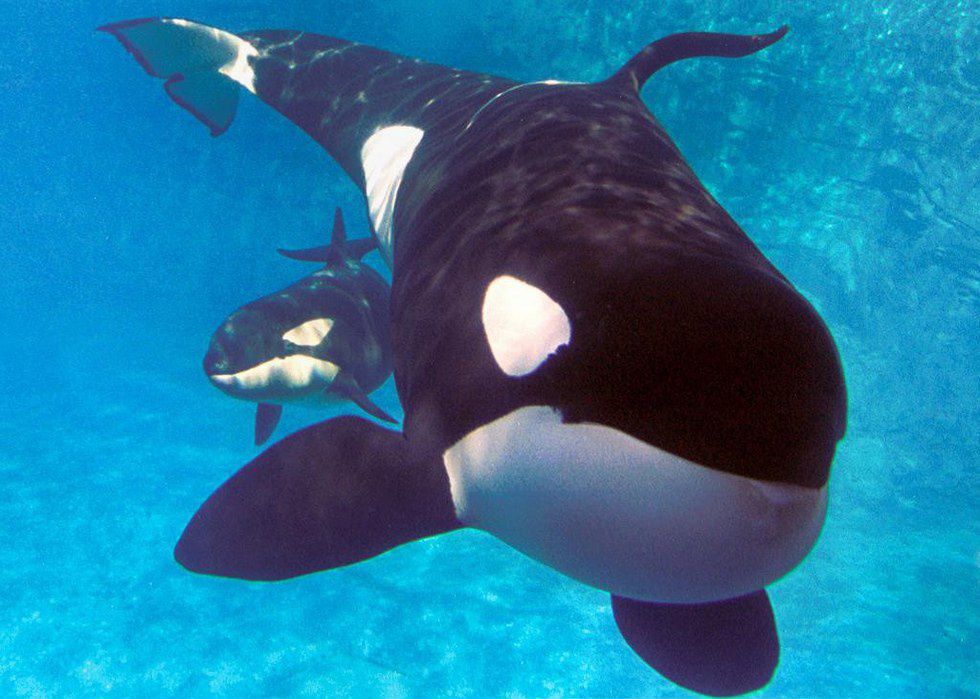
However you may feel about the changes made, Blackfish has influenced a whole new world for marine animals that should definitely be recognized- in a positive way.
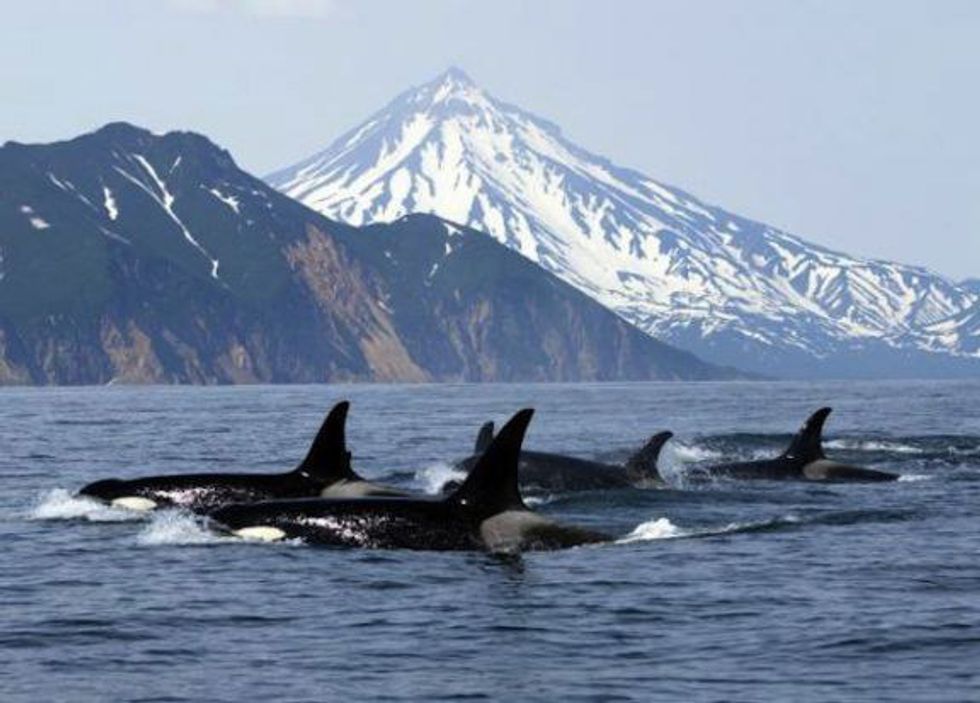
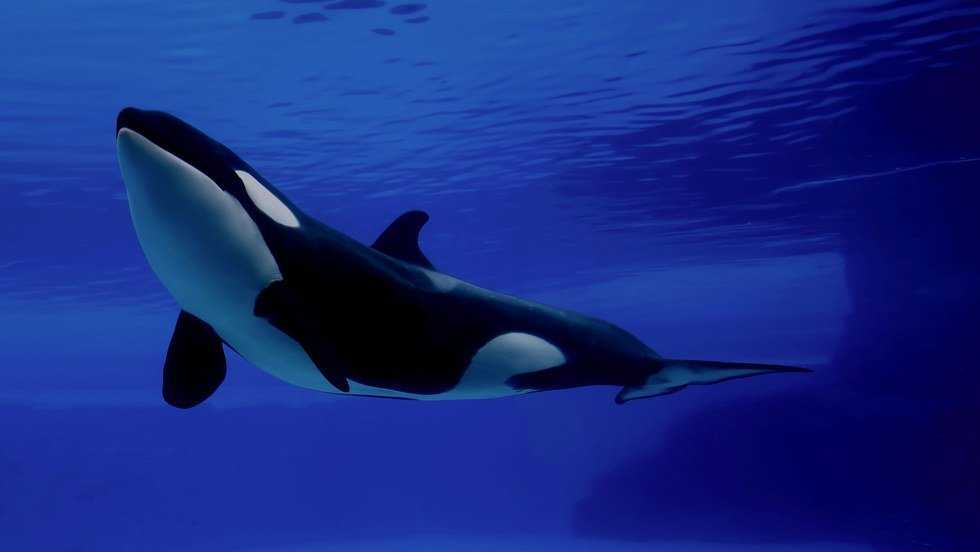
Before Blackfish was released, I was completely clueless to the lives of the animals I was seeing at SeaWorld. From what I knew, the black whales (who are actually part of the dolphin family) with the large white spots for eyes were 'Shamus'. What was an orca, anyway? I was far too fascinated with their theatrical acrobats and their deep water dives to really focus on who and what they were.
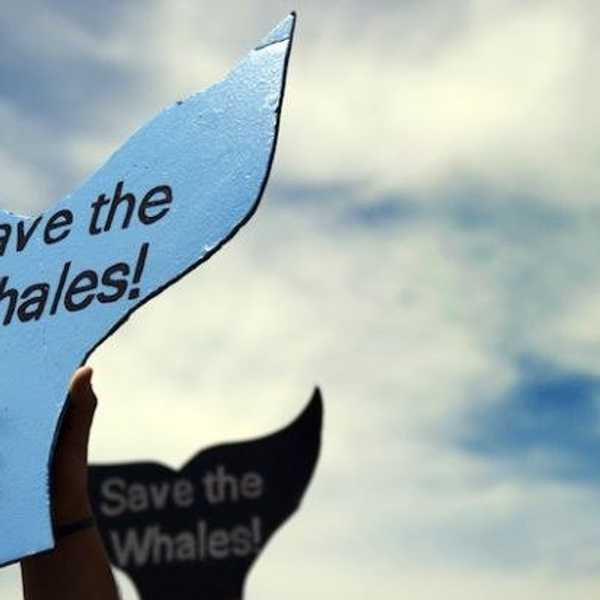
Now that the film has reached nearly every household in the nation, anyone on the street can tell you what kind of animal Shamu is. People now know the history of these magnificent mammals, and people everywhere are aware of the needs these ocean creatures have. This education goes far beyond killer whales alone, and nothing deserves more credit than this film. Hundreds of petitions were published on change.org asking for change in areas far broader than what the film had covered.
Whether Blackfish director Gabriela Cowperthwaite intended it or not, this film has transformed the way people feel about animals. Underwater and surface living, all creatures have gained instant stardom from this film and conservation efforts are seeing a surge in participation.
You don't need to take a black or white stance on the issue, but rather appreciate the gray areas that have created such positive change.