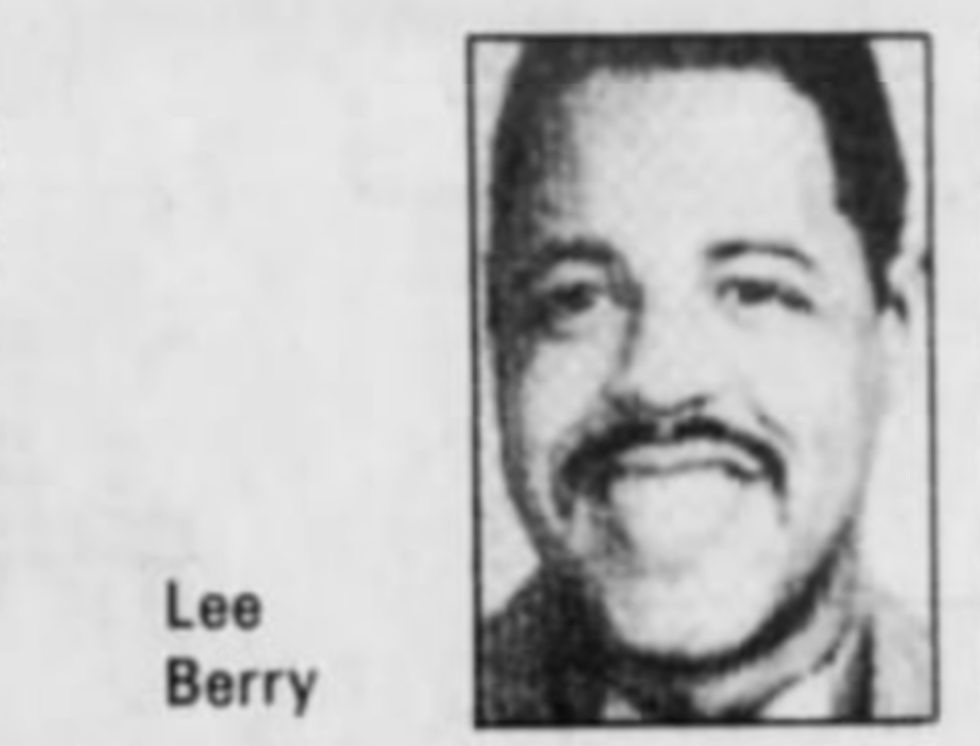
On June 23rd, 26-year-old Lee F. Berry Jr. drove carelessly while on his way to his family residence in Detroit, Michigan. He committed several misdemeanor traffic violations, which included running multiple red lights, driving on the wrong side of the road, and passing three other vehicles that were stopped at a light.
In place of a traffic ticket, Berry received two fatal shots to the back and head by Officer Joseph Hall. Hall claimed that Berry attacked him during the attempted arrest.
Hall was later exonerated by his department after an investigation and, during the subsequent civil trial, awarded disability payments for the psychological trauma from the shooting.
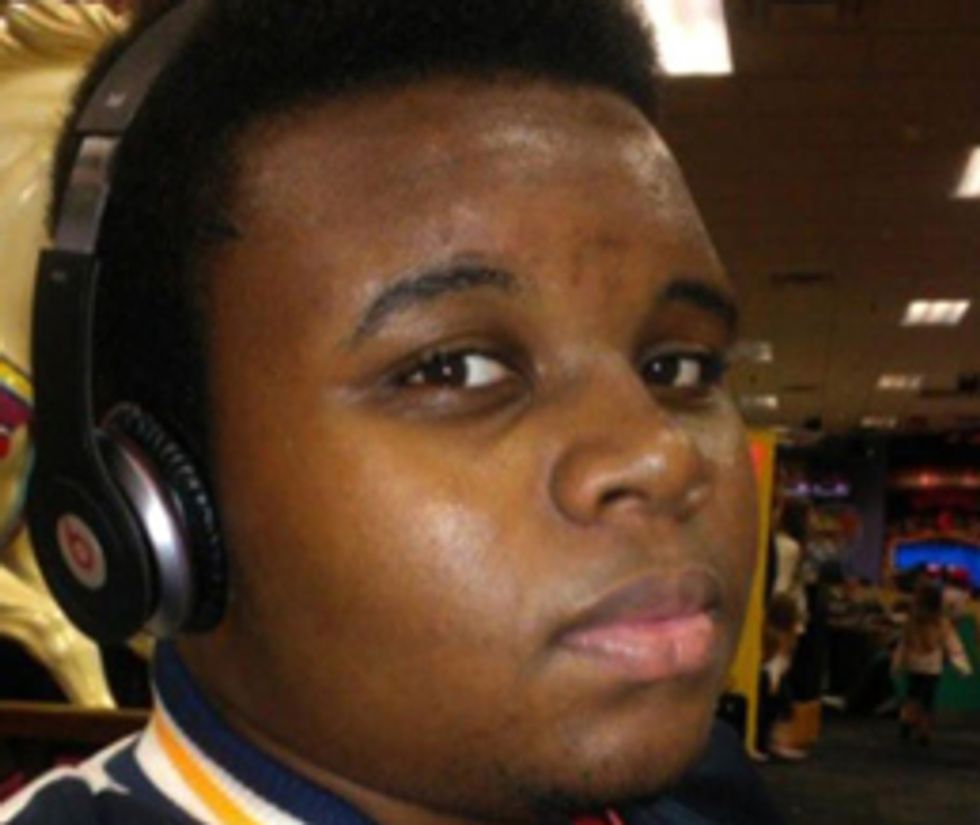
Similarly, on August 9th, 18-year-old Michael Brown allegedly stole a pack of cigarillos from a local convenience store. Brown was stopped by Officer Darren Wilson, who was unaware that he was considered a suspect in the alleged robbery. In a span of less than two minutes, Wilson, who reported that he feared for his life, fired 12 shots at Brown—two while inside his SUV, 10 on the roadway.
Brown was fatally wounded by eight of the 12 shots. Although Wilson was not indicted, he later resigned a millionaire from donations and televised interviews.
Berry was killed by Officer Hall in 1987.
Brown was killed by Officer Wilson 27 years later, in 2014.
Now, nearly four years later, and despite nationwide protests, a declination of police officers murdering civilians is unlikely.
From the slave patrols (that are considered to be the first modern police organizations in the country), to the Civil Rights Movement, to Rodney King, to Charleena Lyles, police brutality is an issue that has plagued Black communities for countless generations.
“The experiences of involuntary importation, enslavement for over two centuries, and 100 years of legal and political disenfranchisement have placed African Americans at high risk of persistent victimization that continues today." —Black Political Ideologies: Conceptions of African-American Subjugation and Social Welfare Policy Intervention, Schiele
With such a long-standing history of brutalization, coupled with horrifying statistics, one must ask why this issue has yet to be remedied. The questions on the minds of so many are, what is the solution? How can we prevent police officers from shooting and killing people?
Pertaining to matters that immediately affect or oppress Blacks, many African American ideologies have proposed possible solutions. However, just as the Black community is not one homogeneous group, the same is true for Black ideologies. The various ideologies suggest differing answers to issues, whether it be economic inequality, discrimination in the workforce, or, for relevance, police brutality.
A handful of some of the most prominent African American ideologies, such as Radical Egalitarianism, Black Nationalism, and Black Conservatism, would offer opposing solutions to the issue of police brutality.
Radical Egalitarianism is a form of Black liberalism that advances the idea that African-American subjugation can be eliminated by persistently challenging racial inequality within the confines of the existing U.S. political and economic order. It is exemplified in Dr. Martin Luther King Jr.’s “I Have a Dream” speech. Other influential Black thinkers such as Fredrick Douglas and Ida B. Wells have held to the belief and practice of radical egalitarianism, as well.
According to radical egalitarians, American Liberalism has failed African Americans, evident in the deliberate disenfranchisement of Black people, the inhumane implementation of the Southern Jim Crow laws, redlining, widespread discrimination, and the cruel brutalization of Blacks by law enforcement.
Through activism such as protests, demonstrations, and governmental pressure, radical egalitarians believe that the political system in the U.S. can blossom to protect and provide full and equal rights to Blacks, and it can live up to its principles.
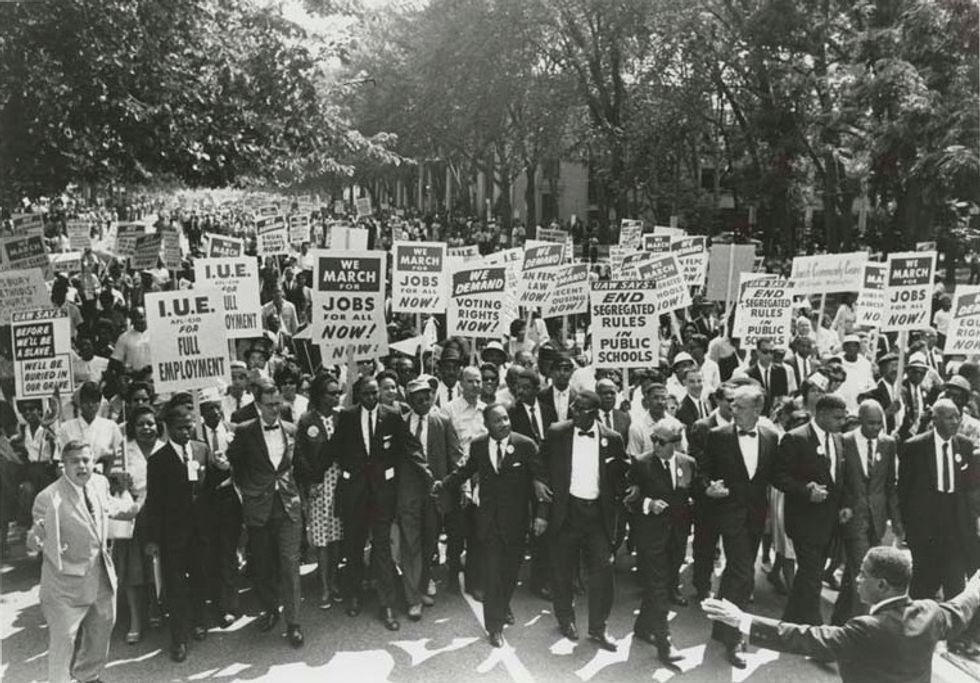
Additionally, a strong, fully cooperating, central (federal) government is seen as instrumental to the campaign for equality, as state governments, particularly in the U.S. South, have not fulfilled their responsibilities in ensuring African Americans’ equality. The ideology holds that racism will end once “…vigorous debate and social action demonstrate the untruthfulness and moral bankruptcy of its basic principles and assumptions,” thus leading to the eradication of any barriers that may hinder Black progress. Furthermore, capitalism is thought to be fundamentally sound, yet reformable. Allying with whites is seen as a necessity to success.
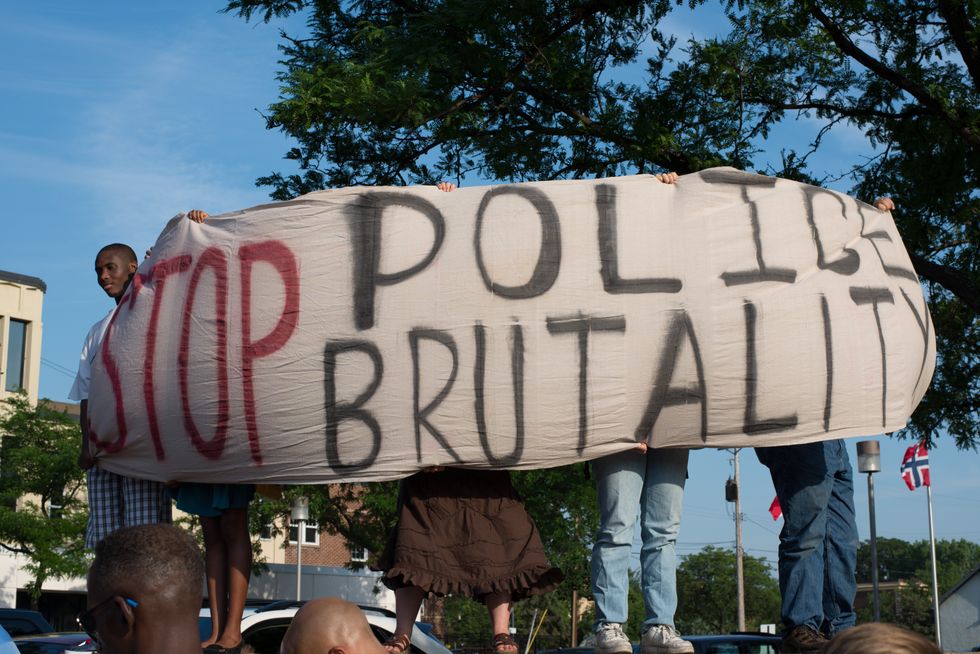
Radical Egalitarianism offers, what seems, multiple pathways to ending police brutality: protesting in the streets (to raise awareness), pressuring local and federal governments (to initiate laws), and allying with white folks (to broaden the cause and make it relevant to all). However, the issue that remains is this notion of applying a proverbial band-aid to a large and festering sore, which does nothing in the end.There is a true belief that if the United States implements laws that are intended to end inequality, then inequality will actually come to a screeching halt. Yet, even with the passing of Brown v. Board and the Civil Rights Acts, both major political victories for Blacks, there is still contemporary segregation in schools, there is still discrimination, and there is still rampant racism, despite the Civil Rights Acts’ passing.
.jpg)
Radical Egalitarianism doesn’t recognize the depth of racism in America, and because of this, it can never truly remedy African American issues, especially police brutality.
Black Nationalism is one of the oldest African American ideologies.
As “[t]he majority of African Americans see themselves as a nation within a nation, a people distinct and different from an ethnic group,” Black Nationalism seeks to completely remove Blacks from White America in every sense of the word: socially, economically, politically, culturally — complete autonomy.
While Radical Egalitarianism views the ineffective application of the fundamental tenets of the U.S. Constitution as the direct cause of Black folks' lack of equality, Black Nationalism considers race as the central issue for Blacks in the U.S., and it also recognizes that this country is inherently racist. As self-sufficiency is one of the goals of Black Nationalists, it is counterproductive to enlist the help of allies that are not a part of the Black community.
Moreover, other ideologies are regarded as “…the tools of white oppressors," likely because of the their reliance on the empathy and support of white folks. Black Nationalism is reactive in nature; self-defense and physical retaliation are as viable an option as peaceful protests…” by any means necessary,” famous words said by Black Nationalist Malcolm X.
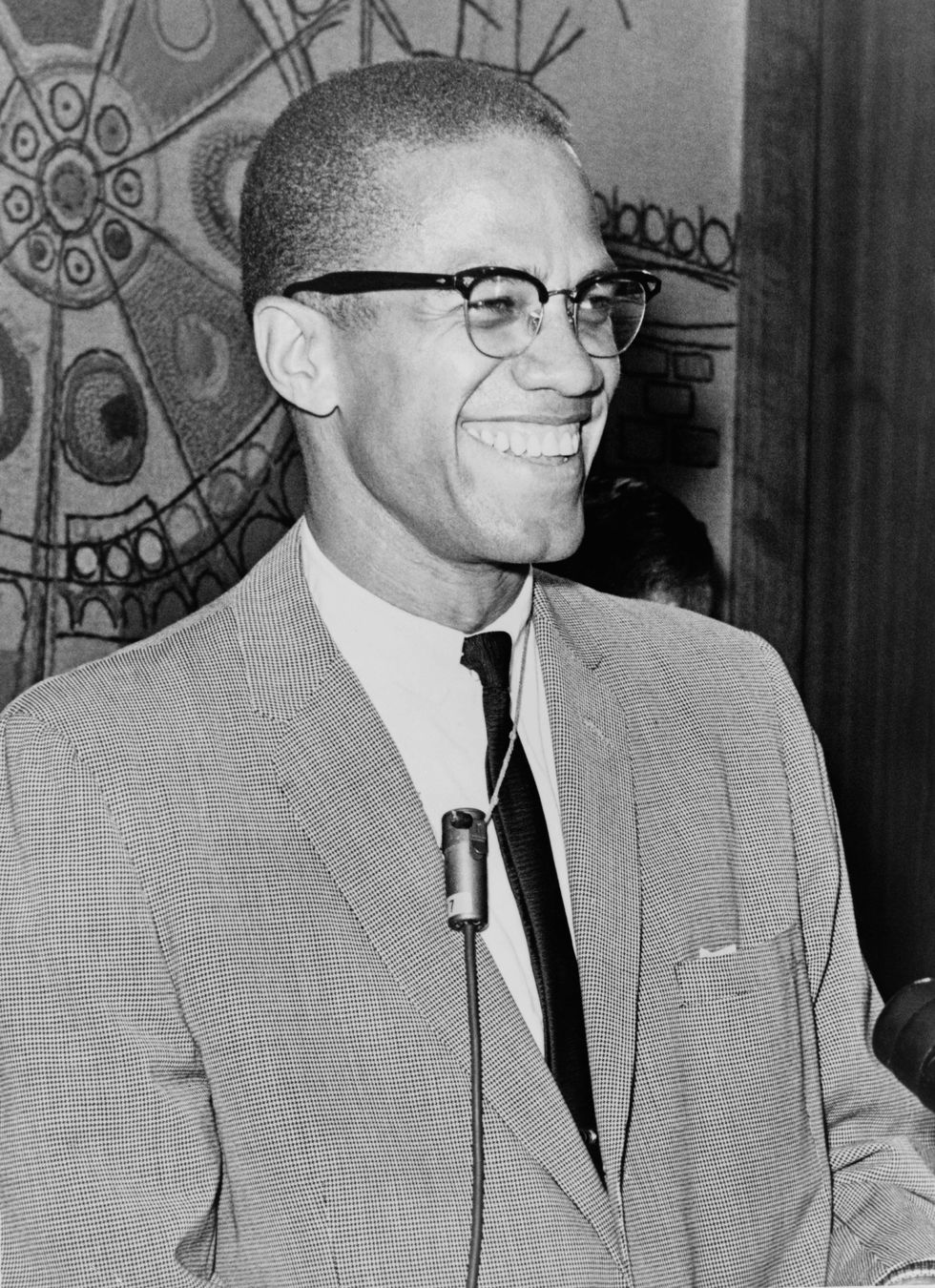
Under Black Nationalism, the most obvious solution to police brutality is to separate entirely from White America’s policing system and create a new, autonomous system. Likewise, another solution would be to fight back and overturn the deep-seated racist system of oppression in this country, in whatever way deemed fit.
Separation, however, is much easier said than done, and Black Nationalism offers no plan for such a move; also, a “revolution” is alluded to, but the aftermath instructions are conspicuously vague. With the monolithic African American community, it is nearly impossible for one to join all Blacks under a singular cause, at least not without more detailed plans and processes.
As was previously stated, there is an array of Black ideologies, each one different and distinct. Black Conservatism is certainly unlike the aforementioned Black ideologies, as it is characterized by the ideal of “pulling yourself up by your bootstraps." That is, self-help and self-reliance are crucial tenets of the ideology, as well as total independence from the state (governmental intervention, welfare programs, etc.) and a strong allegiance to capitalism.

Economic strategies to equality via capitalism are deemed superior to the political strategies reminiscent of Radical Egalitarianism, and even Black Nationalism, as capitalism, the ideology insists, provides an equal chance of success for all.
“…No matter how whites attempt to block Blacks from full participation in the American system, whites will be defeated by the universality of those systems." — Black Conservatism in America, Lewis
Black Conservatives wish to distance themselves from focusing on race, oppression, and other barriers that many African Americans must face, and instead, they prefer to steer the conversation toward the achievements already made thus far. Further, Black Conservatives actively and ardently seek to ally with whites to advance the progression of Blacks.
With this is mind, it can be challenging for one to find the solution to police brutality in Black Conservatism. The ideology is not one for progressive acts. Black Conservatism acknowledges the existence of past discriminatory practices but argues that any contemporary inequalities result more from behavioral pathologies — such as unwed motherhood, drug addiction, and hip-hop culture — than from systemic racism.
.jpg)
In the eyes of a Black Conservative, such as David Clarke (pictured above), police brutality is not an issue of race, but of the culture of the victims. Meaning, the conversation regarding an incident similar to Brown’s case would focus only on the reason Brown “stole” the cigarillos, why he "attacked" the officer, and a general disapproval of his “noncompliance” to Officer Wilson — essentially, victim blaming, which furthers no causes, sides immediately with the perpetrator, and undermines the traumatic experience of the victim.
Additionally, the ideology believes strongly in “the ultimate benevolence of the American social order” and stressing “current Black accomplishments in the face of obstacles, rather than in emphasizing the hardship of the past, or proposing a radical new restructuring of society," per Tunde Adeleke in "Black Radicalism and Black Conservatism as Complementary and Mutually Reinforcing: The Political Pragmatism of Martin R. Delany."
So it must be asked, how can one implement true change under an ideology that does not wish to do so?
Berry and Brown’s cases are by no means rare. Though only a handful are given extensive media attention, there are countless incidents prior to Berry, prior to Brown, and after Brown, in which African Americans are killed or brutalized at the hands of law enforcement.
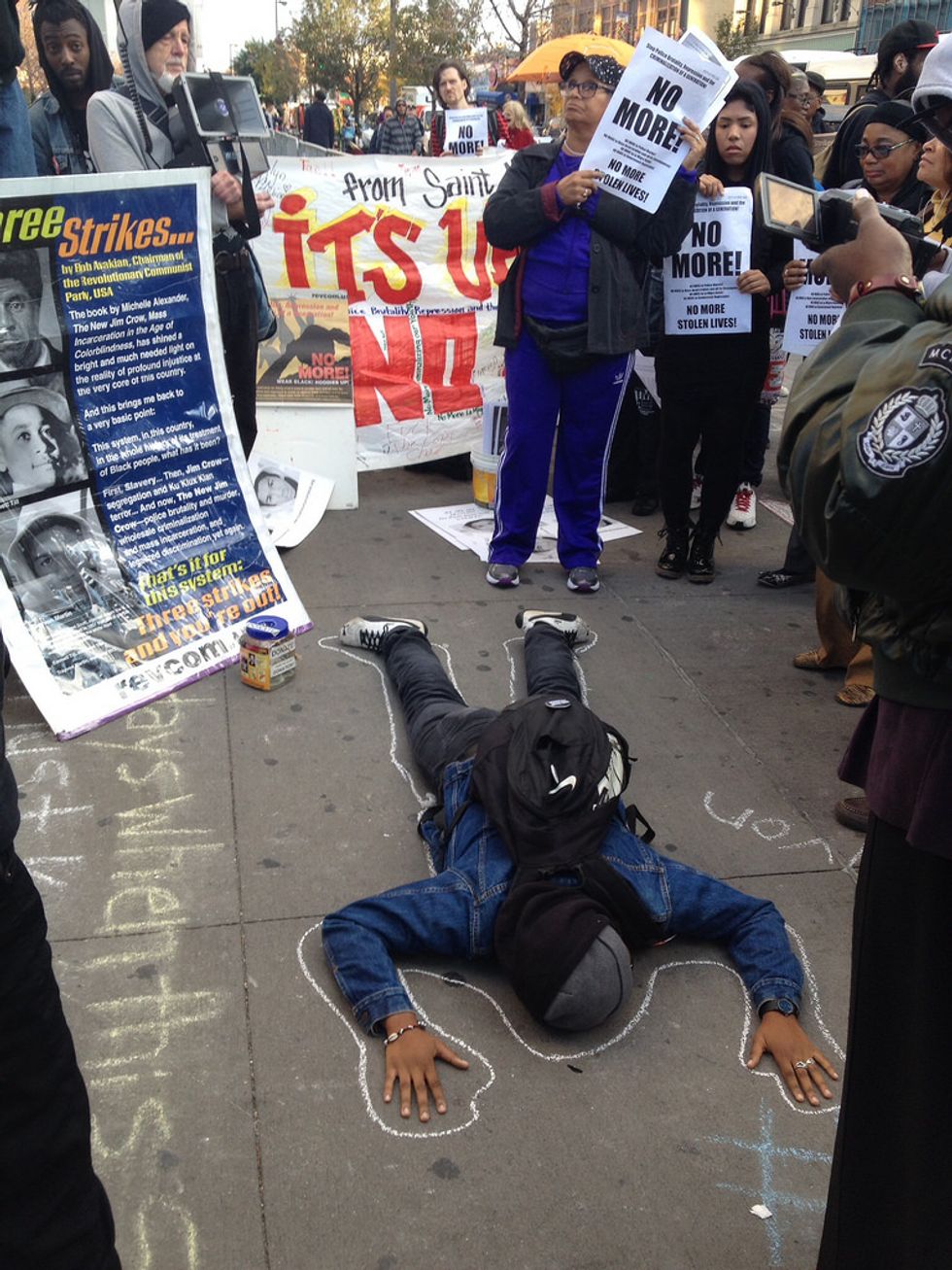
Focusing more on contemporary times, this year alone, as of October 11th, nearly 1,000 people have been killed by police. However, due to the fact that officers are not required to report the civilians they murder, there is a high chance that these numbers do not accurately reflect the reality of this sobering situation.
Though Radical Egalitarianism, Black Nationalism, and Black Conservatism provide possible solutions to police brutality, none of these ideologies fully settle the issue, each lacking.
With the exception of Black Conservatism, which offers no real solution at all, the other ideologies combined (small pieces of Radical Egalitarianism and large chunks of Black Nationalism) together, could, in theory, remedy the situation. For instance, a combination of Radical Egalitarianism’s multifaceted options of activism along with Black Nationalism’s assertive attitude on achieving equality and frank views of the plight of Black folks in United States would be an effective start.
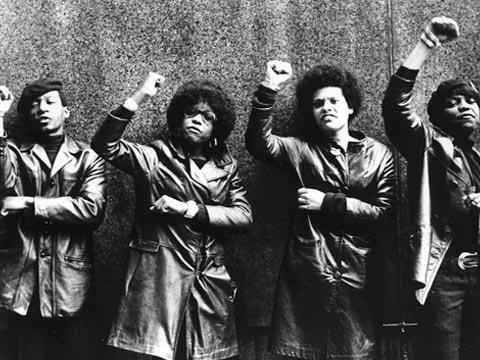
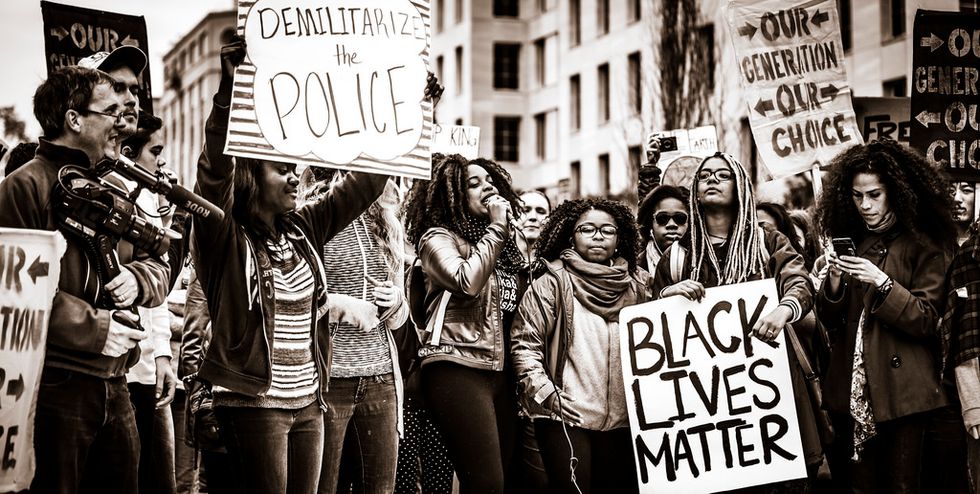
Like the Black community, together they are more powerful, more effective than they are alone.