
Miss the days when you could actually fit an iPhone into the palm of your hand? You might just be in luck. Although the ingenious creators of the iPhone have been grappling with some controversial issues related to the terrorists of San Bernardino phones' passcodes, Apple Inc. has not forgotten about the old-time phrase, "Out with the old and in with the new." Except, however, it turns out Apple's new iPhone release might be better phrased as, "Out with the new and in with the old."
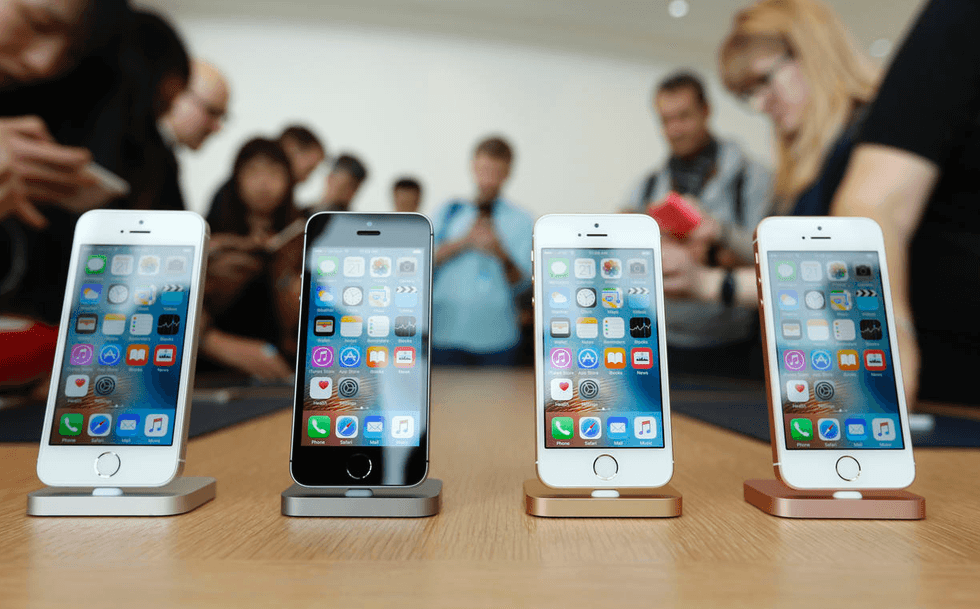
On Monday, March 21, at Apple Inc.'s 2016 Spring Event in Cupertino, California, Apple Vice President Greg Joswiak announced that there will be a new iPhone successor: the iPhone SE.
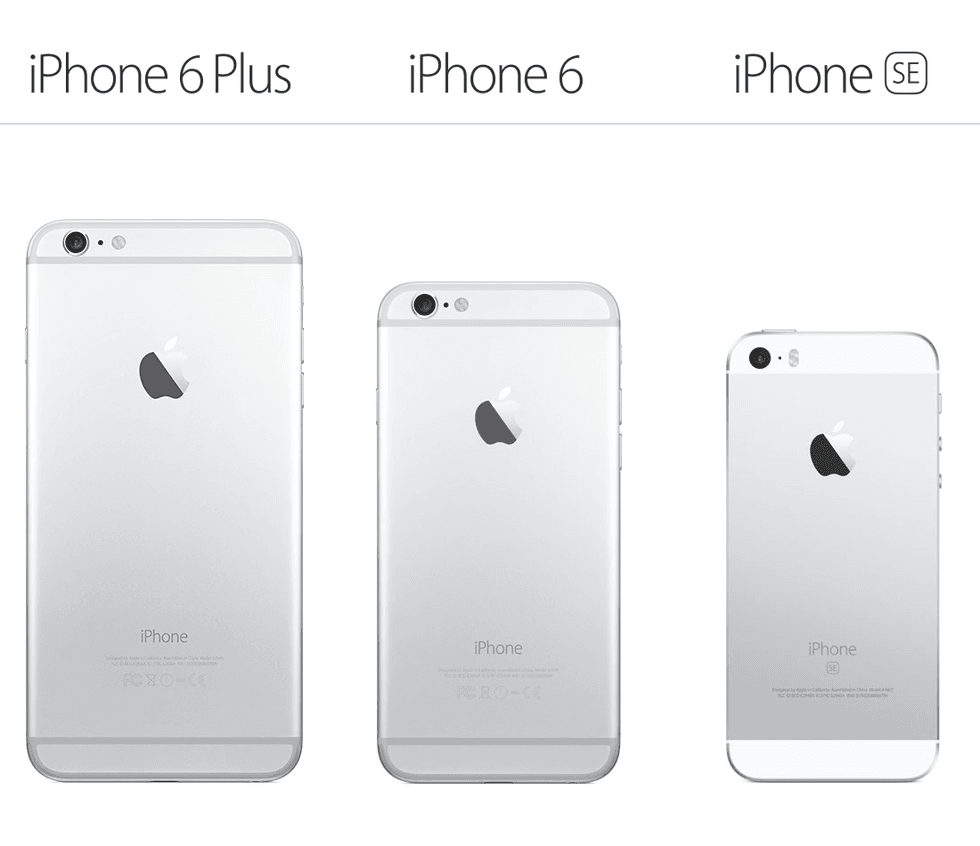
The iPhone SE takes the shape of the iPhone 5s with a 4-inch model, which is significantly smaller than the iPhone 6 and 6 plus models of 4.7-inch and 5.5-inch sizes.
A throwback to a smaller model of the iPhone has some of us wondering about the reasoning behind the recent announcement. As it turns out, the switch-up may have to do with Apple's iPhone sales after the first quarter of 2016. The New York Times reported that iPhone sales rose less than 1 percent over the past year, which is the smallest one-year growth the iPhone device has ever seen. I suppose I don't blame them for trying to appeal to a different market seeing that the iPhone accounts for nearly two-thirds of Apple's revenue.
According to CNN, many of the features on the iPhone SE will be similar to the iPhone 6 and 6s, including a 12-megapixel rear camera, front-facing flash abilities, a much faster A9 processor to enhance LTE speeds, and the valued fingerprint sensor on the home button, which allows for faster access into the iPhone without having to punch in a passcode.
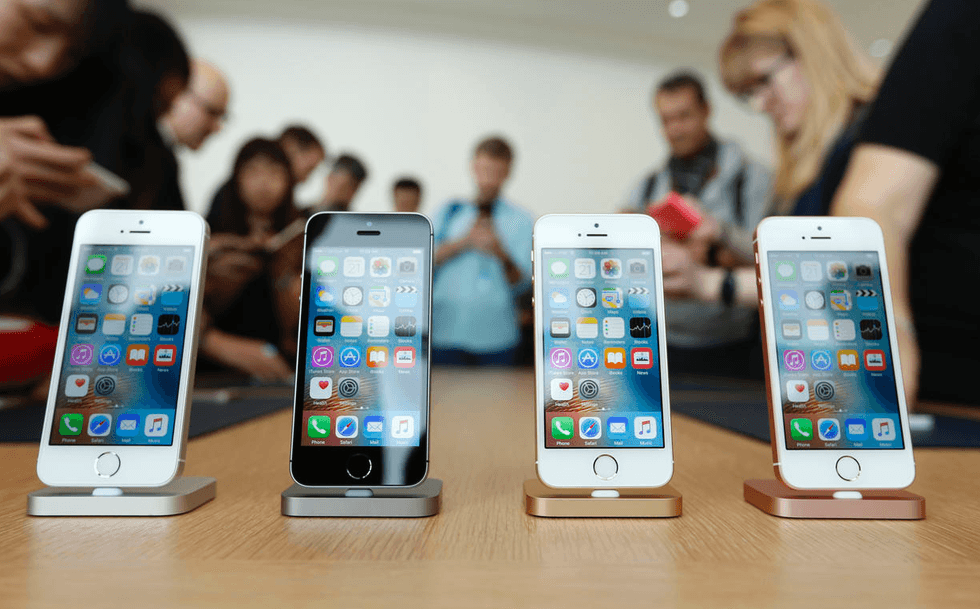
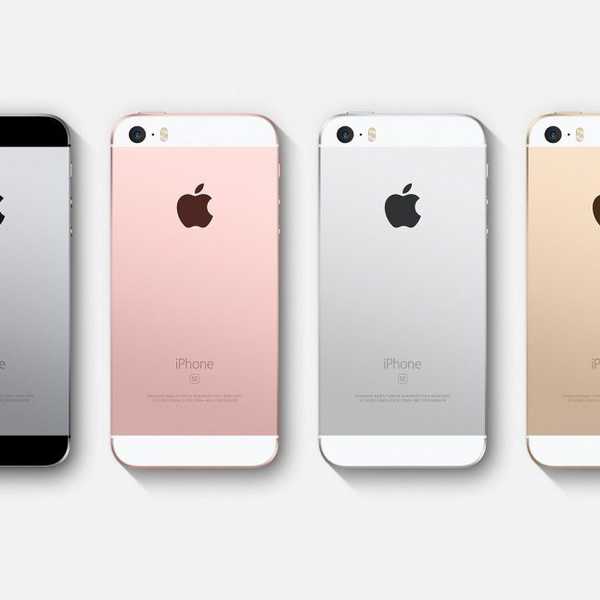
The iPhone SE will come in four colors: silver; space gray; gold; and rose gold.
The starting price for one of these feature-rich yet smaller-sized iPhones is $399 for a 16 GB, compared to the iPhone 6 at $549 and the iPhone 6s at $649.
With the announcement of the iPhone SE and the sure-to-come announcement of the iPhone 7 later this year, it begs the question: Will Apple be able to stem another period of rapid growth? Or will the nearly 10-year-old "iPhone" start to fade into the background? I'm sure critics and competitors of Apple alike will be waiting to hear the answers to these questions.
As for me, I'm thinking about investing in a phone where my thumbs can reach all corners of the screen.
Which iPhone model will you invest in?
















