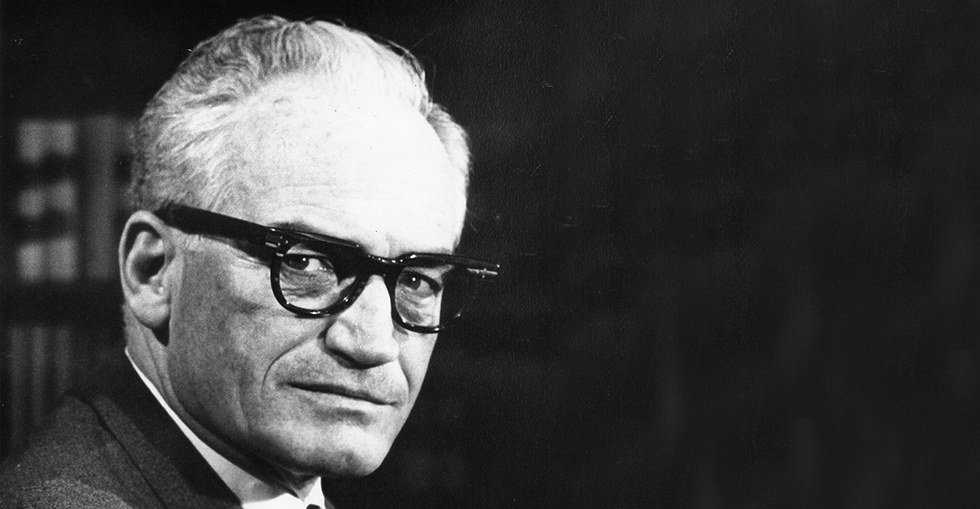
The modern conservative movement was born in the 1960s. It started with a vehement hate for communism and developed a focus on social, economic, and domestic issues. Barry Goldwater was the first "modern" conservative candidate to win the Republican nomination. He did not fair well in the general election due to his hardline stance on many issues. In the 1980s, Ronald Reagan took the foundation of support built up in the Goldwater days and won the presidency by moving the party's focus away from communism and onto more domestic issues. His smooth rhetoric and skill at conveying the conservative message of small government, low taxes, strong military, local control, and moral administration inspired people to vote for him.
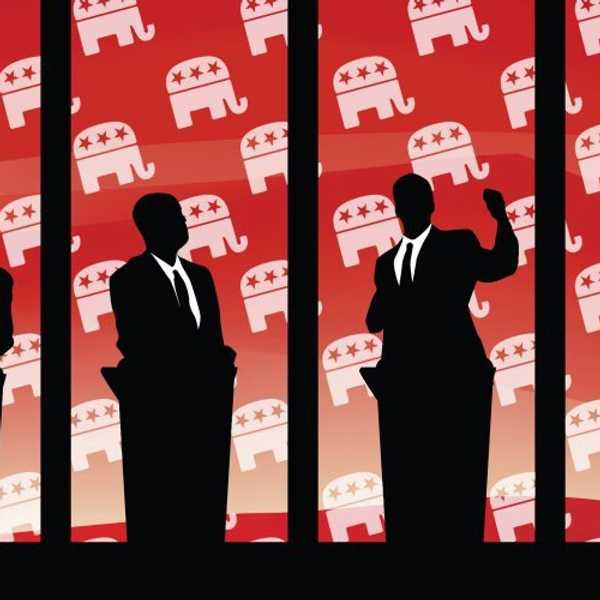
Aspects of the 1960s and 1970s conservative movement still exist within the Republican Party to this day. Many social issues, such as a tough stance on crime, an anti-gay marriage and pro-life position, and an emphasis on Christian family values still persists. In the last governor's race held in Oregon, the Republican candidate focused on abortion. He took a lot of time to advertise that he was pro-life and as governor, he would do everything in his power to stop the murder of unborn children. In states like Texas, the fight against abortion remains one of the unifying and inspiring aspects of the Republican platform. More recently, in the Republican presidential primaries, Ted Cruz and Ben Carson took hardline Christian stances on social issues which enlivened their conservative Evangelical base in the Bible Belt. Glenn Beck went so far as to allude that God Himself had destined Ted Cruz for the 2016 presidency.
This is where the close similarities between modern Republicans and conservatives of the 1960s end.
In terms of foreign policy, Reagan and the conservative movement at large seemed alright with foreign intervention and war with the Soviet Union if necessary, although interventionism for its own sake was not their priority. This legacy of aggressive foreign policy has been massively expanded in the Middle East by neoconservatives such as George W. Bush and Dick Cheney.
Republican legislators in Washington D.C. no longer adhere to staunch fiscal conservatism, a firm stance against social welfare, or the support of a free and open market. Last year, Republicans in the House of Representatives passed the largest budget in the United States’ history and continue to raise the debt ceiling. With the passage of the Patriot Act, No Child Left Behind, and the Republican's refusal to de-fund the Affordable Care Act, the so-called conservative Republicans in Congress have done what grassroots activists in the 1960s would be appalled at. The above laws increased the power of the federal government, increased the deficit, decreased liberty, and decreased the autonomy of schools within each state. All of these effects go against the principle behind the suburban conservatives moment for Berry Goldwater in 1964.
Conservatives of the 1960s were distrustful of power centralization in Washington D.C. and wanted to maintain as much autonomy and liberty as possible. They were desperately afraid that their schools would be taken over by amoral leftists who would indoctrinate their children. Ronald Reagan, the conservative champion of small government and economic freedom, would have been aghast by the two-faced Republicans on Capital Hill. On the one hand, they deliver rhetoric about free markets and less regulation. However, once in office, they spend their time growing government’s ability to encroach on the lives of its citizens.
Lastly, the nomination of Donald Trump signals a shift of the Republican base away from laissez-faire capitalism and toward a populist form of nationalism. Trump has brought to light a change in sentiments. Although the conservative movement has always been patriotic and even a little racist at times, rhetoric about tariffs, reigning in big business, growing government's control of health care, walls, restricting guns, and mass deportation of immigrants signifies a change in the traditional middle class base. Trump is neither free market capitalist as were the conservatives in the 1960s, nor is he a principled moralist. Supporters of Goldwater and Reagan should be shocked by not only the onerous stance Trump takes on the economy, but also his indecisiveness on so many of the social issues they hold near and dear to their hearts. A shift in the Republican base may signal that conservatism as it was known in the past is changing after 45 years of national recognition.
Most of the historical information in this article I read in Lisa McGirr's, Suburban Warriors: The Origins of the New American Right