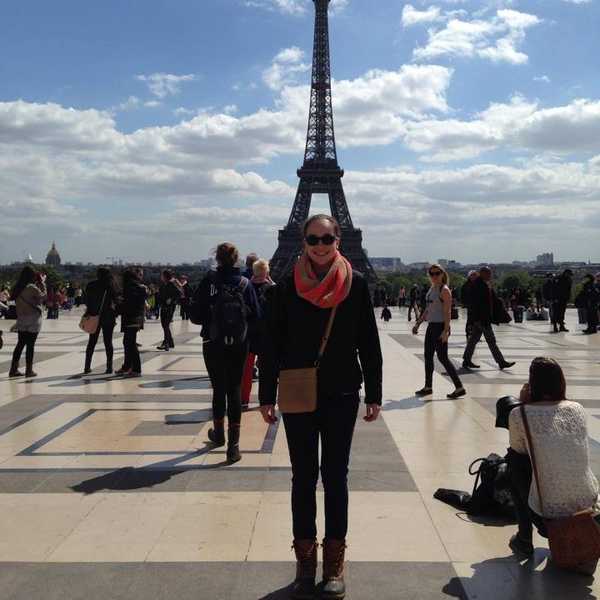

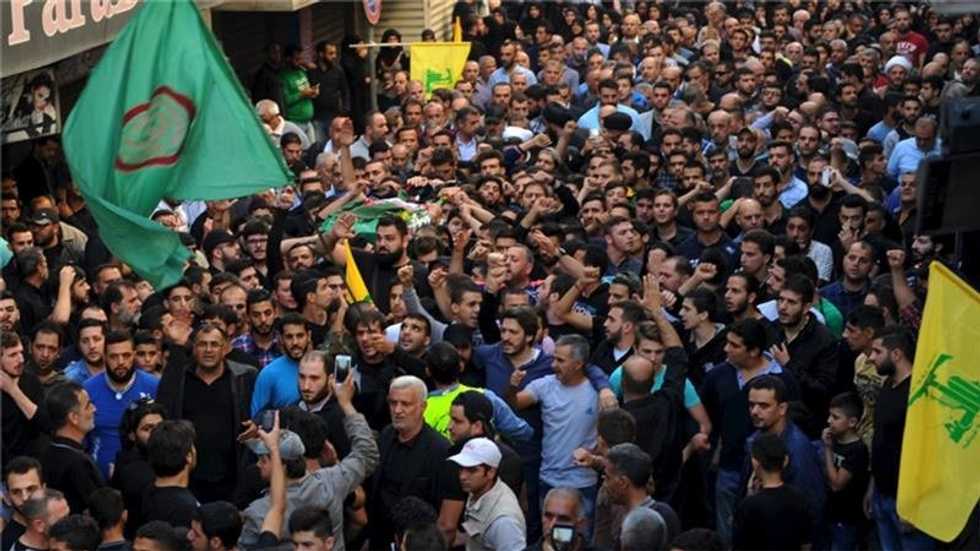
Last week was a time of despair and tragedy throughout the world. On Friday, November 13, Paris was struck by a terrorist attack claimed by ISIS, killing 128 citizens. One day before on Thursday, November 12, the city of Beirut in Lebanon was victim to twin suicide bombings, resulting in 40 dead and 239 injured. Both events resulted in the loss and mourning of family, friends, and two broken cities.
Despite the equal heartache of both Beirut and Paris, only one of the cities received immediate attention, recognition, and support through social media and current event sites. National monuments even lit up in the colors of the French flag. All of this recognition for Paris’s horrifying tragedy left people throughout the world feeling heavy, shocked...and almost clueless about what was happening in a Lebanon. This begs the question: what happened in Beirut?

The suicide bombings in the Lebanese city on Thursday has since been claimed by ISIS as well. According to Botelho, Cruickshank, and Shoichet, four men from Syria were recruited by the Islamic State to bomb an area of Beirut that contains mostly Shiite residents and Hezbollah (a militant group supporting the Syrian government during the Civil War). One of the alleged attackers survived and was taken into custody. However, the other three were killed in the bombings. This attack is similar to many others that have previously taken place in other parts of Lebanon and the Middle East.
Due to the ongoing Civil War, Lebanon has gained over a million refugees and because of their neighboring placement with Syria, violence is something well known to the Lebanese. Despite the constant violence, these Beirut suicide bombers are said to have caused the most casualties since the Mosque attacks in Tripoli, Lebanon earlier this year in August, according to Bernard and Saad.
As a Middle Eastern country with a primarily Muslim population, Lebanon is often viewed as a place that is used to such violence and tragedy. Broadcasts and social media are constantly showing terrorism as a normality in the Middle East. This has developed into a stereotypical depiction of who Muslims are, which is a population holding values and beliefs of violence and terrorism.
France, on the other hand, is one of our most respected and valued allies. The media has depicted the country as a safe environment with peaceful people. Because violence amongst the French rarely being shown or reported on to the public, the attacks created an uproar throughout the world that cancelled out the tragedy of Beirut.
All in all, each of these nations underwent shocking attacks of terrorism and violence recently, and they both deserve and are in need of condolences, sympathy, and support from the rest of the world.