New year, new you. Change your diet. Change your style. Change your attitude. Change yourself.

Change.
Some of us have broken up with someone for changing too much. Some of us have been broken up with for changing. Old friends are lost when new friends are made and we are said to have changed.
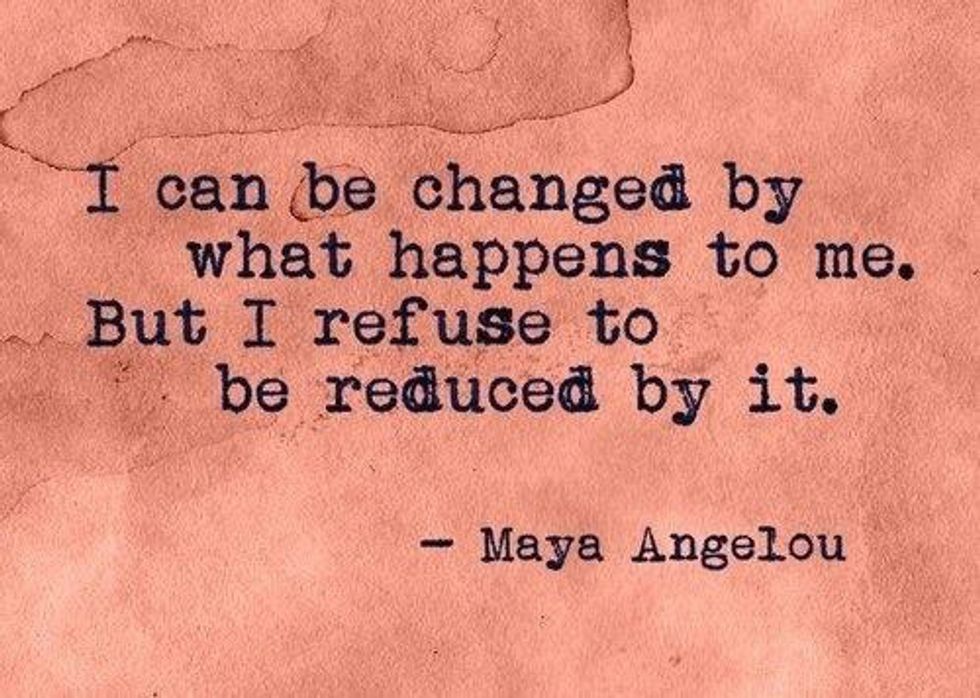
If changing ourselves causes others to leave us and we leave others for changing, why is it a word we hear so often? How then, is Gandhi's famous quote to “[be] the change that you wish to see in the world” even relevant? What did a majority of the electoral college see in Obama’s campaign of “Change”? Why do we still create New Year’s Resolutions to change ourselves just because of the clock hitting midnight?

I will be the first to admit that I don’t come by change with much grace. I won’t tell you how old I was when my parents re-painted the main bathroom of our childhood home and I completely lost it. I am a creature of routine and habit.
With change being such a hot and cold subject, it’s hard to know how to go about it sometimes. We do not want to be criticized for changing too much, nor do we want to deal with backlash for remaining the same. How can we change the stigmas that go along with the word? (See what I did there?)
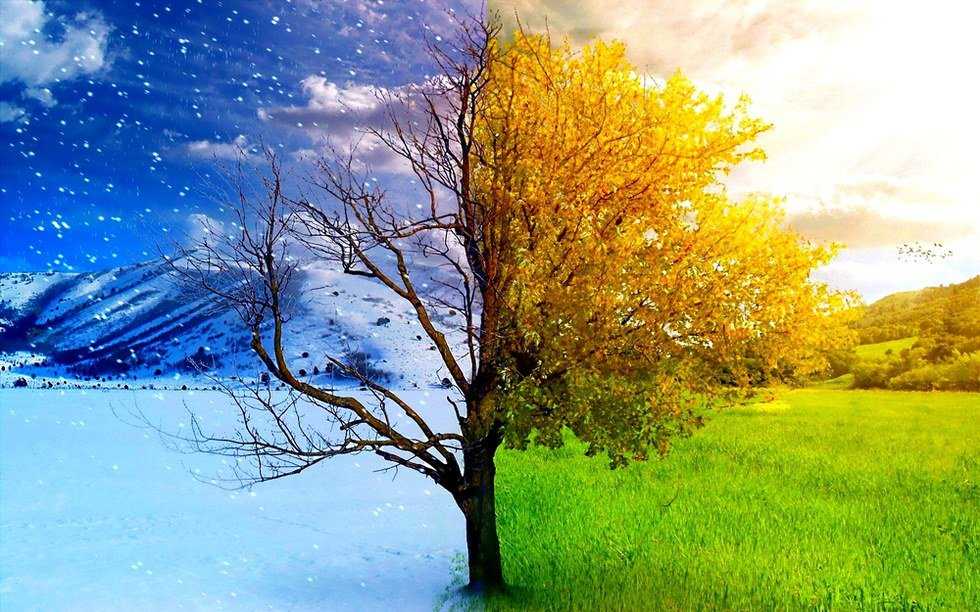
If seasons change every year, slowly but surely, why can’t we do the same? Maybe instead of making drastic changes we can slowly shed our skins of the mistakes and bad decisions we’ve been making. Instead of dramatically changing our appearances we can make small adjustments that make us feel great about ourselves. Rather than changing everything about ourselves because someone thought we weren’t pretty enough, or smart enough, we can make improvements to make a better us. And not for the person who thought we weren’t good enough, but for ourselves.
When gone about the right way, change can be incredibly amazing. If we try hard enough and put in enough thought we can be the change we want to see in the world.