About a month ago, I found myself at a convention in a small Alabama college town. The majority of people there were residents of America’s southernmost states and the event coordinator was a dainty, blonde southern belle. On the final night, everyone went out to one of the local bars to celebrate a successful convention and that’s where I met the southern belle’s boyfriend, a tall, skinny guy of Mexican descent who asked me the one question I am most frequently asked and insulted by:
“WHAT ARE YOU?”
While the inquiry itself was quite innocent, the phrasing was kind of inappropriate. By adding a single word and asking “what ethnicity are you” rather than just “what are you,” this man could have avoided sounding as if he were implying that I came from a different species. On top of that,the timing could not have been worse as I had just talked to my friends about the frequency of this question in my life.
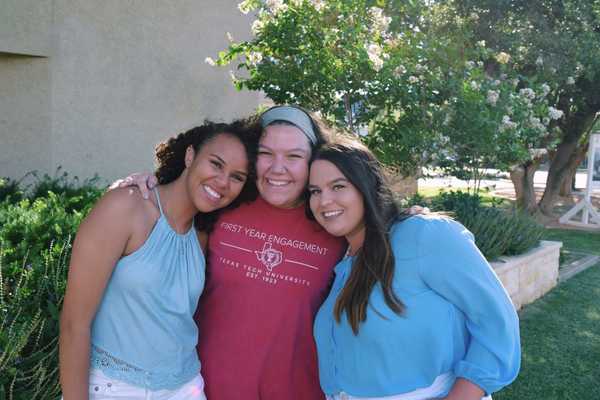
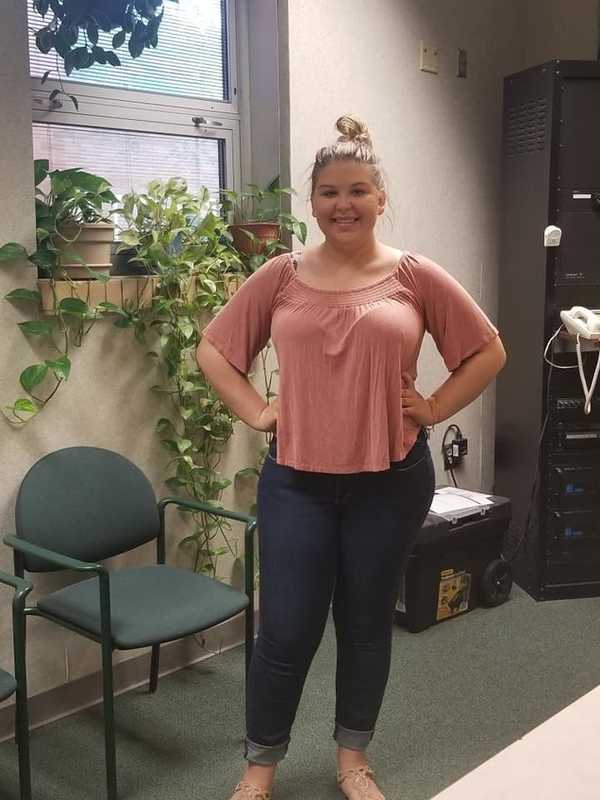
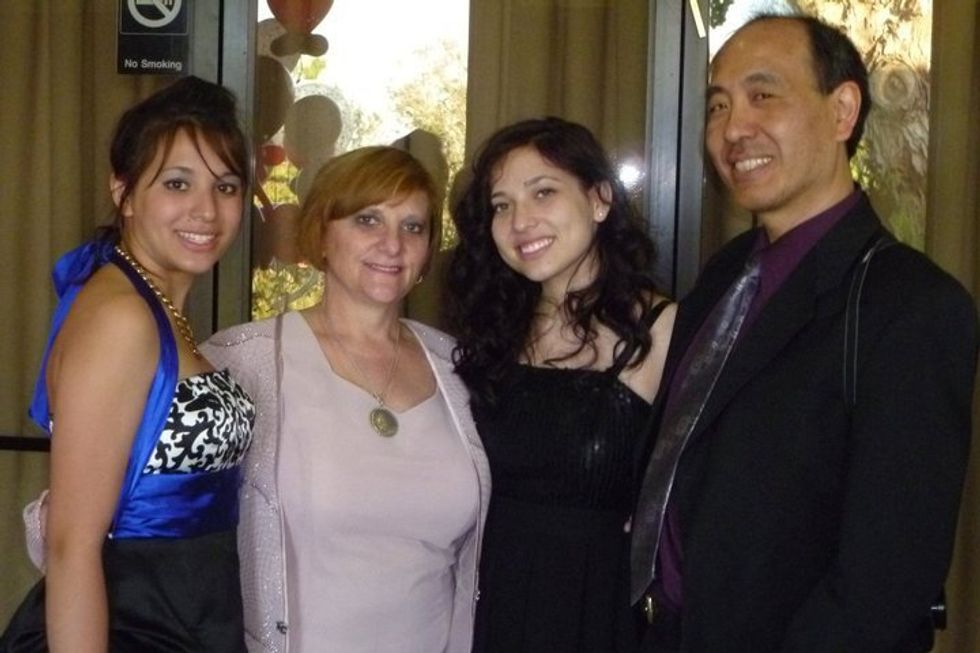
With brown hair, brown eyes, an oval face and olive skin, I am the face of racial ambiguity. Genetically, I am half-Japanese and a half-caucasian blend of various European and Jewish cultures. However, I do not have a facial structure or coloration that really lends to any of these cultures. My racial ambiguity has lead to some people within my own races rejecting me as “one of their own.” Being biracial, there is a shocking amount of racism from your own race. I often think back to my freshman year of college when my roommate was a combination of two Asian ethnicities and our friend was an international student from China. Despite all of my efforts, I was never seen by them as Asian. I can recall desperately pulling up photos of myself as an infant begging them to see even the slightest resemblance in facial structure, only to be cruelly shot down.
Looking to my caucasian roots, I have had little success in being seen as white either. Last year, while studying abroad in Italy, alongside my black classmates, I was constantly being stared at. For a long time I was unsure as to why they stared at us until someone explained, “It’s because you guys are all something they haven’t seen before.” It was frustrating as half of my DNA stems from European countries.. I constantly found myself wanting to scream, “Stop looking at me! I’m just a human being!”
My sister shares the same genetics as me and could not look any more different, but also faces some similar issues. Both of us deal with people guessing our ethnicity on a weekly basis which can be entertaining, but only on the rare occasion does anyone come even remotely close. Maddie is pale, dark haired, round faced and has massive green eyes. Despite the big, green eyes, her facial structure is more similar to that of our Japanese father, but the eyes prevent her from ever being seen as asian. People mostly identify her as white, but on the rare occasion people think she is native American. Only once has anyone properly guessed her ethnic background. People tend to look at me and predominantly guess that I am of either hispanic or latino descent, but occasionally I get guesses from all over the globe such as Native American, East Indian, Italian and the most shocking and confusing of all, Dutch. The last races to be guessed are always the Asian and African ethnicities.
Even though it can be frustrating, being racially ambiguous has it’s positives as well. While it sometimes shuts doors within my own races, it has also lead to people of various ethnic backgrounds accepting me as if we shared a common ancestor. While living in Rome, I once ended up spending a night hanging out with a group of strangers whom I had at the time affectionately nicknamed “the League of Nations” as that one group contained people from Germany, the Netherlands, Canada, Greece, and the Middle East. I was elated because while normally, I feel like I don’t have anywhere to really fit in, these strangers from around the world all took me in and made me feel like I belong. Through random acts of acceptance like this, I have really created some great relationships with people all over the world.
Additionally, some people find my story interesting. An ethnic combination such as mine isn’t very common, especially when put into historical context. My grandparent’s generation was deemed the Silent Generation, ranging from right before the Great Depression to the end of World War II. My maternal grandfather, a proud Jewish American was a Marine during World War II and played a part in testing the famed A-bomb which is believed to have played a major role in ending the war. My paternal grandparents were Japanese-Canadian young adults who dealt with the racial profiling of Canada’s Japanese internment. Both families went on to give birth to my parents, members of the Baby Boomer Generation and Generation X. Due to the racial hostility often seen in war veterans and interned citizens from the Silent Generation many people of the Baby Boomer Generation and Generation X were often taught similar racial views. Fortunately for me, my parents weren’t taught as strongly negative views about the other’s culture and so in a much more progressive time than their parents’, they were able to get married and bring my sister and myself into Generation Y or the Millennial generation. A few generations back, I would have likely been seen as an abomination for being biracial. However, as the world became more progressive I was born into a community where at worst I am called “exotic” and at best I am just another human the represents the melting pot that is the American pride.
Finally, while it does provoke people to ask me what I am, being racially ambiguous means I stand out and to me individualism is very important. Being unique and not conforming allows me to have my own voice and views. I am proud of my ethnic origins and they make me unique and different from most other people. When people ask me, “what are you,” I can always shake off the crude wording and respond to their genuine interest. So the next time someone asks me that question, I can say, “I’m a Japanese Jew with dual citizenship is the U.S. and Canada and I could not be more proud.”