There are few things as wonderfully nostalgic as watching the TV shows of old that we or people older than us grew up with. It’s actually pretty interesting to watch these shows today to see how they hold up, compare them to similar shows today, or just to scratch that binge-watching itch we know too well. Even more intriguing are the behind-the-scenes or mysterious elements of these childhood TV mainstays. Below are a select few of the answers, factoids, and explanations behind some of these TV shows.
Mighty Morphin’ Copy-Pasters
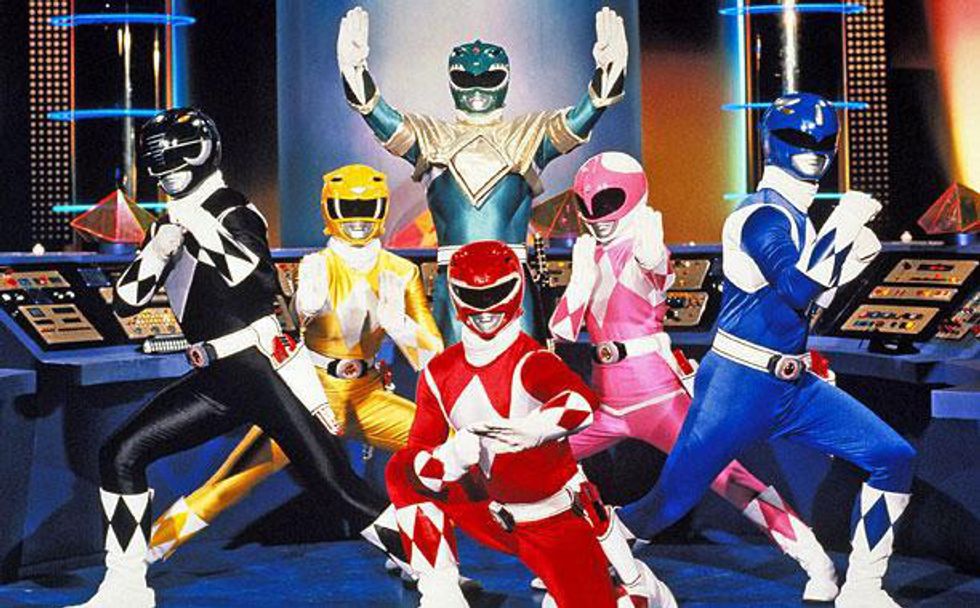
“Mighty Morphin’ Power Rangers” was and still is a show beloved by many, including myself. In fact, it remains a guilty pleasure of mine to this day. It was never at an Emmy Award-winning level of quality, but it had the same kind of goofy, lovably campy charm something like the 1960s “Batman” series possessed. Something many may have noticed about this series is that in most episodes, the visual quality takes a nosedive whenever the main characters morph into their Ranger forms to fight evil. Here’s the kicker: that footage isn’t American, it’s Japanese.
For more than 25 years now, the “Power Rangers” franchise has been borrowing footage, costumes, and designs from a long-running Japanese action series known as “Super Sentai.” The lower-quality footage you see in “Mighty Morphin’ Power Rangers” was taken from several “Sentai” shows, most notably “Kyoryu Sentai Zyuranger,” the Japanese series’ 16th installment. There is a backstory to this: “Power Rangers” creator Haim Saban took a trip to Japan once in search of new TV shows to bring to America, and once he caught a glimpse of “Zyuranger,” he was determined to bring the magic of “Sentai” to American audiences. His production company made a deal with “Sentai” producer Toei to use their resources, and the rest is history.
Also, fun fact: the Yellow Ranger in “Zyuranger” was male, unlike the female Yellow Ranger we had in the States. As one might gather, this made things very awkward whenever she morphed…
“Nickelodeon, you’re an eeediot.”
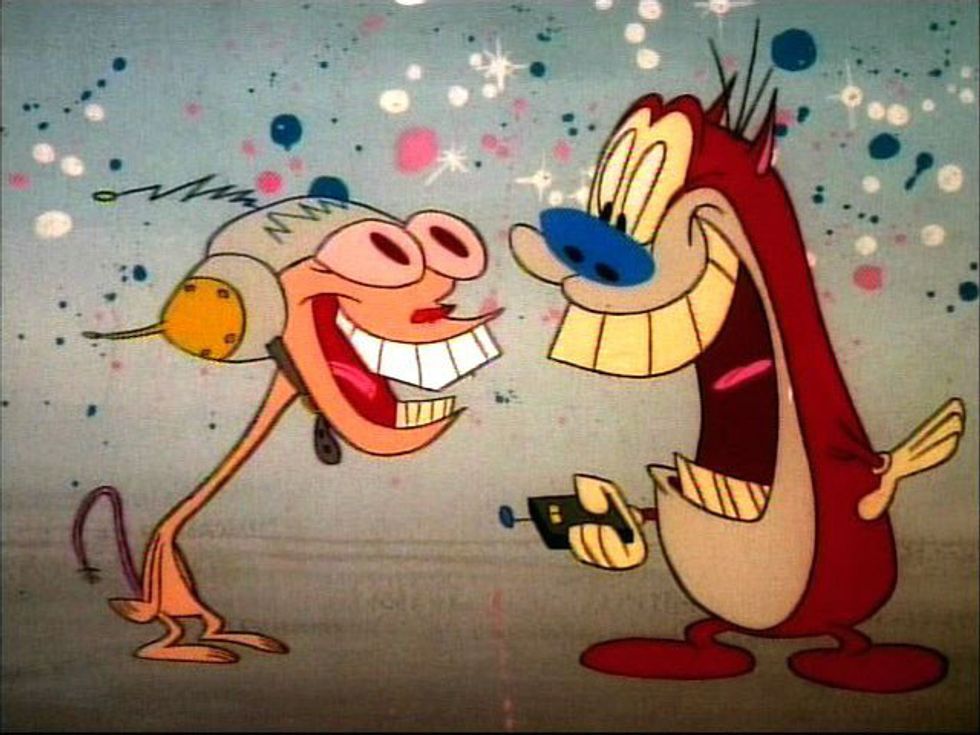
If you haven’t ever watched an episode of “The Ren and Stimpy Show,” please stop reading right here and go watch a couple episodes. (Don’t forget to come back, though.) This acclaimed and fondly-remembered cartoon series was one of Nickelodeon’s greatest contributions to animation, boasting varied and unique character designs, an unorthodox sense of humor, and a willingness to push the boundaries for acceptable content in children’s television. Unfortunately, it was the latter that landed creator John Kricfalusi and his crew in hot water with censors, and thus the show as it was aired on television is actually quite different from the show’s DVD compilations.
The show’s episodes were edited surprisingly often due to censor allegations that the show was not for children. Specifically, the show was infamous for its use of violence, sexual innuendo, partial nudity, and other adult content. The episode “Man’s Best Friend” was actually never aired on Nickelodeon due to that episode’s depiction of animal abuse and a rather dark tone. Nevertheless, “Ren and Stimpy” still became a revered and respected work of animation. It lasted for five seasons before moving to the Spike channel under the name “Ren and Stimpy’s Adult Party Cartoon,” boasting a TV-MA rating and an aim at an all-adult audience.
Couldn’t Catch ‘Em All
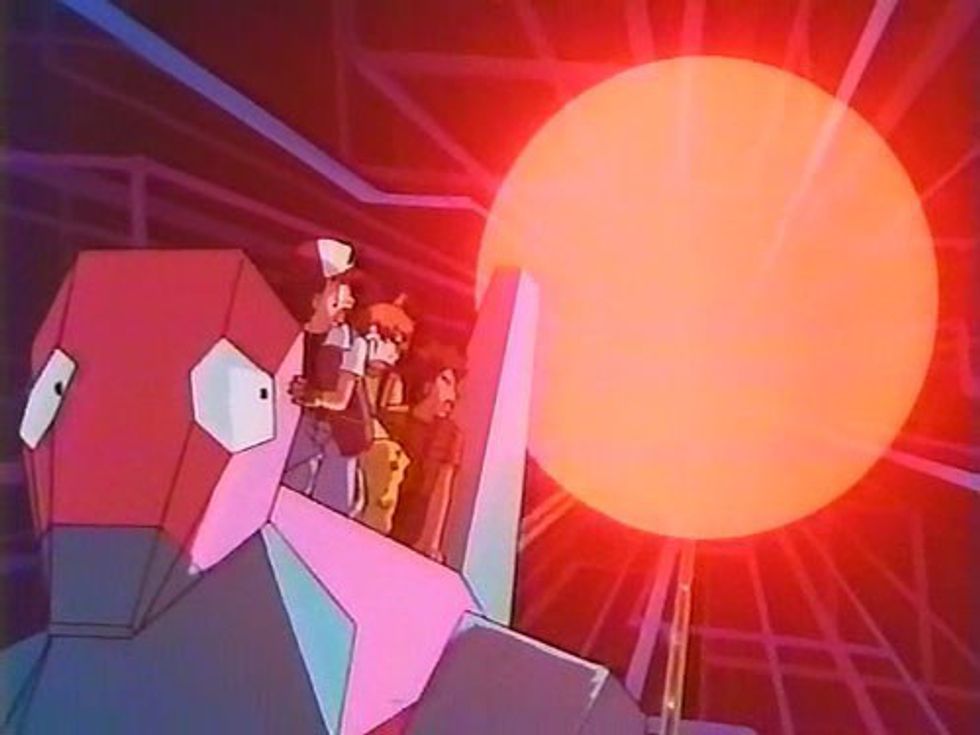
If you were born in the 90’s or early 2000s, you learned quickly what “Pokémon” was and you saw it everywhere. You saw other kids with the toys, the games, the t-shirts, backpacks, and what-have-you. And, like so many merchandising machines, “Pokémon” had a cartoon series, which still runs to this day. What you may not know about the cartoon, however, is that there are a number of banned episodes that never made it to American shores. As a result, the Japanese version of the series has more episodes than its American counterpart.
Many of these banned episodes featured questionable content that American TV execs just couldn’t allow on the air. By far the worst offender was the episode “Electric Soldier Porygon.” In said episode, the Pokémon Pikachu uses a thunderbolt attack which causes a series of bright lights that flash rapidly on-screen. This scene was so blinding and intense that it caused over 600 seizures in Japan; as a result, the show’s American producers declined to dub it in English for fear that such a disaster could happen in the States. There are other episodes banned for differing reasons, including racism, use of real firearms (seriously), and, disturbingly enough, sexualized characters.
I once found an article in 2012 detailing a “seizure ray” being made for the U.S. military and sanctioned by the Pentagon. The inspiration for this device? “Electric Soldier Porygon.” I guess Porygon gets a Medal of Honor now.
Transform And Roll…In Your Graves
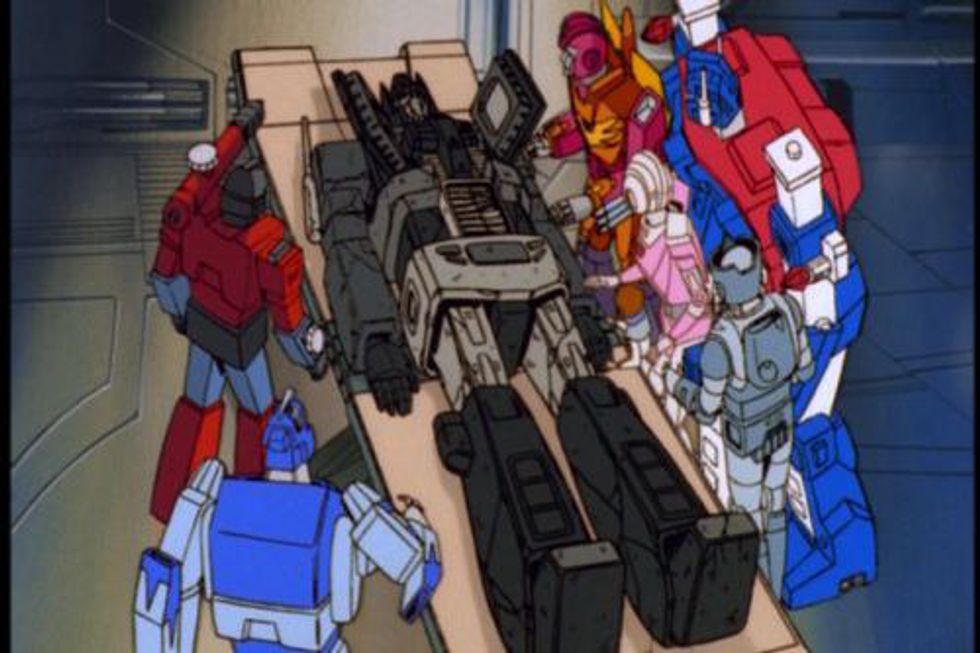
“Transformers” is one of the most widely-recognized and beloved franchises ever, with its multitude of comic books, action figures, and television shows. However, as history can definitely attest to, every successful franchise has to have a low point. For some “Transformers” fans, it was 1986’s “The Transformers: The Movie,” a theatrically released action-adventure film set in the same universe as the “Transformers” cartoon that started in 1985. Toy company and “Transformers” creator Hasbro and animation studio Sunbow decided that the film could be used to “turn the page” for the franchise and introduce new characters…by killing off the old ones. Popular Transformers like Ironhide, Starscream, and Wheeljack were axed off, effectively shattering the hearts of children everywhere. Worse yet, in a last, epic battle against main antagonist Megatron, series mainstay Optimus Prime was killed in action.
So shocking and upsetting was this scene to kids that many parents had to leave the theaters with them. On top of that, both Hasbro and Optimus Prime voice actor Peter Cullen received plenty of mail from fans that expressed their connection to the character and demanded that he return. To make amends, Sunbow resurrected Prime in the finale of the show’s third season. His fate in “Transformers: The Movie” would unfortunately mark the first of several deaths for the character across different mediums, from the Marvel Comics series in the 80’s to 2008’s “Transformers: Revenge of the Fallen.”
Cowabunga, Dude
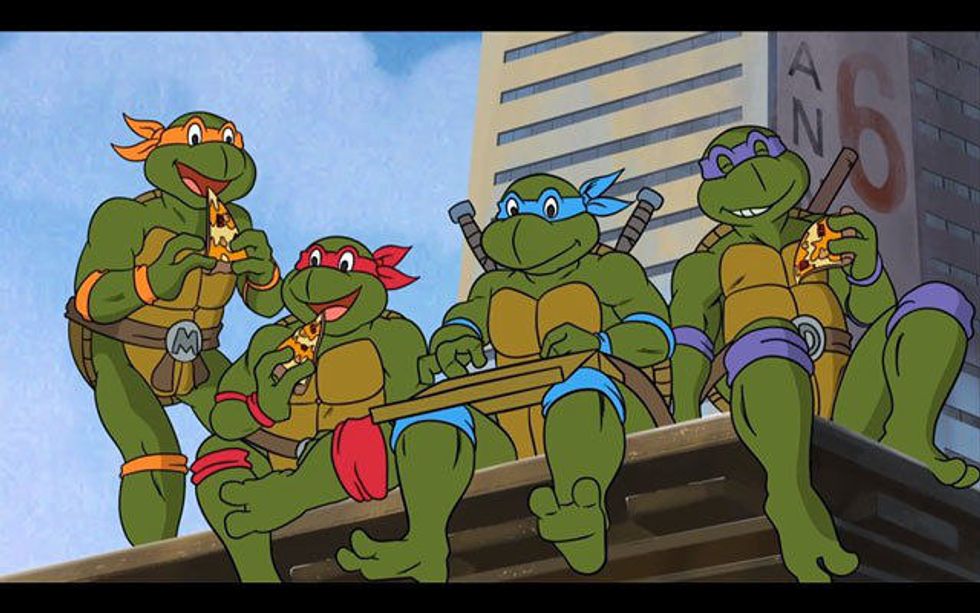
They’re heroes in a half shell, and they’re green. (Yes, I know the whole theme song by heart.) From the late 80’s to today, the Teenage Mutant Ninja Turtles have become a part of the childhoods of countless individuals around the world. What many don’t really know is how the pizza-loving, ninjutsu-practicing reptiles got their claim to fame. Without sounding blunt, they literally started as a joke, only to become so unexpectedly popular that an entire comic book series was framed around them. Creators Peter Laird and Kevin Eastman sought to create a parody of the Marvel Comics character Daredevil and dark, broody comic book characters in general. This comic book was a far cry from the kid-friendly cartoons we all know, however; violence, a darker tone, and a focus on noir-style storytelling made it clear that the book was mostly intended for adults or teenagers. So how did the franchise become more accessible and turn into what it is today? Simply put: because of action figures.
Company Playmates, Inc. sought to make a line of action figures based on the Turtles, but were cautious about the nature of the comic book the toys would be based on. To that end, they received the help of Murakami-Wolf Productions and the successful 80’s television series was born. Numerous things were changed to make the property more suitable for all audiences and for the toy line: the Turtles gained differently-colored bandanas, as opposed to the universal red bandanas they all wore in the comics, characters like Bebop and Rocksteady were created, and there was a significant focus on lighthearted humor and kid-friendly action. In recent years, certain Turtles properties, like the currently-running “Teenage Mutant Ninja Turtles” series on Nickelodeon, have attempted to merge the lore and attitudes of both the original comic and the 80’s series, often achieving much success and pleasing audiences young and old.