

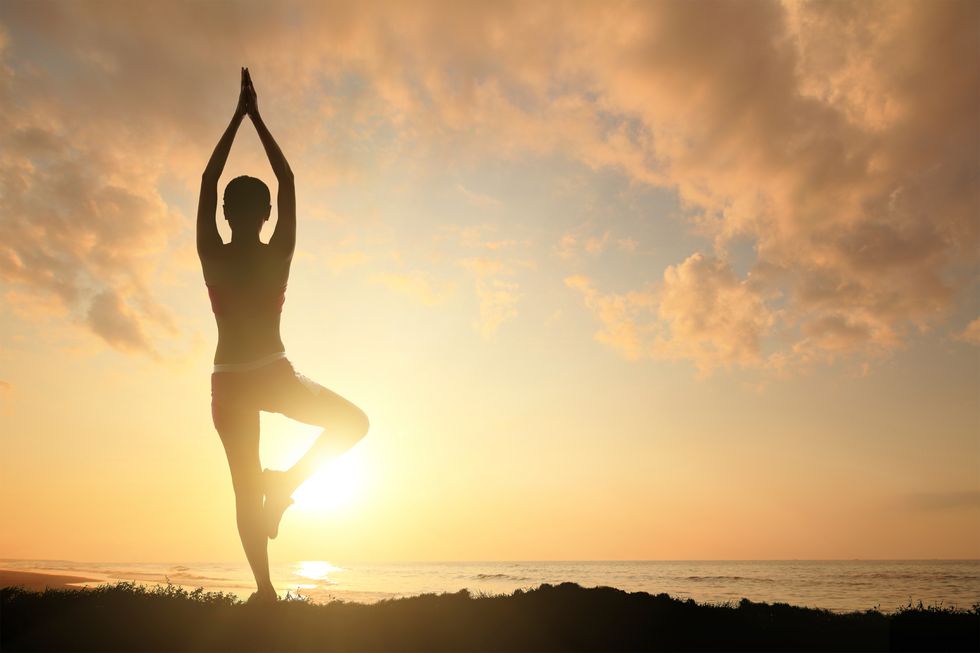
A few years ago, I was introduced to hot yoga. With a long winter break coming up, I'm planning on fighting the winter blues and staying healthy by doing lots and lots of hot yoga! It can be very intimidating to walk into a room heated at above 90 degrees and filled with lots of Lulu-wearing, back-bending, yogi masters. However, here is a beginner's guide for anyone who wants to begin practicing hot yoga:
Types of Hot Yoga
Bikram: A slower paced style, practiced in a room heated to 105 degrees. This heat allows flexibility, cardio, and gets rid of all your toxins through sweat. There are 26 poses that are practiced in the same sequence in every class (which is 90 minutes long). I personally find Bikram too hot, but the slower-paced class and repetition may be just what you need this break.
Baptiste Power Vinyasa: Baron Baptiste created this variation of yoga with the idea that yogis should follow their intuition during practice. The classes last 90 minutes as well, but do not necessarily follow a strict sequence of poses. Baptiste yoga still encourages flexibility, cardio, and sweating out those toxins.
Moksha: This style follows a basic layout, but each teacher may improvise as they wish. The room is set to 98.6 degrees (body temperature), and focuses on strength and flexibility. Moksha can help with stress, weight loss, and improving energy levels! This style also focuses on using "green" materials (yay Earth!).
Hot Power: An umbrella term for all hot yoga styles, hot power yoga describes yoga that uses the common principles of a heated room, transitioning from pose to pose, and practicing breathing.
How to Prepare for a Hot Yoga Class
It is recommended that you do not eat a heavy meal within two hours of your class. There is a lot of movement and twisting, and this can definitely lead to a belly ache and make the class unenjoyable (I once downed a three-egg omelet with everything in it, 20 minutes before class...yuck.) You also must must must hydrate before class! You will sweat more than you ever have before, and you want to make sure your body can replenish what it's losing.
You will need a yoga mat (obviously). If you do not want to invest in one, check with your studio about renting them. However, there is something magical about rolling out your mat each time you practice. I also recommend bringing a hand towel. If you have long hair, you should put it up so it doesn't stick to your neck (and if you have pesky fly-aways like me, a headband is also recommended).
Did I mention hydrate?
During Hot Yoga
It can be difficult to be in a class where you feel as though you are not as prepared or experienced as others. However, yoga is not about competition. Everyone is focused on themselves, their own mat, their own practice. If you start to feel tired, take a child's pose. The instructor will never ask you to do something you do not feel comfortable doing. Yoga is all about you—no one else can control your practice!
However, do push yourself. You will be surprised how quickly you can improve, and how good it feels to master that tricky pose. You will be amazed at how flexible you will become (if, like me, you can't even touch your toes).
After Hot Yoga
After yoga, you will probably feel something similar to a runner's high. I call this "yoga haze." You will probably feel euphoric, like you are simply floating through life. Make sure you continue to drink lots of water, or else you will end up with a nasty headache and a stiff body. Even though you may be tempted to lay down for the rest of the day, try to stay up and be active. Take a shower, have a tasty meal, and thank yourself for going to hot yoga