
There is an overwhelming variety of birds in the world, but not all of them can be kept as pets. There are countless colors, vocal ranges, even price tags. Which of these domestic birds fits your home the best? Have a look at these comprehensive profiles of a few more spectacular species, written by two bird lovers with firsthand experience with each one. If you haven’t read it already, here is our first article on two other awesome species. The species we are going to be talking about today are: Green Cheek Conures, Cockatiels, and Cockatoos.
1. Green Cheek Conure
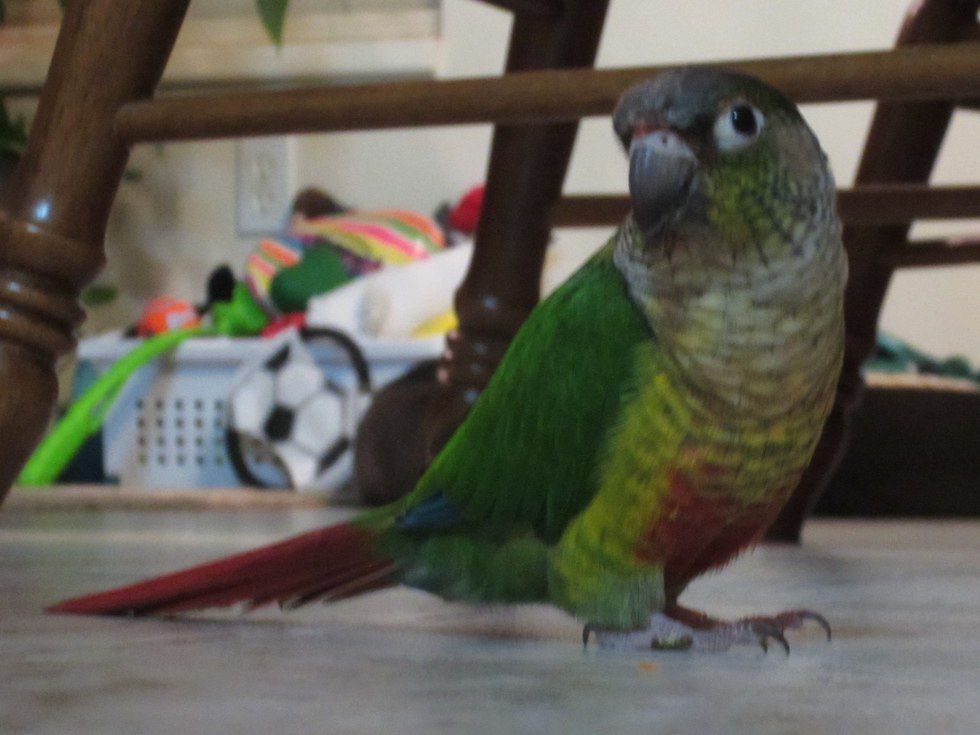
Green Cheek Conures, or, as many people call them, Green Cheeks, are from South America. They are the most common Conure in pet stores, because they are very colorful and have great personalities. They are probably the least expensive Conure available. My Green Cheek Conure was a rescue; he is about four or five years old. He had to be re-homed because he loved to scream whenever the baby of the house went down for a nap. Now, Green Cheeks are quieter than other Conures, but they still can be loud. They like to scream just as much as any other Conure, so keep that in mind if you are thinking about getting one! Ernie, my Green Cheek, loves to ring his bell during the night if I forget to take it out of the cage. He also isn’t very comfortable around little kids; honestly I think it comes down to the fact that they move very quickly and can be unpredictable. Maybe he had a bad experience with a kid, but I’ll never know for sure. Always supervise children’s interactions with birds! Never leave them alone together; it can be traumatizing for both of them.
2. Cockatiel
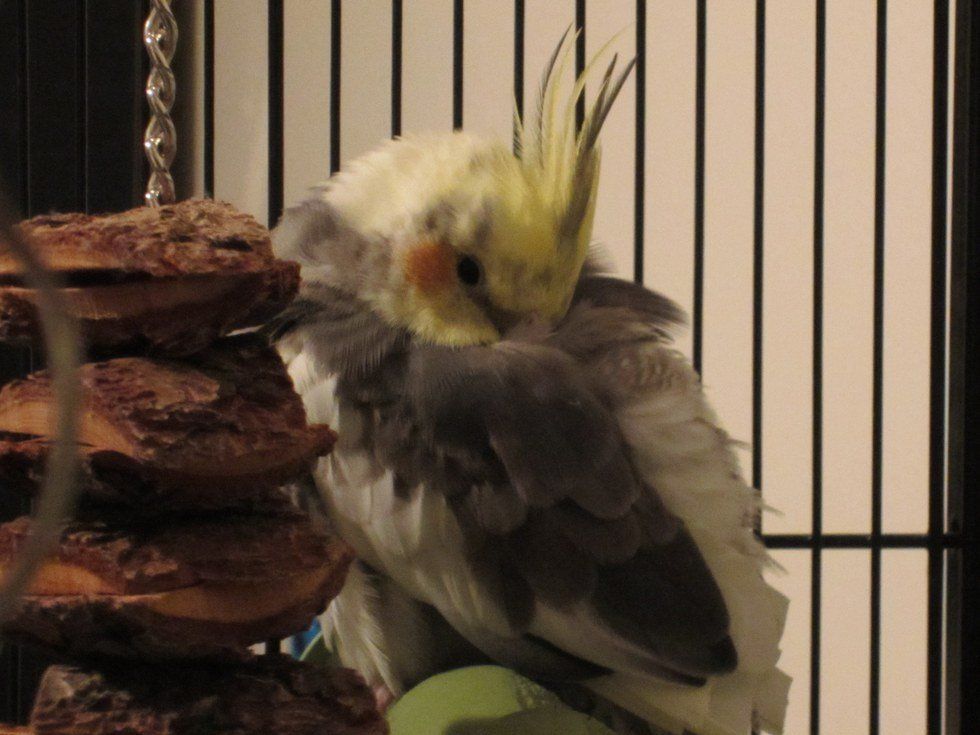
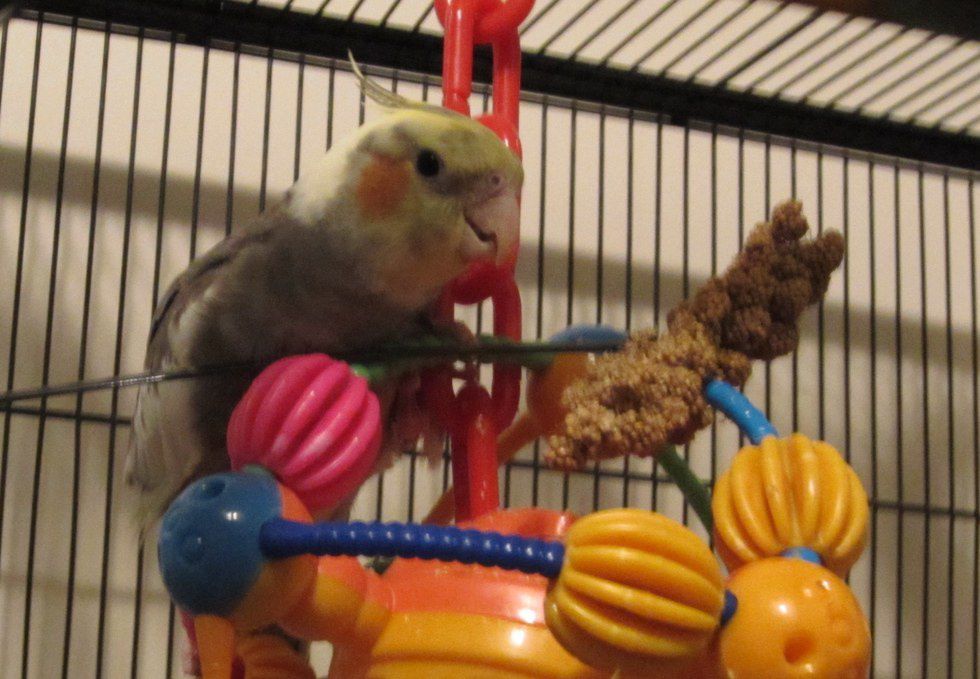
Cockatiels are sweet and gentle birds Australia. In my experience, I have never seen a Cockatiel in a pet store chain like Petco or PetSmart; I got my Tiel from a private breeder who lives near me. Sometimes you can find a local pet store that breeds them. Tiels are considered to be a small bird, but they are bigger than a Budgerigar. They make great pets! Tiels love to have your attention and to cuddle with you; just make sure you don’t fall asleep with your bird out or you might injure them! My Tiel, Mohawk, is a year old and he loves to whistle at me and my family. He knows how to “wolf whistle” and it’s probably his favorite thing to do. That, and screaming like a police siren when I leave the room without him. Cockatiels are known for their whistling ability, and there are many videos on YouTube of Cockatiels whistling songs they’ve heard, like the Game of Thrones theme song, or "If You're Happy and You Know It." Cockatiels can be kept in pairs or alone; some people say that it is best to keep Cockatiels in pairs if you are not home a lot. Moe doesn’t have a cage mate/friend, but keep in mind that, aside from myself and Moe, there are also three Budgerigars and a Green Cheek Conure in the same room. So, when I leave, the birds can keep each other company. A quick fix for a lonely bird is to turn on a radio, or a TV, or even a CD that has bird sounds on it when you leave.
3. Cockatoos
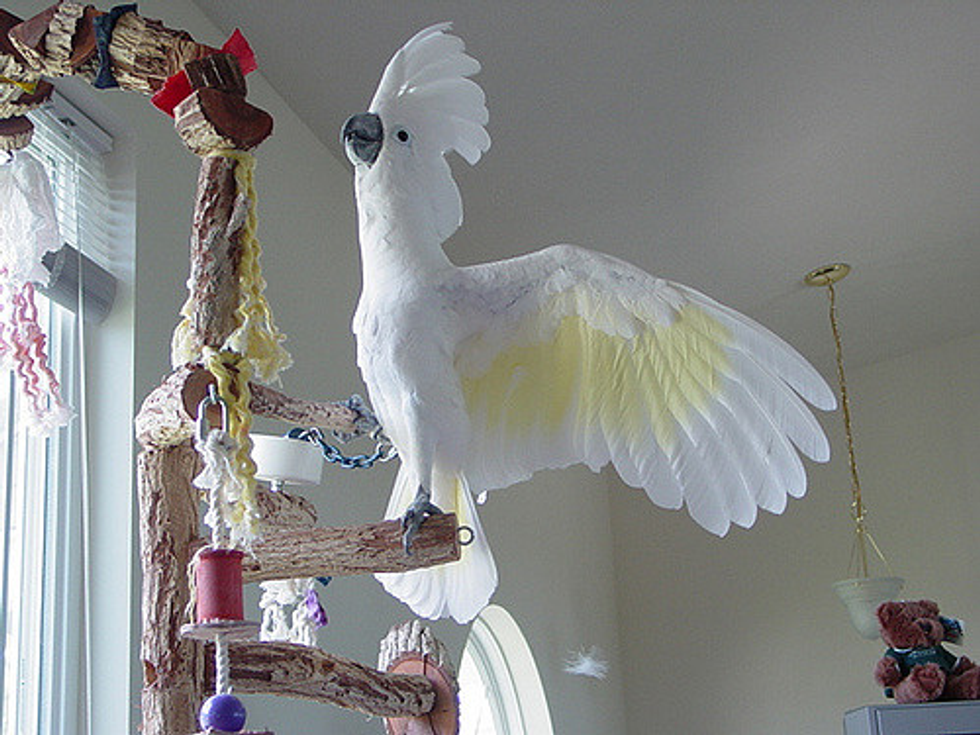
Cockatoos are very different from the other birds on this list. They are not, by any stretch of the imagination, suitable for amateur bird owners, but they are wonderful birds for the more experienced bird enthusiasts. There are 44 recognized bird species in the family Cacatuidae, but only a few are common pets. Cockatoos are big, loud, expensive, and smart. The loudest cockatoos are claimed to reach over 130 dB--that’s incredibly loud! I have been in a room with about 15 cockatoos at the parrot shelter I volunteered at--an experience I don’t recommend very highly at all. Working with these birds, I found that within each marshmallow puff of a bird was an extensive and elaborate personality. They are sweet, inquisitive, and empathetic. The appeal of ‘toos for most is that they are very, very social animals. They can become acutely “one-person birds," and attack any humans that are threatening (read as "standing next to") their human. The problematic side of cockatoos is that lots of birds end up as “failed birds," meaning they get passed from one home, to the shelter, to another home, throughout their long lives.