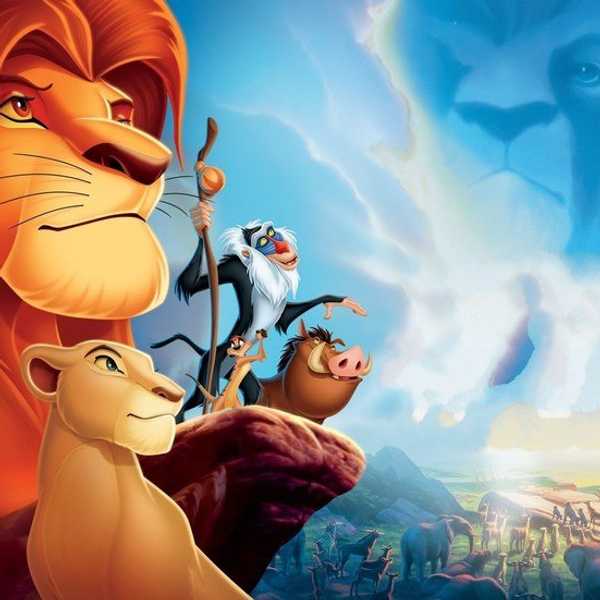
Lions are renowned for their impeccable majesty, earning the beloved nickname “King of the Beasts." Lions live in little families consisting of 15 lions. I wonder if these prides fight, love, experience depression. I imagine lions fighting about left-wing/right-wing politics over a bloody mangled zebra, slowly gasping its last breath, roaring their territorial roars and marking their political domain. These lions are surviving in a savanna that doesn’t understand them. I picture lions scheming to bring their mothers and fathers squirming animals as a peace offering, as a Christmas gift. I can see lions sitting around the savanna bush laughing and telling bad jokes. Lions are monogamous. Lions love each other, and enjoy good fellowship with copious amounts of head rubbing and purring. Hunting. Cold, yellow doubloon eyes, nestling their leaf-covered heads on their paws, shifting their gazes from left to right, and finally, pouncing.
In 2013, the US government considered whether to add African lions to the list of endangered species, an action that would ban the importation of dead “trophies” into the United States. Outrages were recorded on social media in 2014 as a teenage girl plastered pictures of herself with her dead trophies. Protests, death threats, offensive backlash. Palpable hurt over lions. Lions are important. People volunteer in hoards, donate millions, and cry. Cry over the animal abuse on the television. Weep over dogs dying in Hollywood blockbusters.
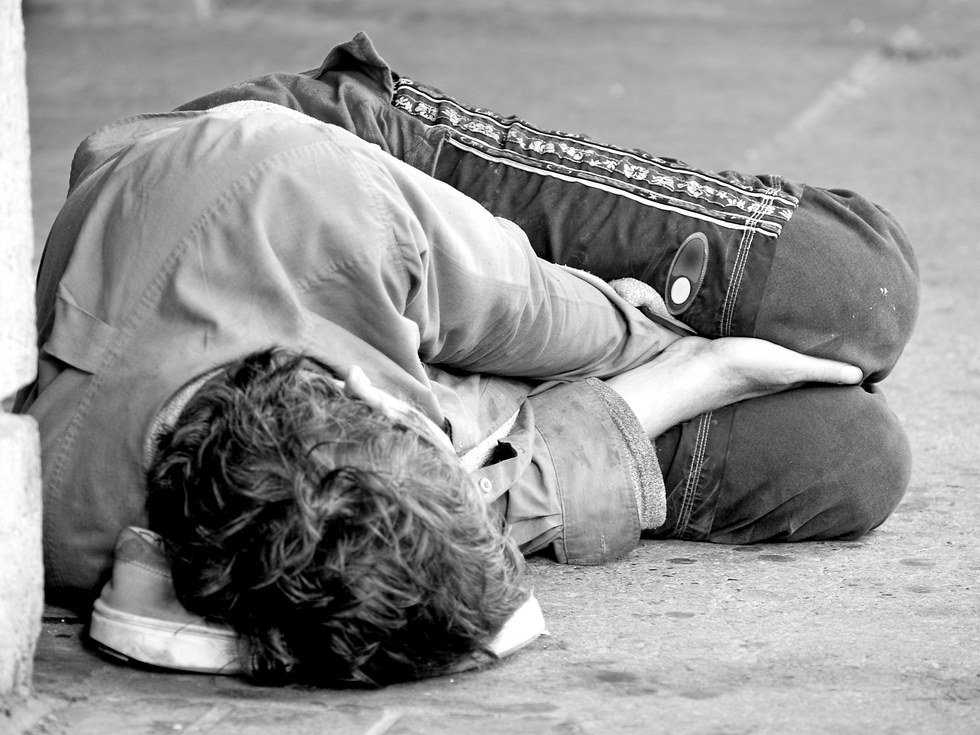
In an effort to understand, I believe that humans are afraid of helping humans. Thousands and thousands of soldiers can gruesomely perish in a bloody massacre, millions of unborn babies every year, the homeless sinking quietly into eternal sleep on freezing concrete. However, when a lion dies, it’s all over for humanity. People question, “What have we come to? Why are we killing endangered species?”
Why are humans afraid of helping humans? Isn’t there more worth in the tumultuous breath of those struggling to live one more minute? Maybe there’s less risk involved, less fear of getting hurt, of failure, of getting too involved. Daily, we walk by those without homes, without adequate clothing, without healthcare, and we don’t bat a single eye, continuing to waltz into our plush, cushioned lifestyle to cruise on Facebook and complain about killing lions. Maybe there is something romantic about a horse galloping through the wind in a wheat covered plain, an image of a golden mare dusted with sunlight. Maybe there is something romantic about a single lion, rightly named Simba, dying alone in an African plain, causing the bulk of American society to cower in the perceived weight of what they have lost.
There is nothing romantic about a scruffy, struggling man lying alone on a park bench covered in a single newspaper. About jolting him awake to walk to the nearest shelter and experiencing a sense of self-righteousness as $10 is taken from the leather bound wallet and into the pockets of a pair of gnarled cargo shorts.
Would there be a commotion if a single man was shot by a 19-year-old girl? A single man. Maybe. But thousands and thousands die every day, and people buy shirts printed with the inscription “Save the Lions." Why don’t shirts titled “Save the Homeless” or "Save the starving” exist? Logically, it’s an easy decision. One that is rarely made.
But like us, lions are still breathing, living, fighting to live. Living in their prides with their sons and daughters and brothers and sisters. And with this notion, rationality slips away the moment we hear that one gets shot.