Around the world, animals are suffering in the name of aesthetics. In the past 15 years, the use of animals in experiments has increased nearly 73 percent, with up to 100 million animals estimated to be used in animal testing. Every day, innocent animals are maimed and murdered in laboratories to bring cosmetics and beauty products to the shelves of the stories and the Instagram feeds of our favorite beauty bloggers; it is the ugly secret of an industry that thrives on beauty.
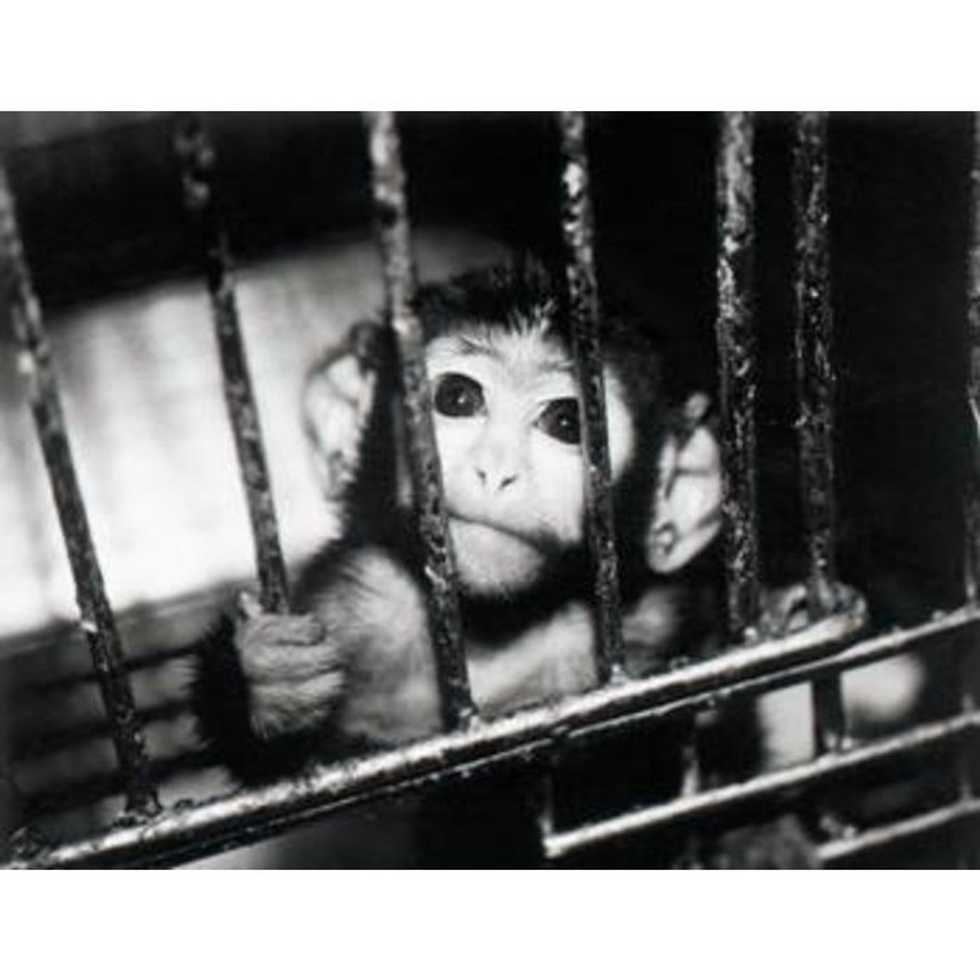
The conditions that laboratory animals face are synonymous with torture; they are often housed in isolation in bare, wire cages without sufficient space or environmental enrichment. Their senses are also overloaded with constant, bright artificial lighting from which there is no escape and unceasing noise such as the clanging of metal cages. The life of a laboratory animal is deprivation, isolation and misery. But on top of the cruel living conditions, there are the experiments. United States law allows animals to be burned, shocked, poisoned, isolated, starved, drowned, addicted to drugs and brain-damaged for research purposes. No "experiment," no matter how painful or trivial, is prohibited, and pain-killers are never required. Animal experiments in the cosmetics industry typically include skin and eye irritation tests, oral force-feed studies lasting extended periods of time to look for signs of general illness or specific health hazards, such as cancer and even widely condemned “lethal dose” tests, in which animals are forced to swallow massive amounts of a test chemical to determine the dose that causes 50% of the animals to die. Animals – particularly dogs because of their friendly, forgiving and adaptable natures – are forced
to drink beauty products such as shampoo to see how much their bodies can handle. In one of the most common tests used in the cosmetics industry, the Draize Eye and Skin Test, rabbits are held in full body restraints so that chemicals can be dripped into their eyes or spread on their shaved and scraped skin; the restraint stops the animals from pawing at their eyes or back to relieve the discomfort and disrupt the experiment, and rabbits often break their spines attempting to free themselves from its confines. After enduring these painful, terrifying procedures, animals are dumped back into their cages without any painkillers, treatment or comfort–if they are still alive. Video footage from the inside of laboratories shows animals who cower in fear every time someone walks by their cages.Apparently, when an individual abuses animals repeatedly it's called "torture," but when a corporation pays for hundreds of animals to be abused it's called "research."
But the tests are not only inhumane and cruel to animals, they are dangerous to humans as well. Animals are very different from human beings, and therefore make poor test subjects and are unable to provide accurate results; the anatomic, metabolic and cellular differences between animals and humans make animals poor models for human beings. Advancements in genetics are allowing scientists to discover how subtle variations among humans can affect disease risk and response to treatment. How then can we presume that animals, who by nature are even more different, can accurately predict human response? Even animals with greater similarity to humans, such as primates, have failed to predict what happens in humans; the scientific community recently concluded that research on chimpanzees, our closest genetic relative, is unnecessary and ineffective.
Paul Furlong, Professor of Clinical Neuro-imaging at Aston University, states that "it's very hard to create an animal model that even equates closely to what we're trying to achieve in the human." We burn, beat and blind innocent animals for a supposed human benefit, but with no avail. We are not 100 pound mice.
So why is it done? The answer is terrifying and simple: for profit. Animal testing of cosmetic products is not required by law in the United States, but in many countries around the world, including China, cosmetics and beauty products are heavily regulated and must be tested on animals before they can be put on the market. With Asia's beauty sector becoming lucrative for Western brands, companies are choosing to maim, torture and murder animals rather than lose their portion of China's 23.6 billion dollar cosmetics market. Cosmetic giants like Avon and Estee Lauder were removed from PETA's list of cruelty- free companies as a result of succumbing to Chinese animal testing.
With the technology available in the 21st century, cosmetic companies can stop animal testing immediately and still produce new, safe and cutting-edge beauty products, simply by manufacturing the cruelty-free way. Over 40 non-animal safety tests have been validated for use; advanced products, such as the widely available EpiDerm and ThinCert which are made from sheets of human skin cells grown in test tubes or plastic wells, can produce more useful results than testing chemicals on animal skin. Cosmetic companies can also make use of the thousands of ingredients with a history of safe use; these products have existing safety data and require no further testing (animal or otherwise.)
And of course, the more the public keeps purchasing these products, the more corporations will keep testing them on animals, taking innocent lives and thriving on the profits. They are hoping that you don't ever learn about the price that is really paid for the products you buy: the innocent puppy- subject number 1800192- who lost the use of his eyes so that you could have sparkly gold eyeshadow on yours; or the Rhesus monkey screaming in pain with burns covering his body so that your skin could shine. And yet, there are plenty of companies that don’t test on animals and make perfectly safe, effective products. Look for the Leaping Bunny© logo on products or download the Cruelty Cutter app for your phone—it allows you to scan the bar code of any product and learn if it was tested on animals (prepare yourself to be shocked and horrified). Both Leaping Bunny and Beaglefreedomproject.org have lists of cruelty-free companies on their sites.
For the animals locked away in iron cages, never having seen the sun, for "man's best friend" whose throat is drowning in shampoo, for the rabbits being slaughtered and tossed aside as we speak, use your voice and shop cruelty-free.
If animals could speak, mankind would weep. Set them free.
Sign the petition to ban animal testing here.