

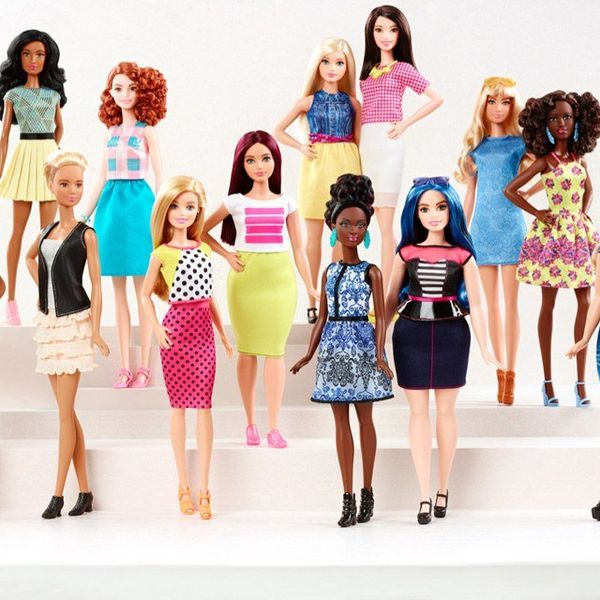
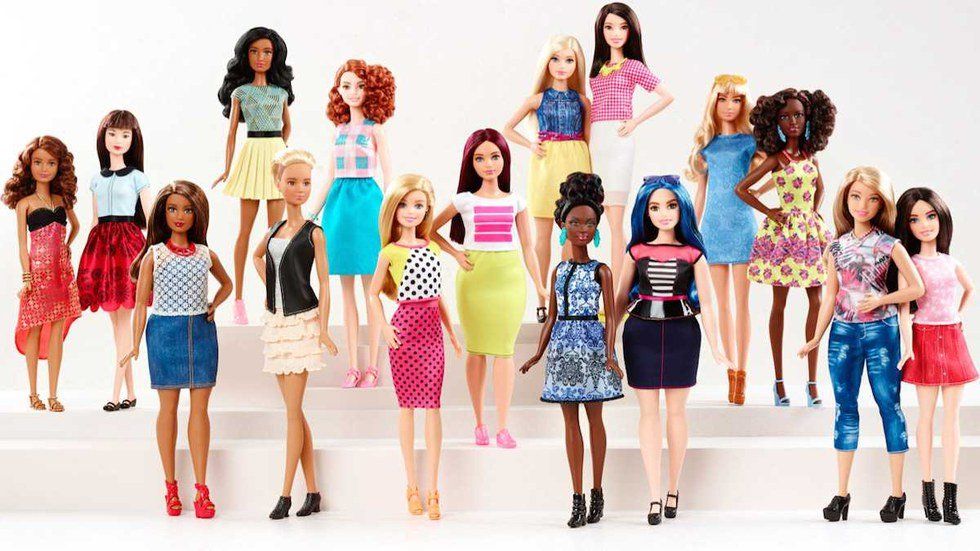
I had just gotten to my Psychology class. I was killing those last few seconds before the clock hit 12:30, so I got on Facebook. Immediately I was overwhelmed by the sheer amount of Barbie that popped up on my timeline. Now, I'll admit it...I follow Barbie on both Facebook and Instagram, but this was more than just sponsored content; the internet was going crazy.
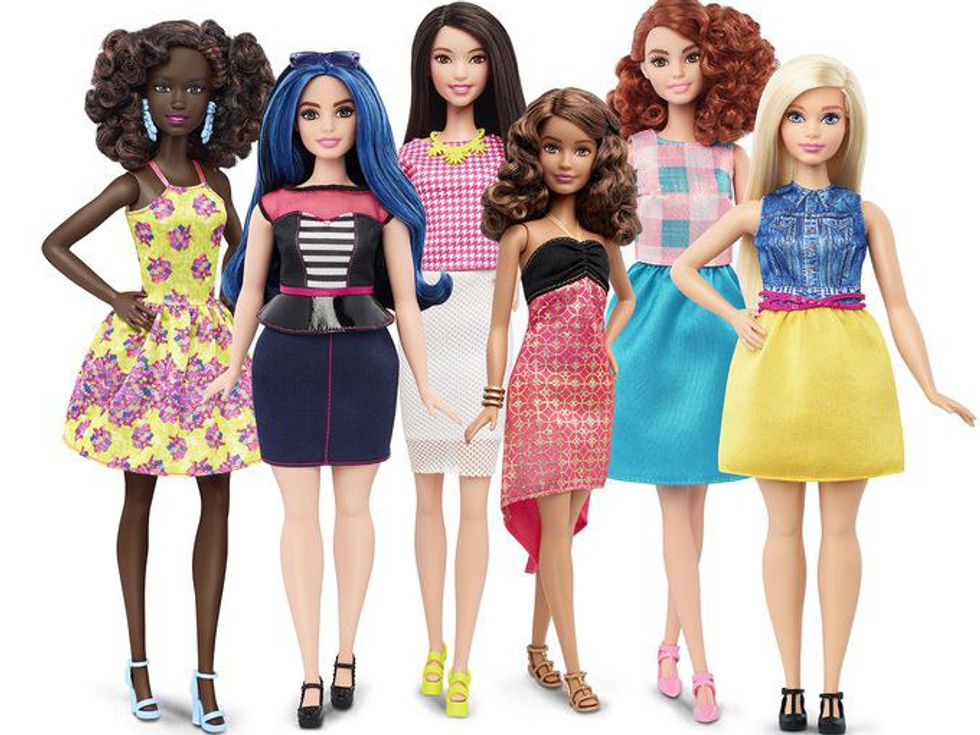
It took the company 57 years, multiple critiques and thousands of complaints for the doll to gain a bit more proportion. With sales steadily falling to popular companies such as Lego and Disney, change was the only way to go. For a moment, Barbie seemed to be in the clear. Praises were heaped, tweets were sent, and dolls were flying from the (online) shelves.
Tania Missad, Barbie's director of global brand insights said, "We were seeing that Millennials are driven by social justice and attracted to brands with purpose and values, and they didn’t see Barbie in this category."
But should the millennial generation really be driving the marketing and production of dolls for children?
Millennials are known for being proactive on social issues, a reputation that I'm proud to see represented by our generation. Over the past few years, we've seen a definite climb in feminism, LGBT awareness and diversity. And now that many millennials are parents, our generation is striving to pass the same traits to our children.
In a world that is constantly moving forward, Barbie was always held back. Sure, she has worked to market herself as a strong female role model with thousands of careers, but in this century, that's not enough. We see strong females everywhere we look. We know we can be anything. We no longer need a doll to inspire our dreams.
I grew up with Barbies and never found any problems with their bodies. It was only when I was older that I heard the hate spewed about the disproportionate dolls. But I've supported them despite the critiques. Barbie had always been a way for me to play out the stories in my head. She was never a real human to me, but simply a doll, existing only to embody the characters in my imagination.
But I understand the need to grow up. I had to grow up from my fantasy world and Barbie had to as well. Millennials believe in reality and they want their dolls to reflect their world.
And with the new body types and skin colors, Barbie is reflecting the women of the world and introducing a new standard for beauty in her brand. She is proving that every woman is beautiful and that every woman is strong and powerful. It's an amazing step for Barbie and one I respect completely.
Sometimes it's time to grow up.
















