
Imagine at the age of 13, you come home home from school one evening and your mother introduces you to someone you have never met; your mother explains to you that this individual is your betrothed, this was the case of Balkissa Chaibou.
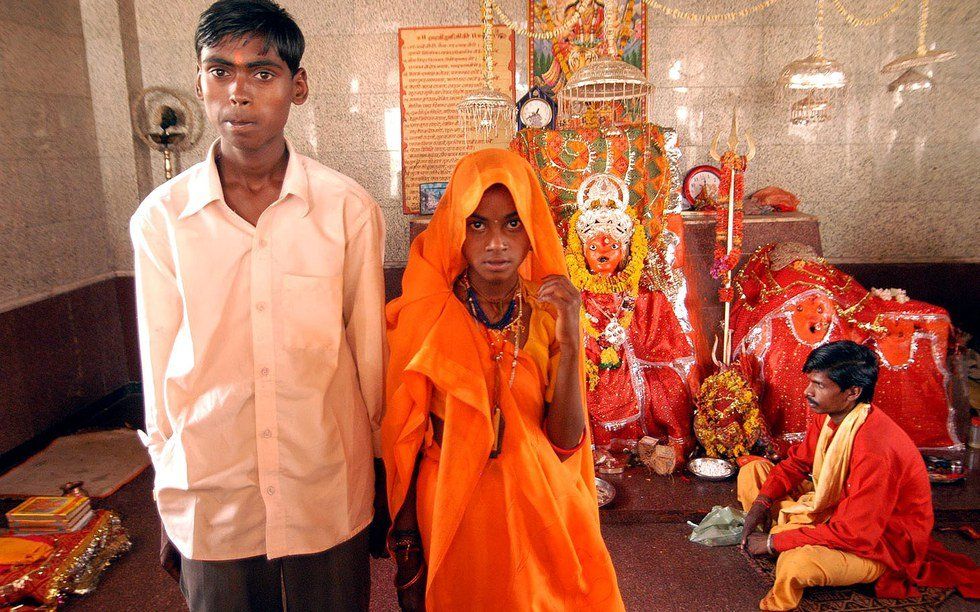
It's hard to believe that child marriage still occurs in the world today at a high rate, especially among young girls. The highest percentage of child marriages that occur are in the African country of Niger, where many villages are deeply grounded in religion and culture. In Niger, 36% of women are married by the age of 15 and 75% are married by the age of 18 (Unicef, the State of the World's Children, 2013). Young girls are having their fates decided for them by their parents and having their futures stripped away from them in an instant.
There are many reasons why child marriage is still practiced today, while culture has a strong influence on the dilemma, its not it's primary cause. Most of the families that force their young daughters into marriage are faced with financial difficulty. By marrying their daughters, families have one less mouth to feed and a dowry that will assist them with their financial dilemmas.
BBC World News is airing a four part documentary, Her Story: The Female Revolution, in which Balkissa Chaibou is featured in a portion of the documentary. BBC also published an article featuring Balkissa Chaibou, The girl who said 'no' to marriage, where Balkissa speaks about how her parents were forcing her to marry her cousin right after she graduated high school. Balkissa opposed the marriage, her mother agreed with her opposition, but as a women, she had no social status to speak up. Balkissa appealed to her father, but according to Niger tradition, the oldest brother of the family would control the children of his younger siblings. Being that the eldest brother of Balkissa's father was the father other betrothed, Balkissa's father refused to go against his brother's wishes. With the help of the Centre for Judicial Assistance and Civic Action, Balkissa took her father and uncle to court where her uncle denied the accusations and the case was dropped. When they returned home, Balkissa's uncle threatened to kill her and Balkissa hid in a women's shelter until the bridal party left. When Balkissa returned home, she went to college and attained her Internation Bachelor's Degree. Balkissa is now a role model for women and an advocate to end child marriage. She spoke at a UN summit about maternal mortality, a phenomenon linked to early marriage.
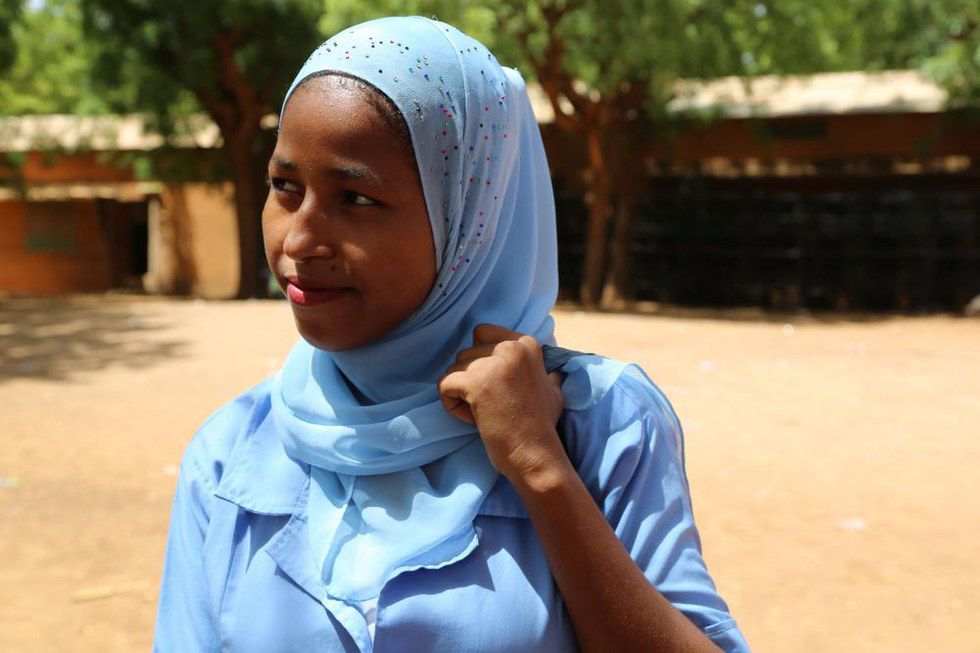
Jennifer Koons. Niger, 2014
Nowthis featured a video by Kafa Lebanon in which they paid two actors, a young girl and a man to walk around in bridal party attire. The video shows the reaction of people who saw them and aims to raise awareness of the thousands of the child marriages still occurring in the world today.
Video About Child Marriage In Lebanon Should Enrage YouChild marriage is still legal in 93 countries — and this video aims to put a stop to itChild marriage is still a serious problem plaguing our modern global society. While governments are attempting to end it, many of the countries where this practice is popular, often do not have the resources to pursue a campaign against child marriages. Resources and a louder voice is what the world needs to at least begin the end of an ancient and horrendous tradition.
Posted by NowThis on Tuesday, February 16, 2016