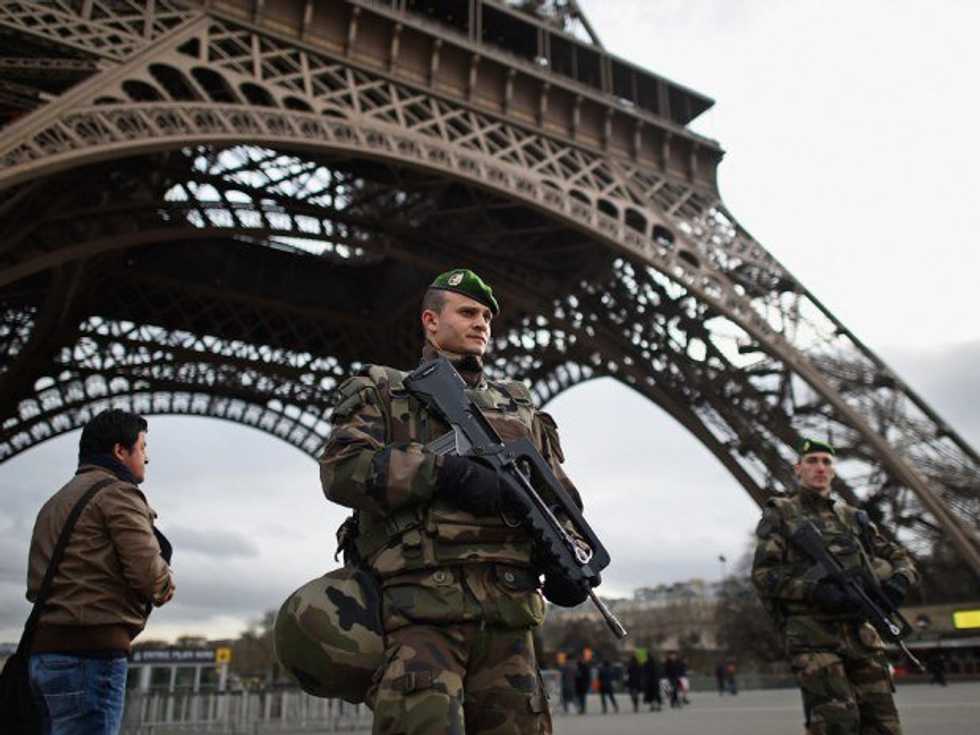
When any sort of tragedy occurs, our first instinct is to grieve. It isn’t the wrong instinct – whether it was personal or not, whether it affects us directly or not, something was lost. Someone. But following the tragedy in Paris, France, we need to be aware of what comes after the grieving, or, more accurately, what accompanies it. It is not a single step process, and it does not end with a moment’s thought and a change of our Facebook profiles. For the people of France, and for those around the world who face this kind of tragedy and loss every day, that luxury does not exist. As the dust clears, what directly follows the tragedy will shape the moment perhaps more tellingly than the event itself, and we have the ability to help mold it.
It is not the time to point fingers. Those fingers are needed to heal, to mend, and to comfort. The deed is done, and there is no taking it back. What there is room to do is move forward. Donate to relief funds. Reach out to anyone you may know personally involved in the tragedy. But consider another option – the way we spread the story. The most common narratives to follow terrorist attacks since 9/11 are filled to the brim with hate, anger, and accusatory words. We want someone held accountable, and because of this, we often lay blame where it is not earned. The anger gives way to prejudice, and the prejudice breeds fear and oppression for a people that are no less innocent than those originally targeted.
Tell a different narrative – not out of optimism, but out of respect and compassion for all those involved and all those who may still suffer. Share the stories of the people of Paris, the ones who opened their doors and hearts to total strangers who needed their aid and reassurance through what came to be known as Porte Ouverte. Let them tell their stories, and let the survivors bask in that humanity. Spotlight the vigils and the memorials to follow, not the anti-Muslim protests that will inevitably line the streets and disrupt them. And speak with hushed tones for all those who were lost, not shouts and slurs toward those who had no hand in causing their deaths.
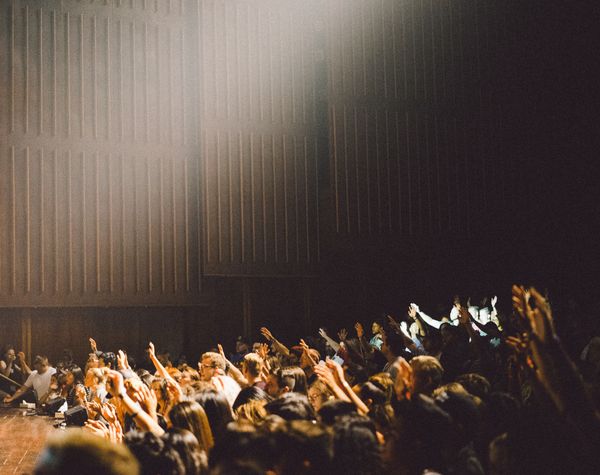
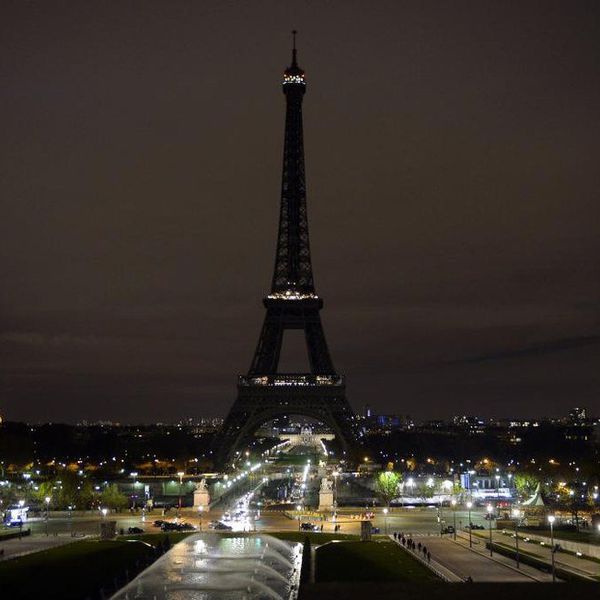
You have the ability, whether you are aware of it or not, to be a part of the story. There is no beauty in this tragedy, and there won’t be even when the streets of Paris are cleared and the Eiffel Tower’s darkness is but a memory. But there is humanity. There are hands open and offered in compassion and hope. In the days to come, it is important to remember that those hands should always be seen above the fists that raise in confusion, terror, and rage.