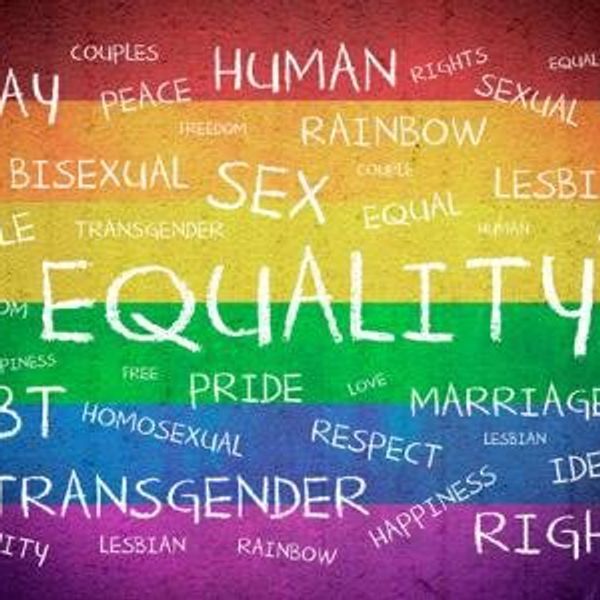

The year of 2015 was an exciting new chapter for the LGBT community as gay marriage was legalized for the countries of Ireland and The United States. Many people that day proposed to their beautiful companions, cried (mostly tears of joy) and cheered. The excitement continues on for the new year of 2016 because the south (I didn't stutter) will get their first LGBT private school.
Later this year, the city of Atlanta is going to be the first in the south to establish a private school for LGBT kids that feel like they’re not getting the support they need from either public or private schools.
Pride School Atlanta is a K-12 school that have a mission to provide LGBTQQIAA (Lesbian, Gay, Bisexual, Transgender/Transexual, Queer, Questioning, Intersex, Asexual Ally) students, families and educators a safe, fun and rigorous learning environment free of homophobia and transphobia- a place that honors their identities so they can be themselves, and find friends and mentors who can help them navigate the challenged of life and education.
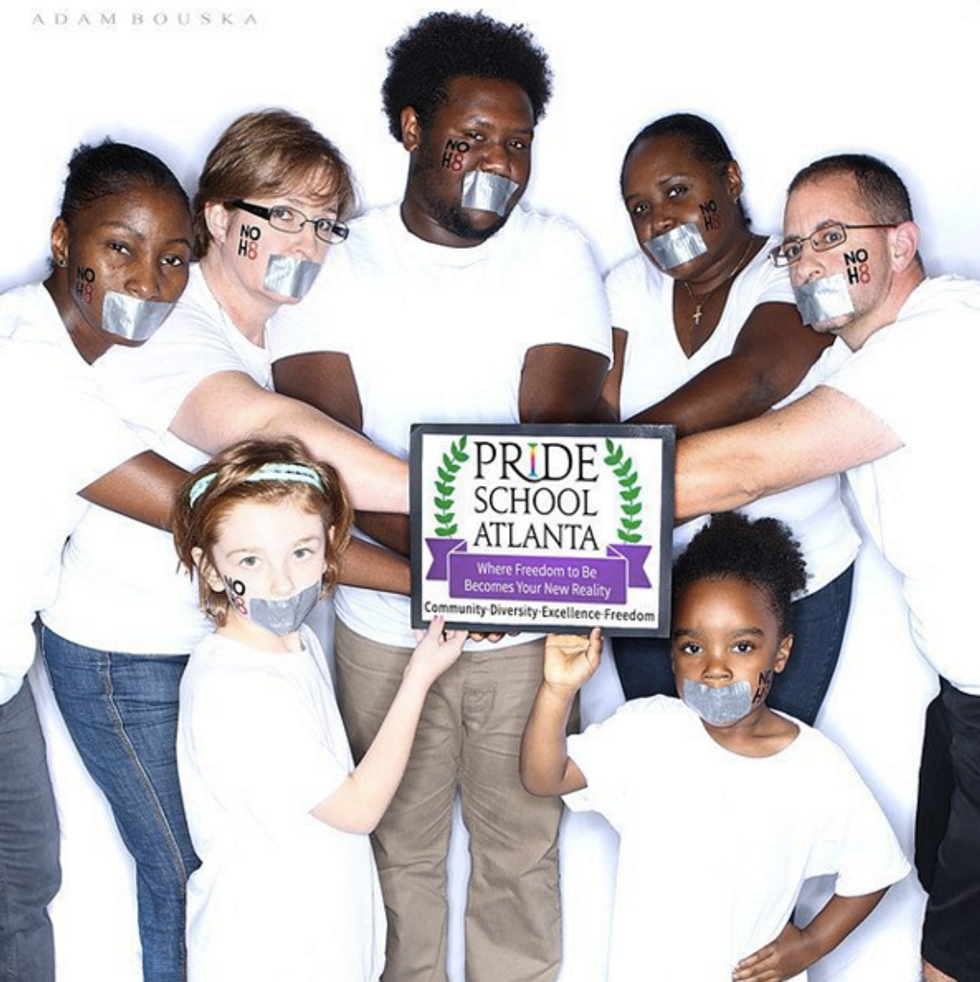
Pride School founder Christian Zsilavetz told AJC that “Kids have full permission to be themselves- as well as educators.” Zsilavetz has a background in teaching for almost 25 years and is openly transgender.
Unitarian Universalist Congregation of Atlanta church will be the host of Pride School, at the start of the institution. The cost of attendance will roughly be $13,000, but fortunately, Zsilavetz says financial assistance will be available to the students who need it.
Programs director, global and U.S. South for gay rights group GLAAD (Gay and Lesbain Alliance Against Defamation) Ross Murray says that numbers of kids from the south migrate to cities like New York because they will feel more accepted there. “They should be able to stay in their homes, their communities. I think having a school like this in Atlanta… it means it’s much more regionally connected.”
That all being said, the school does not exclude non-LGBT kids from being eligible to enroll in the institution. The point of their being an LGBT-specific school in the first place is so that the students that are LGBT will be able to learn and also have the comfort of knowing that they will have the support that is needed.
“I think right now what a lot of (LGBT) students face is a separate but equal education in the public schools,” Zsilavetz said. “Because if you can’t go to the bathroom all day and you can’t use the locker room and you’re bullied in the classroom and the teachers aren’t standing up for you, you don’t have a full seat at the table.”