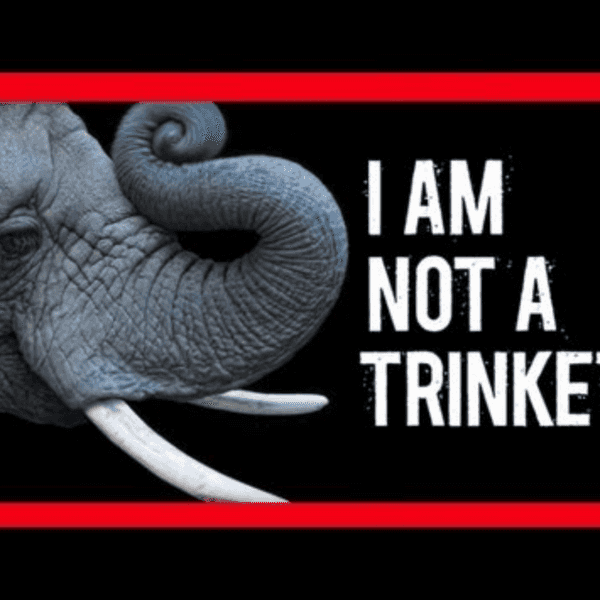

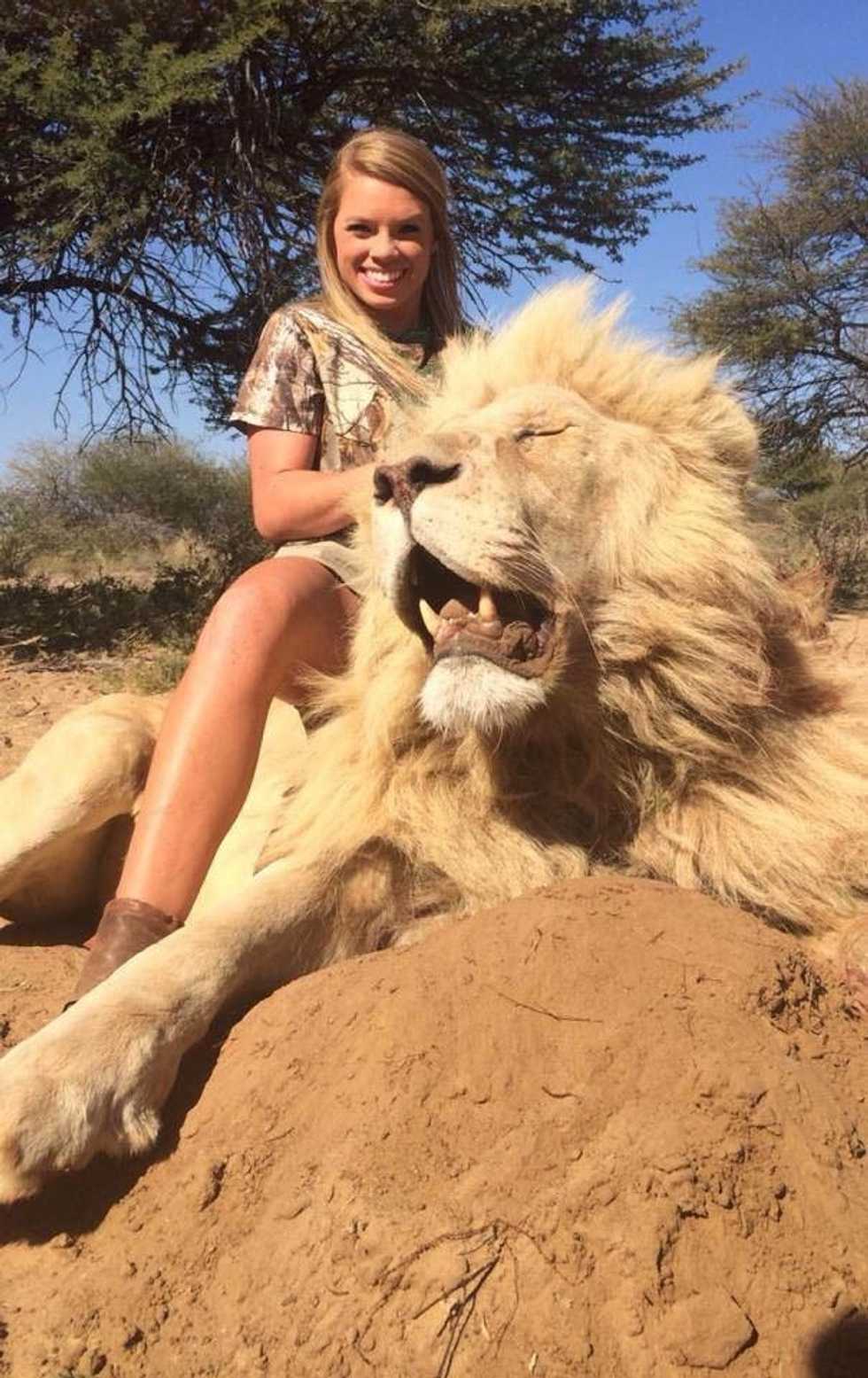
Trophy hunting, the act of paying to kill exotic, rare, or endangered animals for sport, has been in the news more and more lately. From that dentist in Minnesota killing Cecil the lion, to a viral Facebook post about a young girl who killed a giraffe, it seems like every few weeks I see a new article about someone killing an animal and the public outrage and hunters’ arguments that ensue. Being a hunter myself, I do see what good domestic hunting can do, keeping down populations of animals that would become nuisances if they weren’t hunted at all, the income it provides to conservation efforts by the Department of Environmental Conservation, and the culture it provides to small communities like that one I’m from. But, also being a huge conservationist, I was skeptical, as these animals are worth mind-blowing sums of money on the black market. I came into writing this article with an open mind, but looking at the facts, it was quickly closed; TROPHY HUNTING IS NOT OKAY. PERIOD. Here’s why:
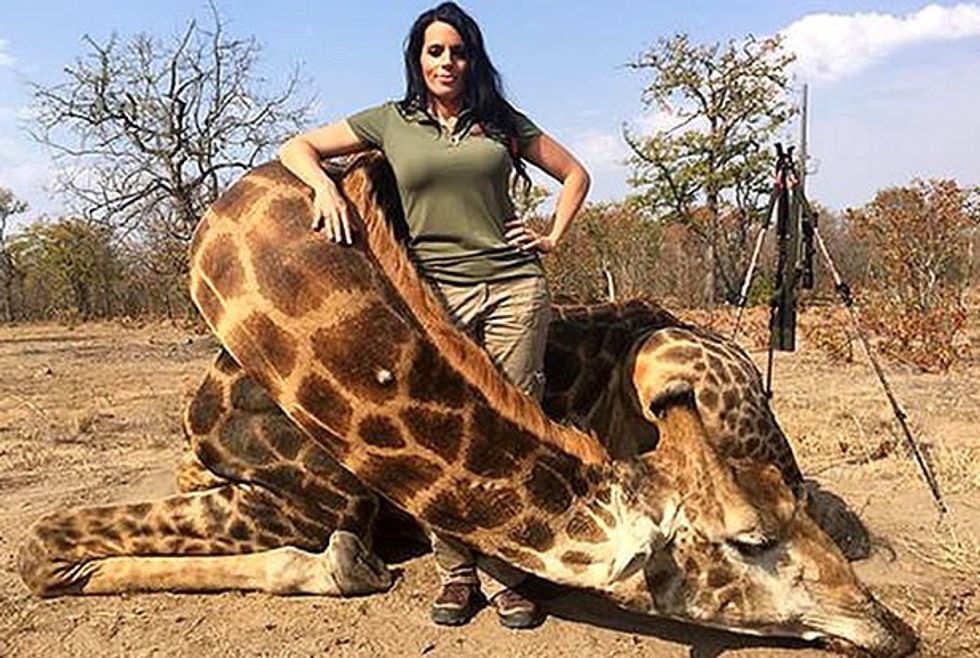
Here's the story of this hunt.
While when it is done correctly, legally, and cleanly, I’m sure trophy hunting of certain species does very much help the local conservation authorities. The costs of getting a permit to legally hunt these animals comes with a hefty price tag, in the hundreds of thousands. But much more often than not, this is not the case. The Endangered Species Act has provisions that allow the hunting of even the most endangered animals if it is done through legal channels. One of these animals was the West African Black Rhino which was on the list of huntable animals until recently…when it was declared extinct. There’s even a sort of challenge called the Big Five of Africa, where you pay hundreds of thousands of dollars to hunt five large, dangerous, and mostly endangered African animals. These are: African elephant (vulnerable), African Cape buffalo (not endangered), lion (vulnerable), leopard (vulnerable), rhinoceros (critically endangered). All of these animals are perfectly legal to hunt so long as they aren’t hunted on a nature preserve. But even that doesn’t stop hunters. Not all hunters are poachers however, they don’t hunt on the preserves. They just pay the owners of land next to the preserve a ton of money to hunt there, and lure the animals off the preserve with food or other means. This was the case with Cecil the lion. These landowners are often corrupt, doing whatever it takes to rake in the money from their rich clients. Also in the incident of Cecil, he was at first hunted with a crossbow, and though a crossbow definitely has the power to kill an animal his size, he was only wounded because the shooter wasn’t skilled enough to make a clean kill. He was then tracked for forty hours before he was found and finally put down. Forty. Hours. This kind of thing is completely unacceptable, and while this is just one case where some things went wrong (more than I’ve listed here), it happens more often than you’d think.
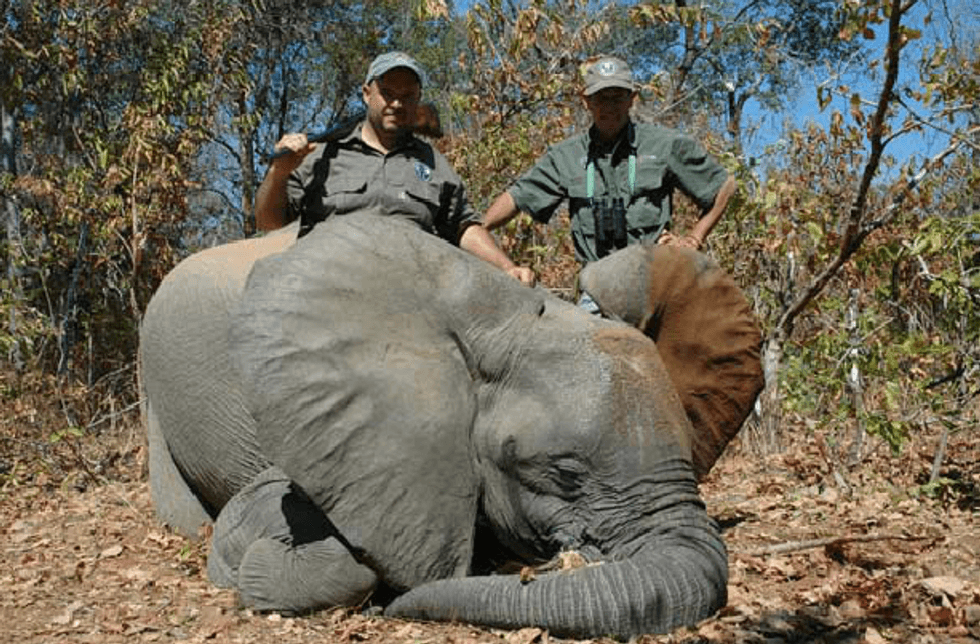
Nice article about hunting elephants
All-in-all I’ve found that trophy killing, while I admit it does do SOME good for conservation efforts, the harm it does to endangered species is not worth the cost. It’s just an elitist hobby that shows off how much money they have. If they want to help conservation why not, oh I don’t know, donate that $100,000 to the conservation organization that you claim you’re helping. This is not even close to comparable to what small town communities call hunting. It’s not like they spend night after night sitting in a tree stand waiting for an elephant to stroll by like my family has done with deer for years. The animals are lured out of their safe space and basically lined up for the hunter. These beautiful animals are best seen where they belong; in nature, not your mantle.